Chevron just made a major move in a country it has called home for more than a century.
The energy giant confirmed new agreements with Venezuela on Sept. 2 that open the door to billions in fresh investment and a sharp jump in oil output.
The deal comes as Chevron (CVX) shareholders are already digesting a strong second-quarter earnings report. Production hit records across multiple U.S. assets, and the company reduced debt by more than $8 billion.
Now, the 147-year-old energy behemoth is adding a new growth lever thousands of miles from the Permian Basin.
Here’s what investors need to know about Chevron’s expanded footprint in Venezuela, and why it matters for CVX stock going forward.
Chevron eyes new growth lever in Venezuela
Chevron said its joint ventures in Venezuela will invest more than $7 billion over the next five years under the updated agreements.
The goal is to more than double production to about 600,000 barrels a day compared to 2026 levels.
Part of that growth comes from new acreage.
- Chevron was assigned rights to develop the Carabobo 1 and Carabobo 2 South A areas in the Orinoco Belt, a region widely regarded as home to the largest proven crude oil reserves on the planet.
- The company said total production costs there run below $20 a barrel, a figure that makes the region attractive even in a lower-price environment.
- The new acreage builds on an April agreement in which Chevron raised its stake in the Petroindependencia joint venture to 49% and picked up rights to the Ayacucho 8 area.
- Combined, Chevron’s three Venezuelan joint ventures have grown production 15% so far this year.
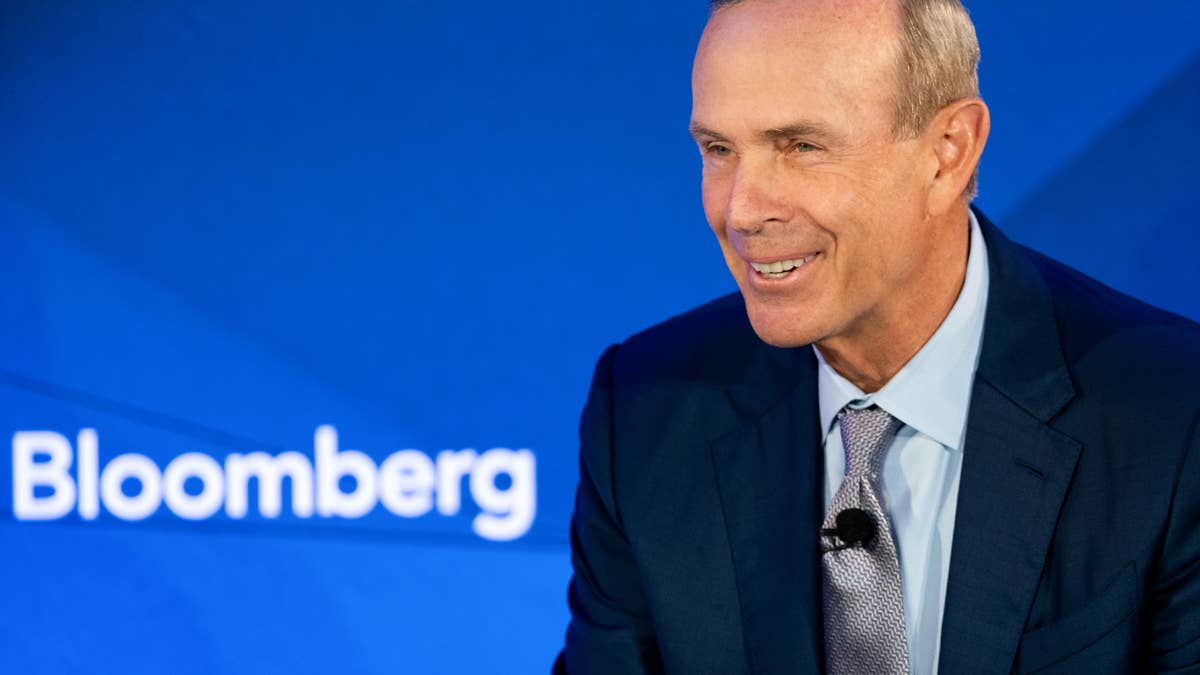
“Chevron’s history in Venezuela spans more than a century, and our expanded position reflects our confidence in the country’s deep resource potential and its ability to compete for investment within our portfolio for decades,” said CEO Mike Wirth.
Venezuela fits Chevron’s playbook
Chevron executives spent much of their second-quarter earnings call in July laying out how the company thinks about growth.
Rather than chasing an uptick in production, management said every option competes for capital based on returns and cost.
CFO Eimear Bonner addressed Venezuela directly on that call, noting the company had already grown output from its three joint ventures from 40,000 to 250,000 barrels a day in recent years. She said that momentum has continued.
Related: Chevron CEO evaluates new pipeline route around Strait of Hormuz
“With the existing model that we have in place, we have grown the production from those 3 JVs 15% over the last 6 months to 280,000 barrels of oil per day, and we’re anticipating that we will be able to grow up to 50% between now and the end of 2028,” Bonner told analysts on the call.
Management has repeatedly said it will stay disciplined on capital rather than grow at any cost, a lesson the industry learned the hard way during the shale boom, when heavy spending failed to generate free cash flow.
Venezuela, with its low production costs and now improved fiscal terms, appears to clear that bar.
What’s next for Chevron stock price
The recently confirmed Venezuela agreements add another data point for anyone modeling Chevron’s future cash flow.
The company is also recovering debt Venezuela owes it, which it expects to be fully repaid by early 2027, based on comments Bonner made on the earnings call.
More Oil & Gas:
- Goldman Sachs doubles down on oil price forecast for 2026
- Drivers lose control over gas price squeeze
- A big shift in the U.S. energy market is about to happen
Once that debt is cleared, the joint ventures shift toward the country’s new fiscal framework, potentially changing the economics further.
Chevron also credited U.S. government involvement in making the expansion possible.
“We appreciate the leadership of the Administration, particularly the U.S. Department of Energy, and Secretary Wright’s partnership in helping facilitate the conditions for further investment and growth,” Wirth said in the statement.
Venezuela is just one piece of a broader growth story Chevron laid out on its earnings call.
Wirth described a deep list of opportunities, from Guyana to the Eastern Mediterranean to West Africa, alongside newer bets such as the Kilby power project supplying Microsoft’s data centers in West Texas.
Venezuela stands out because of its resource depth and low costs, but Chevron has stressed it will only pursue growth that competes for capital against the rest of its global portfolio.
For now, the update gives investors a clearer picture of one of Chevron’s oldest and potentially most resource-rich assets, and a reason to watch how quickly the new investment translates into barrels and, eventually, cash flow.
Related: Chevron stock turns heads as company strikes fresh oil