Casual dining restaurants have to walk a tightrope when it comes to offering strong value and a good customer experience. Chili’s has succeeded in finding the right mix of price, value, and experience that keeps the chain affordable while differentiating it from fast-food and fast-casual chains.
“Chili’s was the unquestionable same-store sales champ in 2025, though this has set the brand up for some difficult comps periods,” Restaurant Dive reported. “…In its most recent quarter, that success was driven primarily by traffic growth, a remarkable feat at a time when many brands faced stagnant or reversing traffic.”
Other chains, including Red Lobster, Ruby Tuesday, and Applebee’s, have shrunk. On The Border filed Chapter 7 bankruptcy, and only a handful of franchised locations remain, while Bahama Breeze was shut down by Darden, its parent company.
Buffalo Wild Wings, another casual dining chain going after that same audience, has also been closing restaurants. It’s selective, and the chain has opened some new locations as well, but that’s cold comfort to people who watch their nearby location shut down.
Restaurants have struggled to copy Chili’s model
Chili’s success has been driven by its value offerings. That’s something Brinker CEO Kevin Hochman talked about during the Chili’s parents company’s fourth-quarter earnings call.
“Instead of using precious resources and investments on initiatives to drive short-term sales, we at Chili’s focus our resources for long-term sustainable growth. Improving food service and atmosphere and the team member experience, as well as positioning our brand to be more relevant, easy, and distinctive,” he said.
The chain’s efforts have allowed Chili’s to actually be cheaper than its rivals.
“These experience improvements coupled with our everyday value leadership represented by a per person average spend that is $3 to $4 below competition, are supporting a powerful flywheel of traffic, sales growth, margin expansion, and then reinvestment into our business,” he added.
More Restaurants:
- 52-year-old international restaurant chain closing all locations
- 46-year-old casual dining chain closes underperforming locations
- Classic burger chain has closed down all its restaurants
Rivals, including Buffalo Wild Wings, have struggled to find a similar mix of value and experience.
One of the major issues has been food and labor costs, which have increased by 35% in the last five years. Average menu prices also rose 31% from February 2020 to April 2025, according to the National Restaurant Association.
Those rising menu prices can discourage consumers from dining out, putting additional pressure on restaurant traffic and revenue at a time when many chains are already struggling to maintain customer visits.
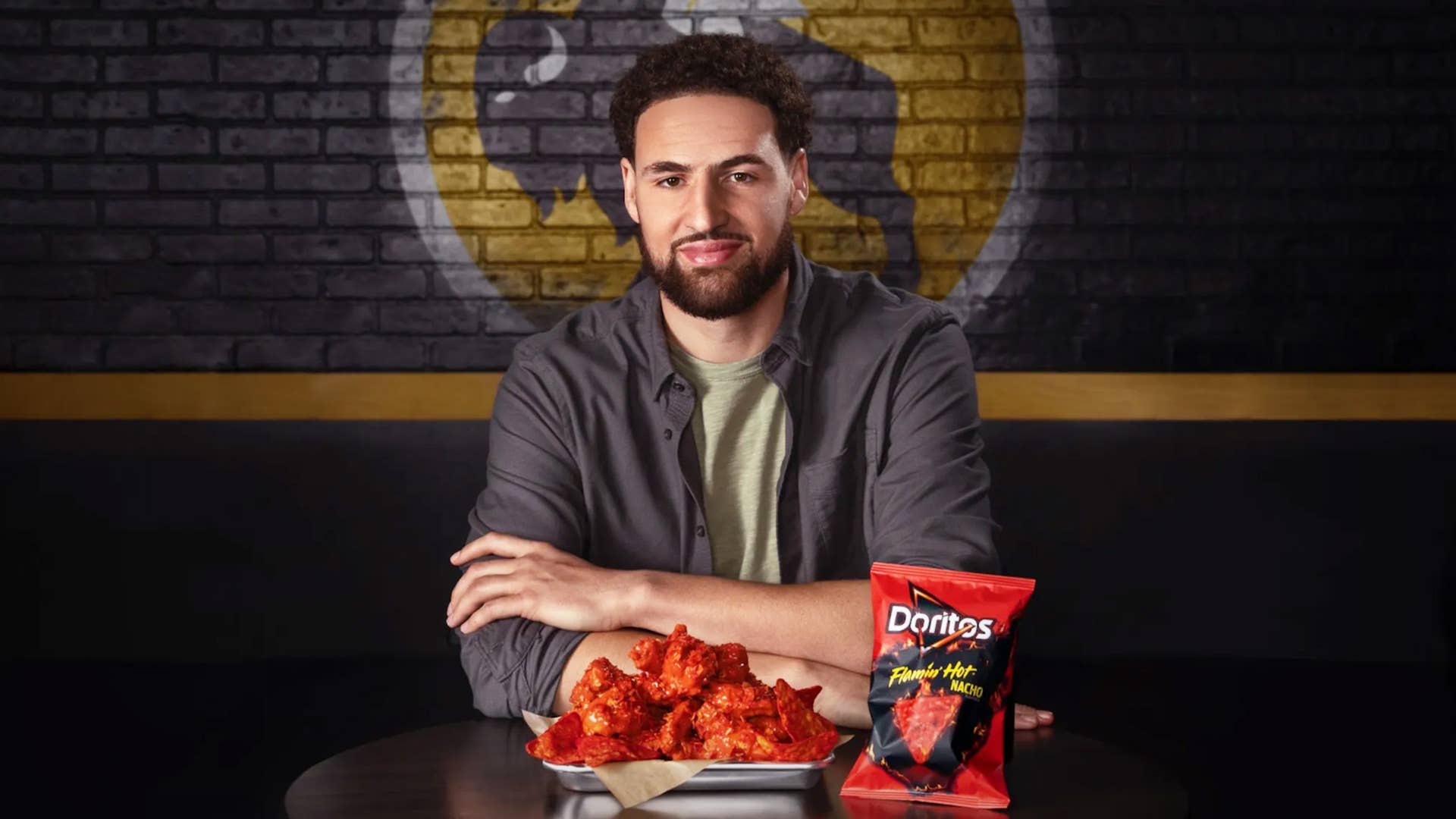
Buffalo Wild Wings
Buffalo Wild Wings closes more locations
Buffalo Wild Wings has a large national presence.
Founded in 1982 in Columbus, Ohio, B-Dubs, as some of its fans call it, has grown into the largest sports bar chain in the U.S. by systemwide sales, according to Nation’s Restaurant News.
The chain operates more than 1,400 locations nationwide, according to its store locator, maintaining a significant footprint despite recent store closures.
Inspire Brands, which also owns Arby’s and Dunkin’, is privately held, so it does not report closures, revenue, or any other numbers publicly. Some recent Buffalo Wild Wings restaurant shutdowns include:
- Ann Arbor, Michigan: Shut down on May 3, 2026, TheStreet reported.
- McHenry, Illinois: Closed April 2026, Shawn Local reported.
- Morris, Illinois: Closed March 2026 after 10 years, WCJNews shared.
- Crystal City, Virginia: Closed February 2026 after 15 years, according to ARLnow.
- Hicksville, New York: Closed January 2026 due to mall redevelopment, Greater Long Island confirmed.
Fast Company has also confirmed a number of other recent Buffalo Wild Wings closures.
- 1620 Saratoga Avenue, San Jose, CA
- 6314 E Pacific Coast Highway, Long Beach, CA
- 8350 W 80th Avenue, Arvada, CO
- 3333 Buford Drive, Buford, GA
- 10625 Pendleton Pike A12, Indianapolis, IN
- 2624 Iowa Street, Suite A, Lawrence, KS
A request for comment made to the email address for Buffalo Wild Wings’ public relations, as listed on the company’s website, was not answered.
Related: 49-year-old Napa Valley winery files Chapter 11 bankruptcy
Chili’s followed a turnaround formula
RTM Nexus CEO Dominick Miserandino thinks Chili’s has created a comeback recipe that can be duplicated.
“What saved Chili’s was brutally simple: Kevin Hochman stripped away the operational nonsense, brought back the core items people actually wanted, and went on an aggressive value offensive against overpriced fast food,” he shared with TheStreet.
Buffalo Wild Wings, however, does face a problem Chili’s does not — its core product, chicken wings, has traditionally been expensive.
Chicken wings aren’t currently at the record wholesale prices seen during the 2021-22 surge, but wing costs remain an important expense for restaurants. USDA data show a highly volatile wing market, while restaurant operators are simultaneously dealing with higher labor and operating costs.
Chicken costs are not currently high, but while Buffalo Wild Wings sells other proteins, the chain remains heavily impacted by volatility in the wings market. A historical SEC filing shows why wing prices have long been an important risk for the chain.
In a 2014 filing, Buffalo Wild Wings reported that chicken wings represented approximately 23% of its cost of sales in 2014, 25% in 2013, and 27% in 2012. The company estimated that a 10% increase in wing costs would have increased its 2014 cost of sales by about $9.5 million.
ALSO READ: 58-year-old casual restaurant chain closed 163 locations