Consumers never really think about how the products they buy every day actually make it to grocery store shelves. That changed during the Covid pandemic when basic staples like paper towels, ground beef, and many other items were not always available.
In some cases, it wasn’t just a supply chain issue, but a change in demand.
“More people are working remotely, so there’s more home consumption of food,” Krishnakumar Davey, president of client engagement at IRI, a market research firm, told Consumer Reports. Americans’ appetites have been particularly strong for sports drinks, vitamins, ready-to-drink tea, coffee, and convenience meals, including frozen breakfasts and frozen snacks, IRI research shows. “They just want to quickly put something in the microwave to fix a meal,” Davey says.
For many Americans, aside from extreme weather situations, the pandemic-era shortages were the first time they experienced going to a grocery store and not finding what they wanted.
That period, while it eventually ended, led to a number of bankruptcies that impacted grocery stores, including a major Chapter 11 filing by Del Monte Brands. Now, a lesser-known, but still key grocery and restaurant supplier, Potato Specialty Company, has filed for Chapter 7 bankruptcy.
Potato Specialty filed Chapter 7 bankruptcy
Few consumers think about how potatoes get from the fields to grocery shelves and restaurants, unless they have a scenario where they can’t get the products they’re used to ordering.
That’s actually something Burger King and McDonald’s had to deal with in 2022 during a short-term potato shortage.
During that period, McDonald’s stopped selling its large fries in some countries while Burger King introduced a French fry alternative.
More Bankruptcy:
- Classic comfort food chain forced into Chapter 11 bankruptcy
- Another award-winning beer brand files for Chapter 11 bankruptcy
- After bankruptcy, Hooters closes restaurants, fights for survival
“To combat that issue, Burger King has decided to do its best to recreate the French fry experience in its restaurants in Japan by offering what it calls its ‘almost-potato set,’ a burger with a side of crunchy ramen noodles,” the South China Morning Post reported.
It’s unclear whether the Chapter 7 bankruptcy filing by Potato Specialty Company will cause any supply chain disruption, but the company sold “a wide variety of refrigerated, frozen, and dry products” to its customers, while “specializing in fresh produce,” according to its website.
Potato Specialty Company Chapter 7 bankruptcy facts:
While it’s not a household brand name like Del Monte, the Potato Specialty Company was a key grocery and restaurant supplier.
“The company maintains a broad base of national account contracts, multi-unit establishments, and a team of ‘Street’ account executives supported with quality and services which normally surpass customer expectations. Products are constantly monitored for freshness and temperature consistency from the time they are received until the time they are delivered to the customer,” the company shared on its website.
The Potato Specialty Company has ceased all operations after filing for Chapter 7 bankruptcy.
- Potato Specialty Company filed for Chapter 7 bankruptcy liquidation on April 28, 2026, in the U.S. Bankruptcy Court for the Northern District of Texas, ending operations rather than restructuring, according to PacerMonitor.
- The case is listed under docket number 5:26-bk-50149 and reflects a voluntary corporate liquidation proceeding, added PacerMonitor.
- Blue Book Services reported the filing and described it as a Chapter 7 liquidation involving a regional produce and foodservice distributor.
- According to court documents filed on PacerMonitor, the company reports between 50 and 99 creditors. Estimated assets range from $1,000,000 to $10 million, and liabilities are reported between $1,000,000 to $10 million.
- The company operated as a West Texas-based foodservice distributor supplying produce and broadline grocery items across the region, according to its website.
- The case is significant in the produce distribution sector because unpaid supplier claims may fall under PACA (Perishable Agricultural Commodities Act), which prioritizes produce creditors in bankruptcy proceedings, according to the U.S. government.
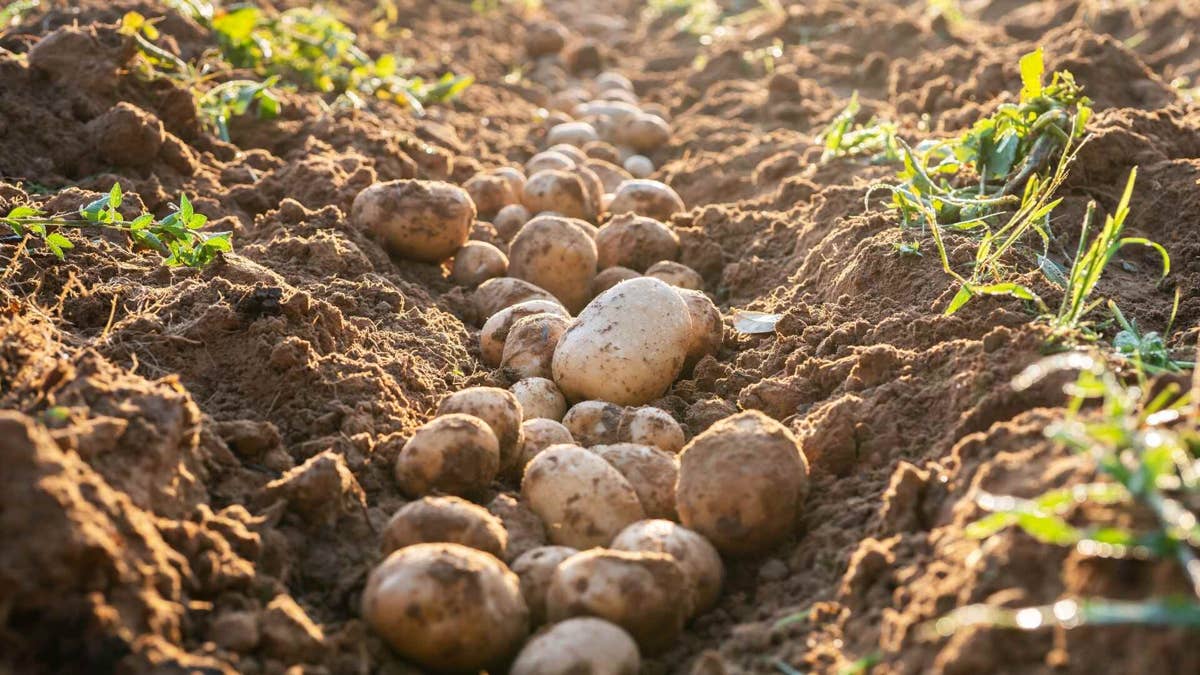
Shutterstock
What is PACA?
The Perishable Agricultural Commodities Act (PACA) gives farmers certain rights.
“The Perishable Agricultural Commodities Act (PACA) was enacted at the request of the fruit and vegetable industry to promote fair trade in the industry. PACA protects businesses dealing in fresh and frozen fruits and vegetables by establishing and enforcing a code of fair business practices and by helping companies resolve business disputes,” according to the U.S. Department of Agriculture.
Under PACA, produce shipments must be paid for in 30 days, although different terms can be negotiated.
“The PACA does allow for flexibility in the way a seller and buyer can work together to resolve payment issues. However, sellers need to ensure that they don’t unintentionally forfeit their status as a trust beneficiary when trying to work with a buyer who is unable to make full payment in accordance with the original contract terms,” according to the USDA.
Potato Specialty Company will be liquidated under Chapter 7 bankruptcy. The company has not made any public comment on the status of its unsold and/or unharvested inventory.
Related: Major fresh meal-kit supplier files bankruptcy, plans 800-plus job cuts