Berkshire Hathaway (BRK.B) is back, but not in the way you think. For a long time, the iconic asset manager did not do buybacks. Now, it’s changing course yet again and is focusing on buybacks once more. Greg Abel, the new CEO, is leading the charge with a multimillion-dollar purchase of his own.
And the timing could not be better.
The reason is simple. Investors have been asking a fundamental yet basic question ever since Warren Buffett decided to step back from the podium. What’s going to happen with all the cash that has been accumulated?
Berkshire resumed buying back its stock on March 4, its first buybacks since May 2024. The timing is important because Berkshire had $373.3 billion in cash, cash equivalents, and U.S. Treasury bills at the end of 2025. The amount is so large it has become a key point of discussion about the company’s investments.
Berkshire’s market value stands near $1.08 trillion; that means even a small repurchase program sends a large, big red capital-allocation signal.
And Abel is putting his capital behind the thesis. He ended up purchasing 21 Berkshire Class A shares for about $14.6 million, which translates to the after-tax value of his $25 million salary. The move, a significant one, lifts his holdings to 249 Class A shares worth roughly $187 million.
For a while now, investors have been asking the question of whether Abel is simply a stand-in. Warren is getting on in age, and he cannot support the operations, so he brought someone in to manage the affairs just like he did, without any major difference.
For investors who were unsure if Berkshire’s new CEO would stick to Buffett’s playbook or make more public moves, the answer is crystal clear. Abel isn’t just talking about the stock: he’s backing it up.
“Our shareholders are owners, use their after-tax dollars to buy Berkshire, I’ll do the same,” Abel said on the occasion.
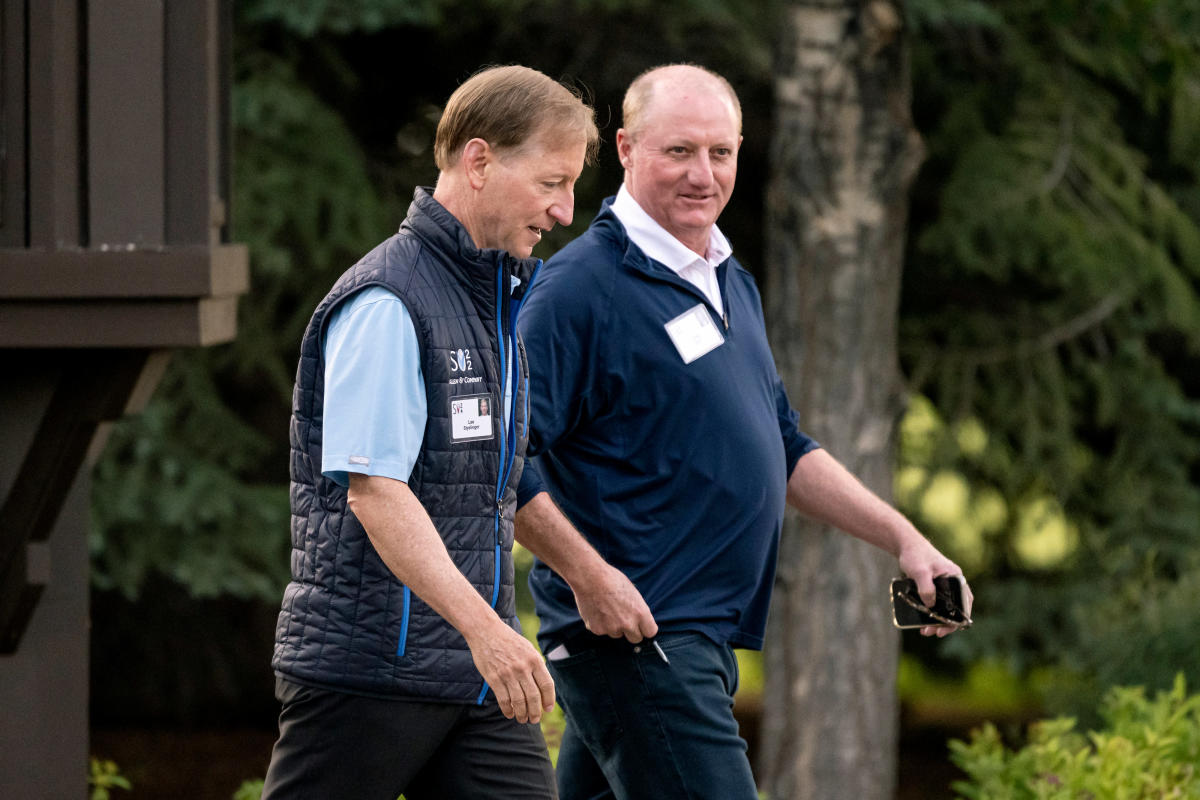
Berkshire Hathaway buybacks put its giant cash pile back in focus
For Berkshire Hathaway, buybacks are not part of the same old clichéd routine, as they are strategically employed to enhance shareholder value and optimize the use of excess cash rather than simply following market trends.
More Wall Street
- Billionaire Dalio sends 2-words on Fed pick Warsh
- Top analyst bets these stocks will boost your portfolio in 2026
- Bank of America sends quiet warning to stock market investors
As a result, buybacks are never just a run-of-the-mill capital-return tool. The company does not pay a dividend, so the buybacks are closely watched by investors. These buybacks are perhaps the biggest indication that the intrinsic value of a share is above the market value, which means the pricing is off, and an opportunity exists.
Related: Buffett leaves, and Berkshire investors waste no time reacting
Abel told CNBC that Berkshire buys back shares when that gap exists and when the move can create long-term value for shareholders.
The restart is more important because of the balance sheet. Berkshire made $46 billion in net cash flow from its operations in 2025. Its operating earnings were $44.5 billion. That was less than the $47.4 billion it made in 2024, but it was still more than Berkshire’s five-year average of $37.5 billion. In other words, Berkshire is still generating cash at a huge rate even without making a major acquisition.
As a result, investors are focusing so much on capital deployment. Berkshire’s annual report also says there were no share repurchases in 2025. It also said, importantly, that it will not repurchase stock if doing so will cut down consolidated cash, cash equivalents, and Treasury bill holdings below $30 billion.
That goes to show how conservative the company is playing as Abel restarts buybacks.
There is also useful historical context here. In 2024, Berkshire bought back $9.2 billion of stock, and its peak year for buybacks was 2021, when it bought back $27 billion altogether.
So the current restart does matter slightly less because of immediate size and more because of what it says about Abel’s willingness to act, particularly in the context of Berkshire’s significant buyback history, which indicates a strategic approach to capital allocation and shareholder value enhancement over time.
Berkshire Hathaway by the numbers
- $373.3 billion: Berkshire’s year-end cash pile.
- $44.5 billion: 2025 operating earnings.
- $46 billion: 2025 operating cash flow.
- $14.6 million: Value of Abel’s March 4 stock purchase.
- $187 million: Approximate value of Abel’s Berkshire stake after the purchase.
- $27 billion: Berkshire’s peak annual buybacks in 2021.
The buyback signal is important to investors because it affects Berkshire’s stock portfolio. Berkshire had $297.8 billion in equity securities at the end of the last fiscal year. About 65% of that value was in just five companies.
American Express, Apple, Bank of America, Coca-Cola, and Chevron are the five. That concentration helps explain why buying Berkshire itself can look attractive when management sees fewer compelling outside opportunities.
Related: Berkshire CEO will get a salary Buffett refused for decades
The move also comes after a weakening in overall performance. That Berkshire’s stock had dropped more than 27 percentage points since Buffett announced his retirement. Berkshire shares also experienced their largest one-day drop since that news, as some investors were dissatisfied with the company’s recent earnings. That background makes Abel’s first visible move to allocate capital more than just a symbol. It’s also an effort to boost confidence.
Berkshire still faces real pressure beyond buybacks
The good news story doesn’t make Berkshire Hathaway’s troubles go away.
The lawsuit in Oregon against Berkshire’s utility, PacifiCorp, is a major concern. S&P Global said that expenses from wildfires may make PacifiCorp’s credit rating drop to junk status. The utility might lose roughly $50 billion, with $1 billion already paid out and prospective payments of up to $48 billion. PacifiCorp agreed to pay $575 million in February to resolve claims from the U.S. government for damages caused by six wildfires in Oregon and California.
Related: Warren Buffett Turns 85: What He Wants in a Successor
Berkshire’s own annual report explains why such loans are essential for the company’s finances. It predicts that by the end of 2025, Berkshire Hathaway Energy will have borrowed around $59.3 billion. In 2026, Berkshire Hathaway Energy and BNSF also plan to invest nearly $15 billion on capex.
That implies Abel is taking over a firm that has a lot of money but also needs a lot of money for its upcoming investments and has a lot of legal problems in important parts of the business, which could complicate its financial stability.
He also gets a portfolio of legacy assets that still need time, including investments that may not pay off right now but are predicted to grow in value over time.
Abel said that Berkshire did not aim to sell its 27.5% share in Kraft Heinz right away. Berkshire’s annual report verifies the ownership level and reveals that the investment’s carrying value declined dramatically from year to year.
What investors should watch next at Berkshire
- Whether first-quarter results show a meaningful dollar amount of buybacks.
- Whether Abel keeps buying Berkshire shares with his own money.
- Whether Berkshire’s cash pile starts to shrink from the $373.3 billion level.
- Whether operating earnings move back toward 2024’s $47.4 billion.
- Whether Berkshire stock starts closing its recent gap versus the S&P 500.
Berkshire buybacks timeline
- March 4, 2026: Berkshire restarted buybacks, and Abel bought about $14.6 million of Class A shares.
- 2021: Berkshire’s annual buybacks hit a record $27 billion.
- 2023: Berkshire repurchased $9.2 billion of stock.
- 2025: Berkshire reported no share repurchases for the full year.
Related: Greg Abel sends blunt message on Berkshire’s $370 billion cash pile