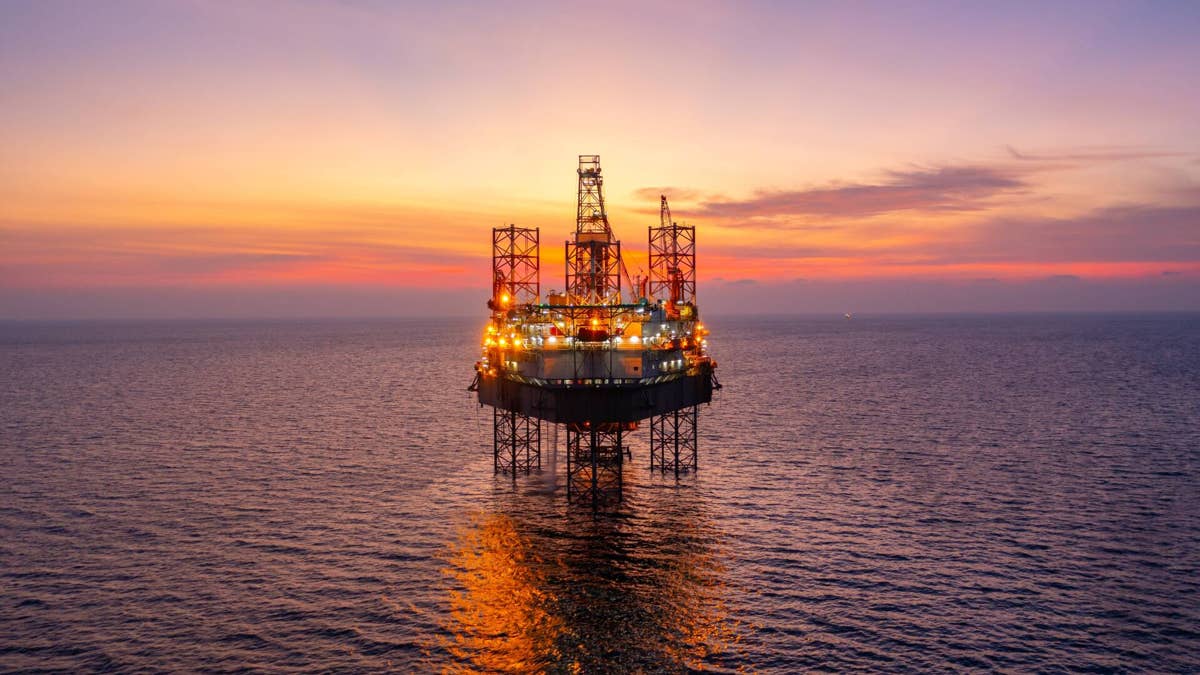
Despite some upticks whenever there is talk of progress on reopening the Strait of Hormuz, oil and subsequently jet fuel prices remain at highs unseen in years due to severe disruption to global passage and trade.
As of April 2026, oil prices in the U.S. continue to hover at around $100 a barrel which poses a paritcular problem for airlines that need jet fuel to stay operational.
Airlines such as Delta, Air Canada, KLM and Lufthansa have all canceled less popular routes to optimize jet fuel use while the latter carrier also shut down its regional airline CityLine a year earlier than initially anticipated.
“Yields need to increase by about 15% to 20%”: Scott Kirby
The latest airline chief executive to sound the alarm on jet fuel prices is United Airlines’ Scott Kirby. In an Apr. 22 appearance on CNBC’s “Squawk Box”, Kirby said that the airline could raise prices on summer fares by as much as 20% to make up for the rising cost of jet fuel.
“Yields need to increase by about 15% to 20%,” Kirby said to CNBC’s Phil LeBeau when talking about the airline’s margins while adding that the offset will need to take place “as quickly as possible.”
Related: Low-cost airline CEO gives stark warning about jet fuel
In a separate Wednesday earnings call in which United confirmed that jet fuel costs rose by more than $340 million, Kirby also said that fluctuation in oil is not likely to bring down airfare prices.
With the airline also cutting certain unprofitable routes, fewer seats on the market is another factor that ultimately drives up airfare.
Kirby says high airfare prices “likely to stick”
“I think the longer the price of fuel remains in this range, and the longer consumers pay these prices — and airlines get used to this revenue stream — the more likely it is to stick,” United Chief Commercial Officer Andrew Nocella also said to analysts on Wednesday.
Although reporting higher profits than a year ago despite the oil crisis, United Airlines cut its full-year earnings outlook from $11 to $7 per share over the current situation.
More Travel News:
- Airline to launch unusual new flight to Cayman Islands from the U.S.
- What you can expect at Disneyland’s new ‘World of Frozen’
- Unexpected country is most luxurious travel destination for 2026
- U.S. government issues strange warning on Ireland travel
Larger airlines generally have more resources and different revenue streams to withstand ebbs in oil prices better than low-cost carriers.
Delta Air Lines has previously estimated that an oil price increase of just one cent per gallon will raise its fuel costs by $40 million by the end of 2026 and since cut approximately 3.5% of its summer network to optimize the most profitable routes.
Spirit Airlines, which was already in a financial situation that led to it filing for a second Chapter 11 bankruptcy in August 2025, is currently requesting emergency federal funding to not collapse under such a dramatic spike in oil prices.
Other low-cost airlines such as Southwest and JetBlue have both raised the price of checked baggage to offset the higher costs; as the first airline to set off a domino effect among competitors, JetBlue cited “rising operating costs” and efforts to not raise base fares as the reason it was going for the baggage prices.
Related: Another airline shuts down for summer, cancels all flights