Fidelity is drawing attention to a wave of scams expected to cost consumers more than $15 billion, using real cases to show how these attacks unfold. In one example, retired social worker Karen lost $3,600 in just 20 minutes after responding to what appeared to be a routine bank alert.
Despite prior warnings, the speed and realism of the interaction led to her costly mistake. Karen later recovered only a fraction of the funds. Her experience was shared during a recent Fidelity discussion with Sean Downey, the financial services firm’s head of cyber defense.
He highlighted how modern fraud schemes rely less on technical complexity and more on timing, urgency, and human response.
The one habit Sean Downey says would have saved scam victim’s $3,600
Karen received a text that looked exactly like a bank fraud alert, asking whether she had just wired $1,700 to a stranger named David. She replied no, following the message instructions, then dialed the number that appeared next to reach what she thought was a real bank representative.
Downey described what went wrong on the firm’s “Money Unscripted” podcast during an interview with host Ally Donnelly. The scammers got the victim to share her screen, giving them a live window into all her financial accounts at once.
Downey called that missing pause the most protective habit any saver has, and he said it is the defense that does not rely on technology. He said the habit works because every fraudster needs a reacting target, and a 30-second delay will reliably disrupt the script running against you.
Scammers use 20-minute window to do real financial damage
Consumers reported losing more than $12.5 billion to fraud during 2024, a 25% jump over the prior year, according to the Federal Trade Commission. Downey said 2025 projections push the total above $15 billion, and he argued the speed of each individual scam is why dollar losses keep climbing.
Criminal groups can send up to 100,000 scam texts daily, Downey said, which means one will hit your phone during a rushed, unfocused moment. The scripts are engineered to compress the victim’s decision window because once a target starts replying, the conversation begins to tilt in the criminal’s favor.
“The text messages from our bank to verify transactions are generated by the bank’s electronic fraud controls, not by humans, so an immediate follow-up call from the bank is a bright red flag of a scam attempt,” said Kathy Stokes, director of fraud prevention programs with the AARP Fraud Watch Network.
Downey said the fraudster who called Karen back was patient and polite, even offering to try again later, which is why the call felt convincing. That posture was not kindness, he explained on the podcast, but a deliberate trust-building tactic borrowed from the same playbook ransomware crews run professionally.
Ransomware groups even offer customer service to the corporations they hit, Downey said, walking executives through paying the ransom and recovering their encrypted files. The same business logic shapes scripts targeting individuals because criminals depend on appearing trustworthy long enough for the transaction to clear with the bank.
Downey named four attack channels now in use.
- Phishing via email
- Smishing via text
- Vishing via voice calls
- Quishing via fake QR codes
Each channel reaches you through a different moment of distraction, he said, so the same protective pause applies, regardless of how a scam first arrives.
“I wish I had taken a breath,” Karen said on the podcast, describing herself as reactive and stressed by the urgency of the fake text.
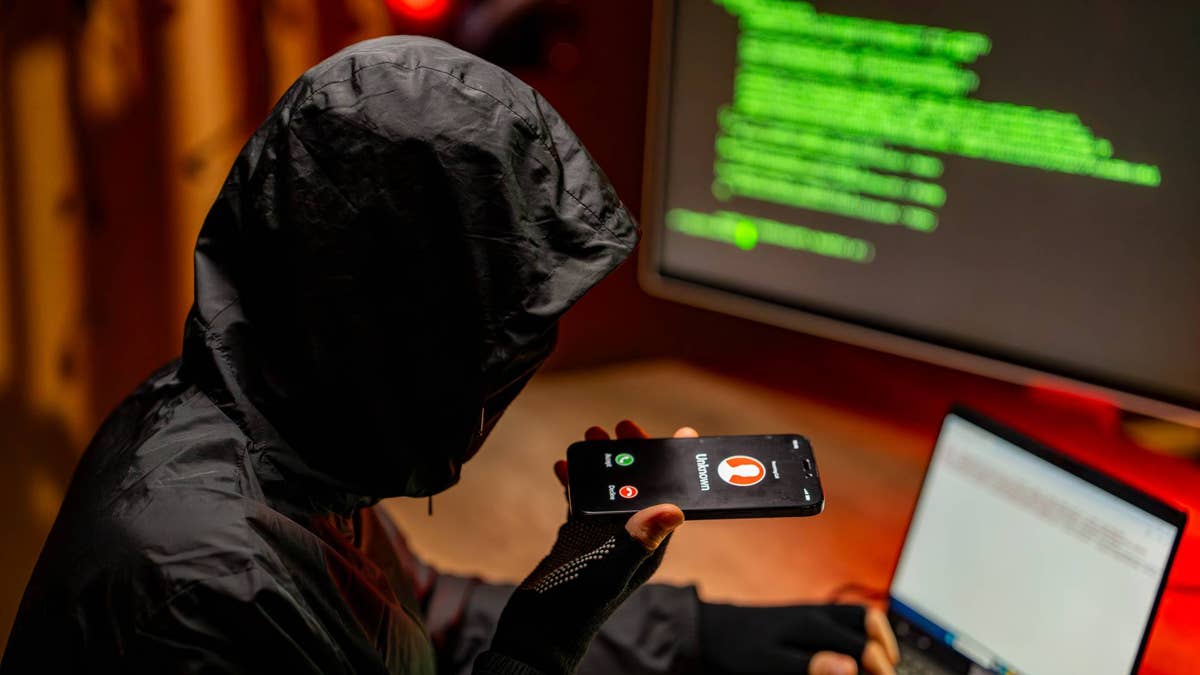
Fidelity’s cyber chief shares how to handle scam calls
Downey’s core recommendation is narrow and specific, and he framed it the same way in every scenario Ally Donnelly raised during their long conversation. If a message triggers any sense of urgency at all, Downey said, hang up or put the phone down before replying to anything further in the thread.
He said savers who believe they would never fall for a scam are often the most exposed, because confidence quietly shortens the protective pause. More than half of reported fraud victims are now under age 60, Downey noted, and that number continues to climb alongside total dollar losses each year.
More Personal Finance:
- Fidelity has a warning for anyone who left a 401(k) at an old job
- Living trusts: what they do and who needs one
- Fidelity sounds alarm on 401(k)s, IRAs
If the message claims to come from a bank or brokerage, hang up and call the institution directly using the number printed on the card. That single redirect breaks the scripted flow criminals rely on, Downey said, because the scammers cannot impersonate the fraud line at your actual bank.
For families worried about voice-cloning scams targeting grandparents, Downey recommended setting up a simple code word every household member knows and can quickly verify. Scammers can clone a child’s voice from a social clip, he said, so agreeing on a shared phrase defeats panic in any emergency money request.
What scam victim Karen wants other savers to take from her $3,600 lesson
Karen’s experience reflects how quickly modern scams can unfold and why they continue to scale. The common thread across the examples Fidelity highlights is not a lack of knowledge. Instead, the issue is timing, specifically moments when urgency overrides caution.
As fraud tactics evolve across texts, calls, emails, and even QR codes, the challenge for individuals is less about spotting a single red flag and more about recognizing patterns of pressure and interruption. At the same time, recovery outcomes remain inconsistent, underscoring the broader reality that prevention and response systems have not kept pace with these attacks.
Stories like Karen’s illustrate both the financial and emotional impact, but they also contribute to a better understanding of how these schemes operate.