With jet fuel prices continuing to sit at historic highs amid the war in Iran and closure of the Strait of Hormuz, almost all airlines have had to adjust their flying networks and make changes to adapt.
Larger ones like Delta, Lufthansa and Air France have all collectively cut hundreds of flights to prioritize the most high-traffic routes while Spirit Airlines was dealt the final blow and the beleaguered airline was forced to shut down operations for good after two earlier bankruptcies after being unable to cover such dramatic price spikes.
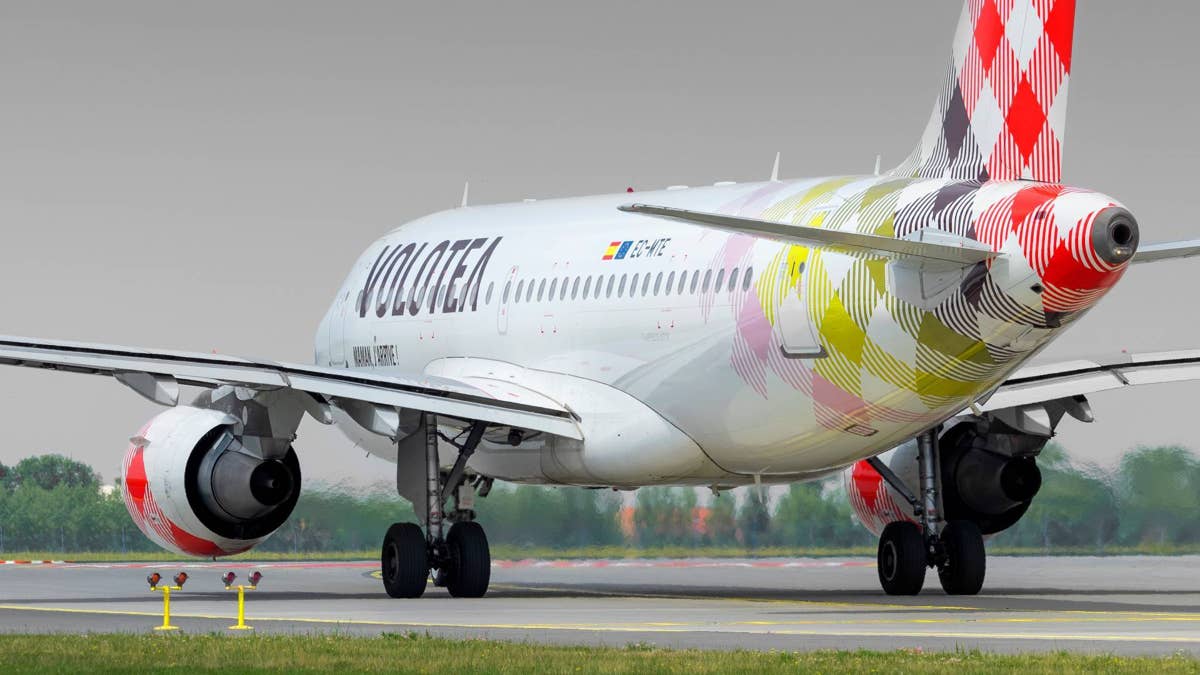
U.S. airlines such as JetBlue, American Airlines and United Airlines have all raised the cost of checked bags earlier this spring while Spanish low-cost airline Volotea attempted the particularly bold move of adding a fuel surcharge to tickets that passengers already booked.
Airlines cannot add fuel surcharges in reverse, EU commission clarifies
By mid-April, some travelers with booked flights on the Barcelona-based airline reported receiving an email with a link to pay between €7 to €15 for “the change in the cost of jet fuel given the current situation in the Middle East.”
The airline fell back on an obscure section of its contract of carriage which states that the airline may add post-purchase fees in the event of “extraordinary fluctuations” in fuel prices. The move proven incredibly unpopular as hundreds of travelers who received the link started calling out the airline on social media.
Related: One airline is adding a fuel surcharge in reverse
With many also filing complaints with the European Commission, the agency in charge of upholding legislation across member countries clarified that fuel surcharge fees cannot be added in reverse.
Shutterstock
“A fuel surcharge to a ticket after it had been bought cannot be justified”: EU Commission
“Anyone selling air tickets must always display the final price the passenger will pay,” the commission wrote in a note on May 8. “This includes all unavoidable and foreseeable taxes, fees, and charges. Adding a fuel surcharge to a ticket after it has been bought cannot be justified.”
The commission further clarified that passengers that those who already paid for a fuel surcharge may be entitled to reimbursement. Volotea could not be reached for comment on the fuel surcharges it has been making passengers pay but previously tried to claim that it reviews fuel prices seven days before departure and either adds a fee if they rise or stay the same or refunds it should they drop.
More Travel News:
- Airline to launch unusual new flight to Cayman Islands from the U.S.
- What you can expect at Disneyland’s new ‘World of Frozen’
- Unexpected country is most luxurious travel destination for 2026
- U.S. government issues strange warning on Ireland travel
The EU clarification does not question carriers’ rights to introduce post-purchase fees in “extraordinary circumstances” but states that high prices alone do not classify as an emergency for these purposes.
“There is a difference between high jet fuel prices and a shortage of fuel,” a commission spokesperson said further in a statement. “It is for the airlines to manage price volatility.”
The clarified guidance prevents both Volotea and other airlines from introducing similar surcharges going forward; in the U.S., the Department of Transportation also clearly states that “the airline is prohibited from increasing the price of the ticket or requiring the passenger to pay additional money unless the airline provided notice to the consumer of the potential for an increase in a government-imposed tax or fee and obtained the consumer’s consent.”
Related: Another airline cancels flights until September, refunds available