TheStreet aims to feature only the best products and services. If you buy something via one of our links, we may earn a commission.
Power outages are a part of life, and although we’ve all experienced one at some point or another, they still always manage to surprise us when they do take effect. Even when you’re prepared with flashlights and candles, their unavoidable and unplanned nature always makes the situation more chaotic. In times when the weather is already super severe, like during a heatwave in the summer or a freezing snowstorm in the winter, your home can quickly become uncomfortable temperature-wise as the thermostat creeps up or drops down. Don’t even get us started on all the ways your home seems to fall apart as soon as that electricity goes out.
The thermostat is the least concerning of all the issues that arise. With no electricity, a fridge or freezer full of grocery items can quickly go bad. According to the federal government’s Food Safety website, refrigerated food is safe for only up to four hours without power if you keep the door closed, but perishables like meat, dairy, and leftovers need to be tossed after only two. And a full freezer can last only 48 hours without power before everything in it is unusable. Of course, it’s better to be safe than sorry, but when you consider the high cost of groceries, the thought of having to chuck out hundreds of dollars of produce, protein, and other food items feels exactly like putting money through a shredder.
Another common issue is flooding. Sump pumps in homes, which are designed to pump water away from the foundation, stop working when the electricity goes out. In extreme rainstorms, this can lead to heavy rainwater overloading the ground surrounding your house, with no place to go but into your basement. As of 2026, this can cost thousands of dollars in repair, with that first thousand simply for water extraction and basic cleanup alone. Severely damaged or contaminated homes can expect to pay upwards of $30,000, sometimes in extreme situations, for repairs and rebuilding. And if water gets into the walls or electrical system, you can add even more expenses on top of that cost.
On an individual level, you might find yourself without electronics, leaving you unable to reach out to others in cases of emergencies. It’s always advised to have a charged cell phone during a power outage to receive information and alerts, communicate with other family and friends, or contact emergency services in cases of real concern.
All of these are big things to worry about, and when a power outage strikes, they can also cause you to spend a lot of money in the aftermath dealing with the consequences. Thankfully, these days, there’s a product for every problem, and power stations and generators are great ways to help get around these common issues. Instead of feeling stranded and having to toss out most of your fridge or freezer every time Mother Nature acts up, you can use these machines to keep your essentials powering even when the other homes in your neighborhood aren’t. The two do differ in purposes and use, so here’s what you need to know about each.
Portable Power Stations
Portable power stations not only have a different power source than generators, but the items that you can use with them differ greatly. Requiring little to no maintenance and designed in a lightweight, compact way so you can move them with ease, power stations use rechargeable batteries that can power a wide variety of devices. Anything from a small phone or laptop to a home appliance like a fridge or TV can be powered by a portable station. Great for camping, RVing, or emergency situations, different outputs or wattages have different capabilities, so a smaller power station would be better suited for electronics whereas a larger one with a 3600 watt to 7200 watt output could power appliances, RVs, or be used for home backup (although specialized equipment like a transfer switch or smart home panel is usually needed in home backup situations since that is a high-capacity task).
Most power stations have multiple outlets including standard AC wall outlets, USB ports, and 12V carports. In comparison to generators, power stations are quieter, low-maintenance, and indoor-friendly, but don’t have the duration or heavy-duty power that a generator has.
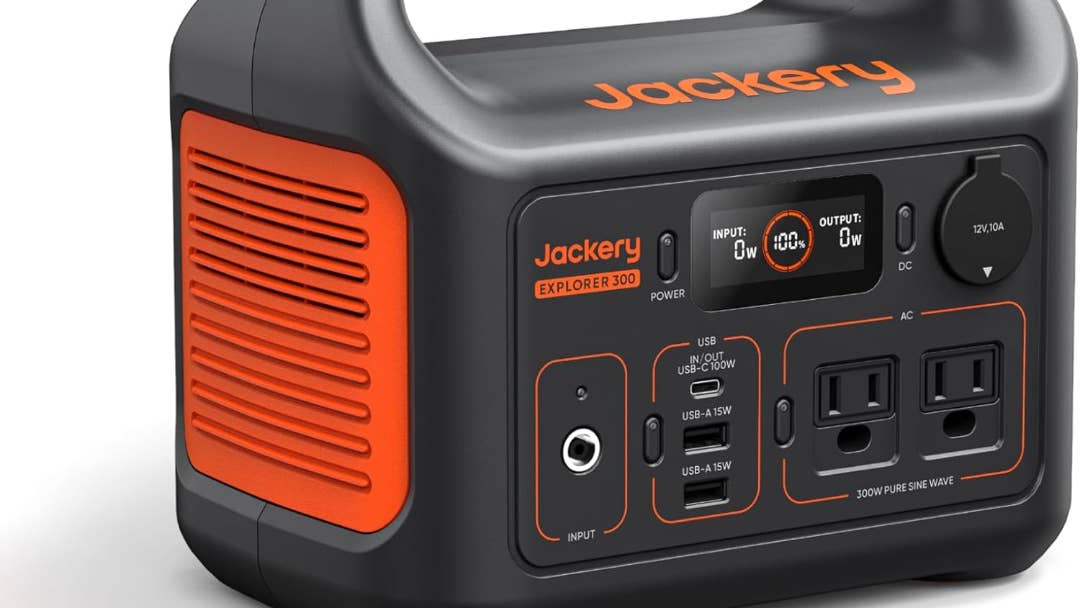
Jackery Portable Power Station
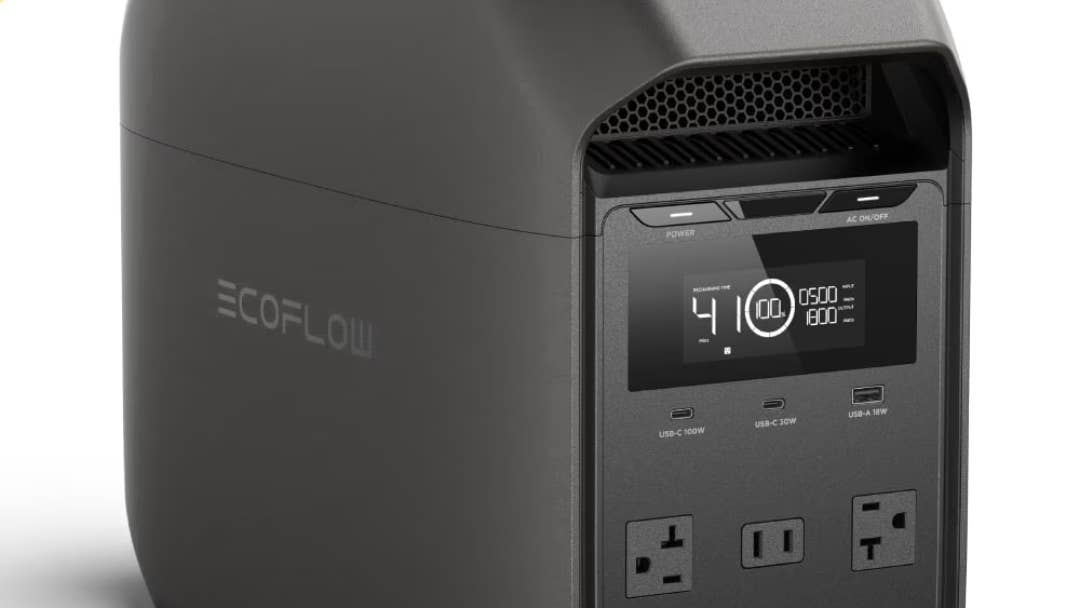
EF EcoFlow Portable Power Station
Solar Generators
Generators don’t all operate on the same power source. They typically use some sort of internal combustion engine and fuel to get their power, but more and more models are being released that get their energy from wind or sun. Solar panels can power buildings and homes and provide heating and lighting, so why couldn’t you use them in emergency situations? Solar generators derive their power from panels that capture sunlight and convert it to direct current electricity, which is then stored in a battery for later use. Whereas a gas generator uses fuel in real time, solar generators would need the panels to have already soaked up the sun before putting it to use in the generator. When you go to fire the generator up, the stored direct current electricity is converted into alternating current electricity, which is what allows you to run appliances and other devices.
Like portable power stations, solar generators are quiet and easy to maintain. They can be used indoors or outdoors since you don’t have to worry about carbon monoxide emissions. They are typically more expensive, compared to both power stations and gas generators, at least at first, and they aren’t as reliable since they rely on sunny days to get their power. If there’s no sun, the panels won’t charge. That’s why it’s best to charge ahead of time before you need it instead of trying to charge it during an actual power outage. Like the power stations, depending on the wattage, solar generators can power phones, laptops, and Wi-Fi or larger items like fridges, microwaves, and power tools. Some high-capacity systems can even provide backup for an entire home — but again, those are special situations and usually require special installation and instruction.
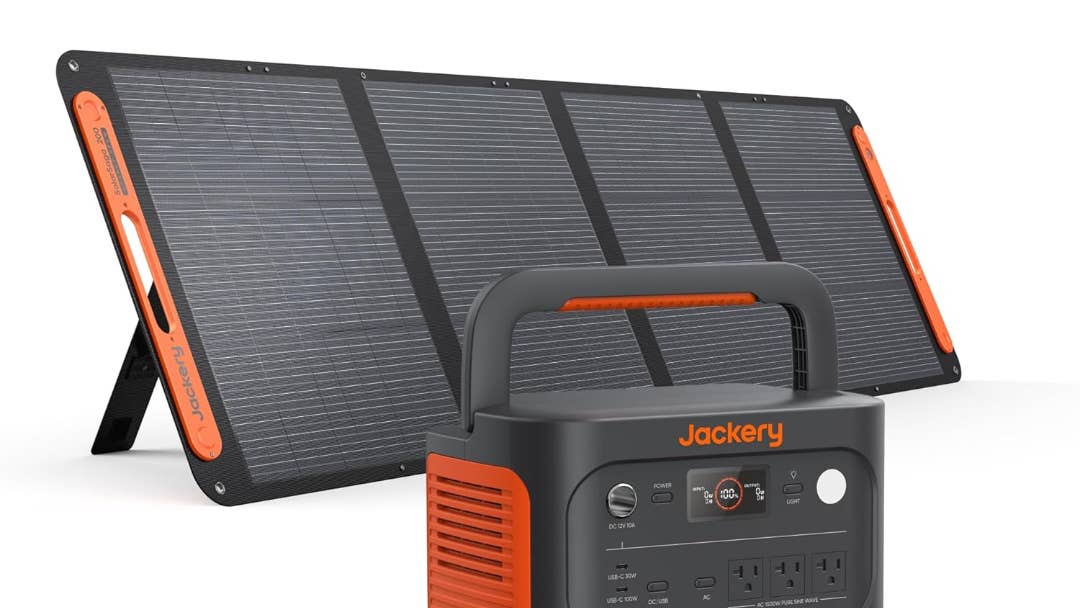
Jackery 1500W Solar Generator
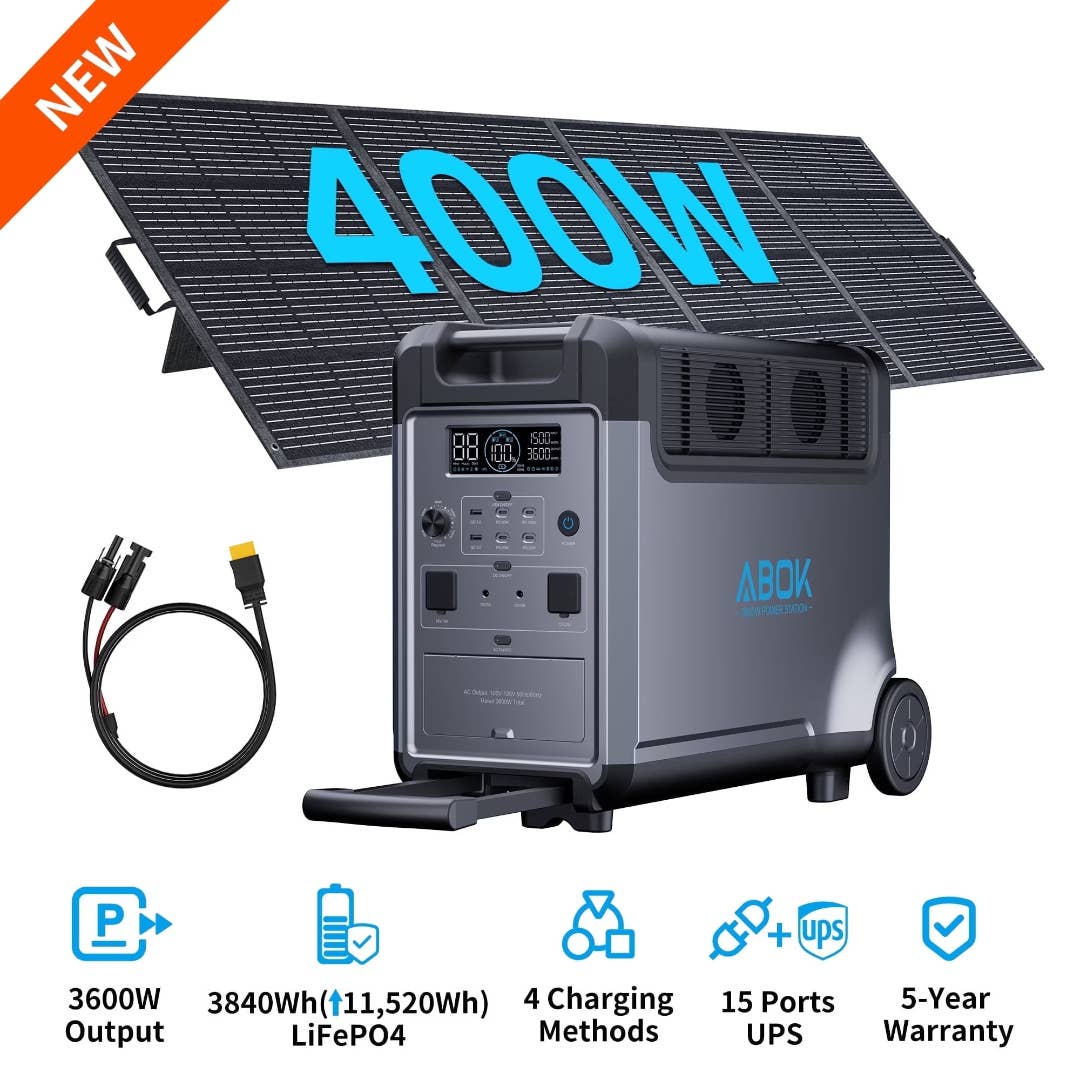
Abok 3600W Solar Generator
Gas Generators
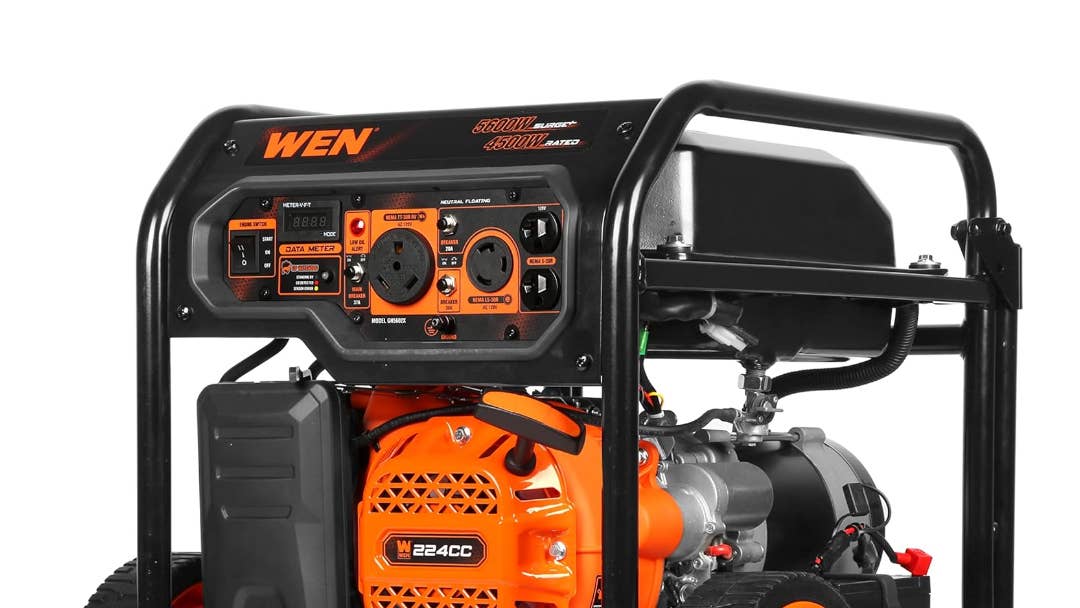
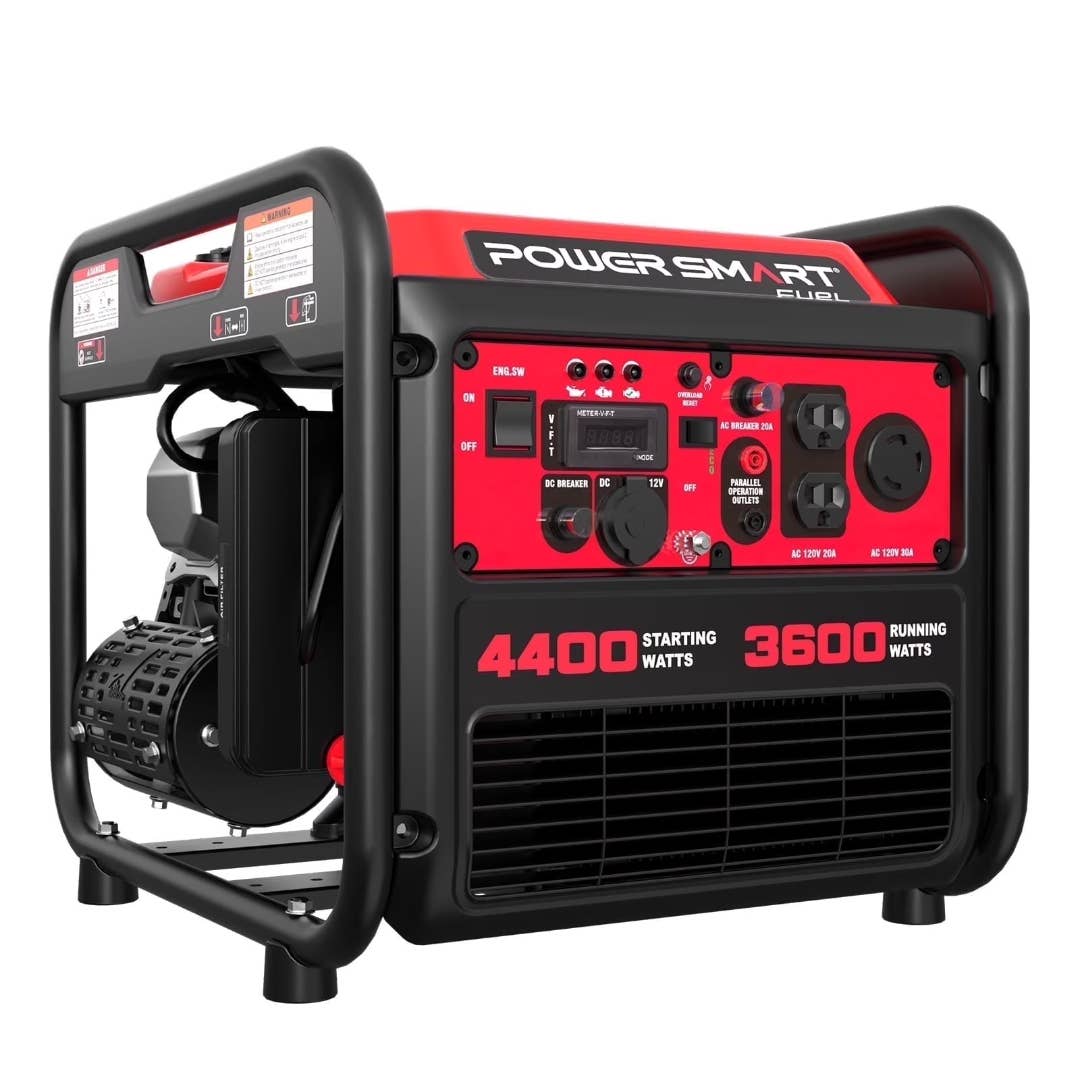
Gas generators are what most people think of when they say the word “generator,” and of the three choices, they are the heavier-duty choice. Not only are they more affordable than other options, but they’re easy to set up and they have a high power output that delivers better performance compared to other options. They operate with an internal combustion engine that runs on liquid gasoline to create mechanical energy. This, in turn, turns a rotor which then converts that mechanical energy into electrical energy through electromagnetic induction.
Although a cheaper option at first, because gas generators require fuel, costs can add up depending on the price of gas in your area. Compared to solar generators, gas generators offer better, more continuous power, ideal for long-term situations without electricity. They typically can handle longer run times, and they work in any kind of weather, not just when it’s sunny. The one downside to gas generators is that they produce carbon monoxide, so they can’t be used indoors. You need a spacious outdoor area or at least an area outside with good ventilation, like an open garage, to let the carbon monoxide disperse and keep it away from your home.
WEN 5600 Watt Portable Generator
PowerSmart 4400 Watt Gas Generator
How do I pick the best one for me?
It can be hard to pick out which one is right for you since they all have their merits and a lot of overlapping similarities. If you live in a small apartment, townhouse, or condo, or a home with no outdoor access via a garage, the solar generator or the portable power station are most likely to be your best bet if only because you don’t have a proper area to dispose of the carbon monoxide emissions. With a fuel-powered generator, you need to have a well-ventilated outdoor space to keep toxic fumes from entering your windows, doors, and vents, but if you’re worried about heavy-duty appliances needing power, then a gas generator is probably the best choice for you. The other two are great for folks who want something quiet, low maintenance, and most importantly, indoor-friendly. They are great for apartments or small homes where outdoor access isn’t feasible. Portable power stations are perfect if you’re someone whose biggest concern is keeping your electronics charged. If you’re not worried about other appliances or devices and care about having basic power to access friends or family through a phone or laptop, then it would be best to save your money and go with the power station over the solar generator.