TheStreet aims to feature only the best products and services. If you buy something via one of our links, we may earn a commission.
One day, hopefully soon in the future, we’ll have robots who can make beds, wash and fold laundry, vacuum, dust, mop, and scrub, but for now, we have to settle for robot vacuums — which isn’t necessarily a bad alternative. Studies show that when it comes to household chores, 86% of women and 71% of men spend time on chores daily, and on average, people spend about 90 minutes a day cleaning the interior of the home. Anything that can cut down that time or make it easier for us is something we’re eager to add to our shopping cart.
Although cordless cleaning devices are not new to the market by any stretch, more and more robotic vacuum models are being released with increasing capabilities. While many folks still prefer to do the cleaning themselves, robotic vacuums offer more than just convenience.
Not only do robotic vacuums save you time by cleaning your floors by themselves, without needing your guidance or hands to operate, but they actually can do a better job of cleaning overall. By having such a slim, compact design and special programming options, robotic vacuums can more frequently clean and they can better clean hard-to-reach areas under furniture like beds and sofas. Instead of cleaning only occurring when you get around to it, you can program a robotic cleaner to operate on a daily basis, keeping your floors and home pest, dust, and dirt-free. And now that models have extra features, you can do more than just vacuum.
There are robotic cleaners that only vacuum, but nowadays, there are also 2-in-1 vacuum and mopping combo machines which do both. Additionally, there are self-emptying all-in-one machines that have a home base where the vacuum can release weeks of dirt into a small onboard bin. Pet-friendly and multi-surface approved, robotic vacuums are the easy investment that keeps your home looking spotless even when you don’t have the time, or desire frankly, to dedicate a couple of hours to scrubbing, mopping, and sweeping every few days. With such a variety of models, there are a lot of overlapping similarities as well as differences, so when it comes time to select the one that’s right for your home, here’s what you need to know.
Filters
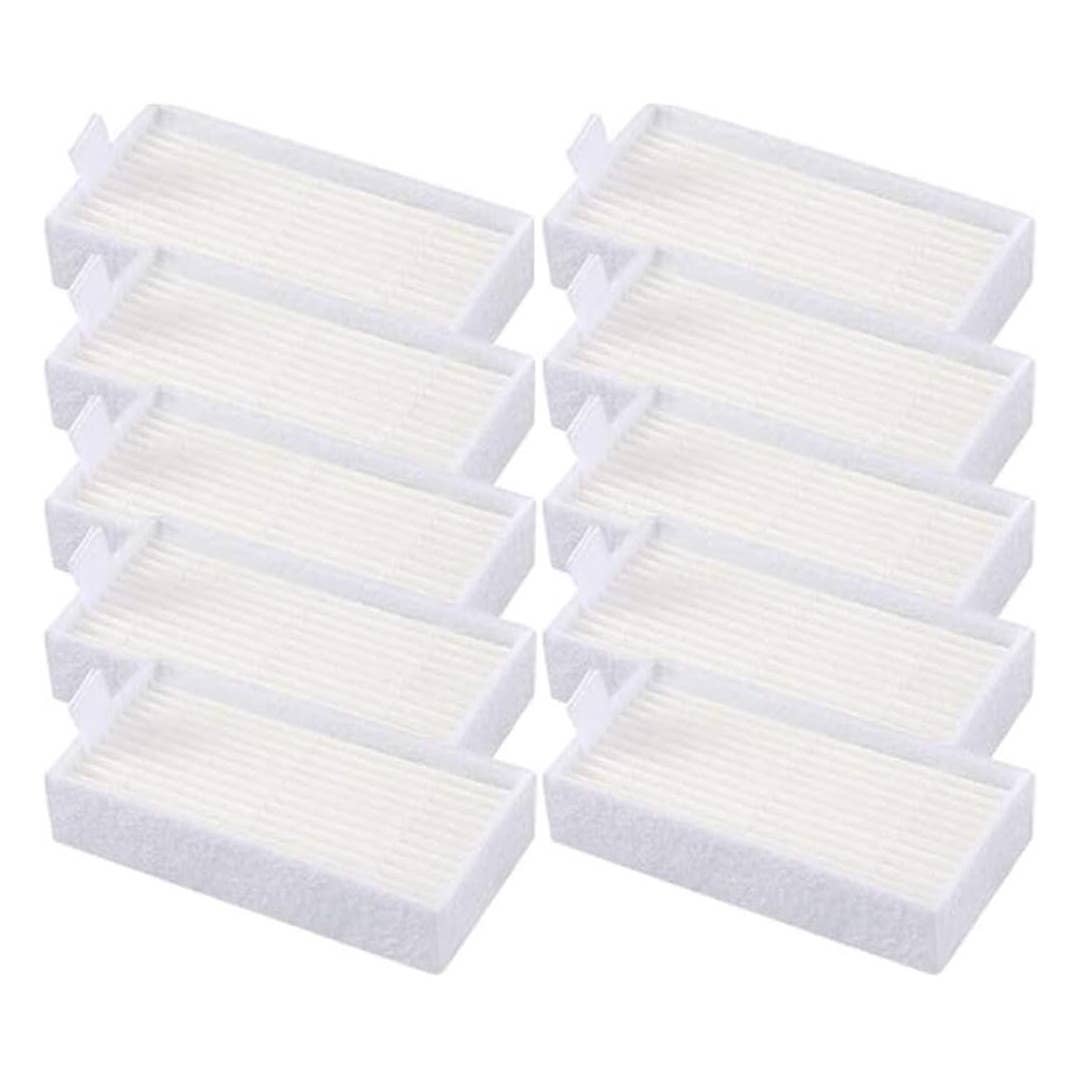
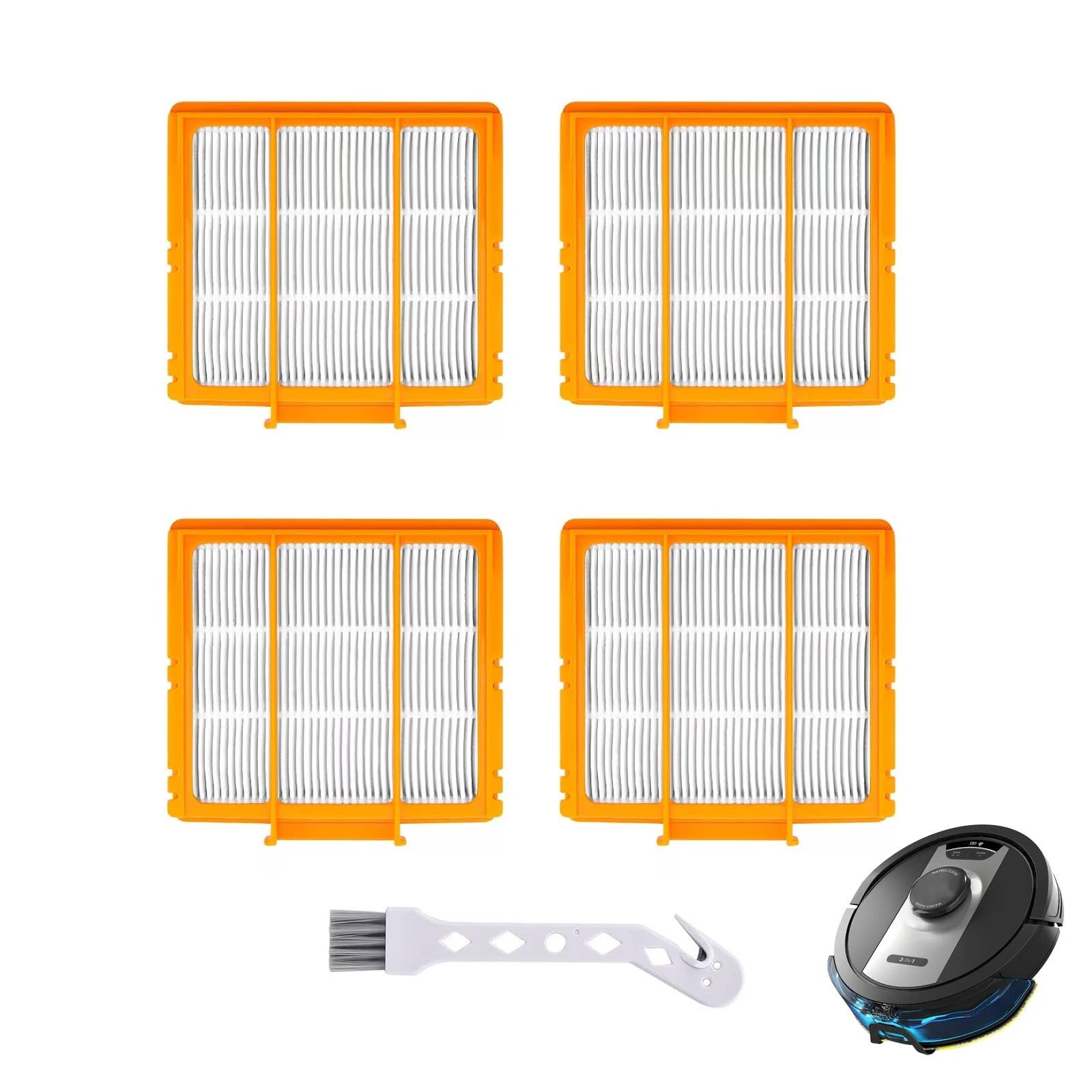
Before you start shopping, there are a few things to know in general about robot vacuums. All robot vacuums use filters to better trap fine dust, allergens, pet dander, mold, and bacteria. They are essential components that are located in the dustbin. Most feature multi-layer systems with high-efficiency (HEPA) filters which trap fine particles and foam pre-filter that trap large debris. These also need to be maintained and cleaned, although some brands make reusable ones so you don’t need to keep buying replacements. Sometimes devices require a certain type of filter, typically one from the same brand that the device is made of, or a specific kind so make sure to read instructions thoroughly and not just place any you purchase inside the vacuum. Manufacturers recommend replacing filters every two to six months, depending on usage and home environment.
10-Piece HEPA Filters Replacement
Ksin Leu 4-Pack Replacement Filter
Vacuum-Only Robot Vacuums
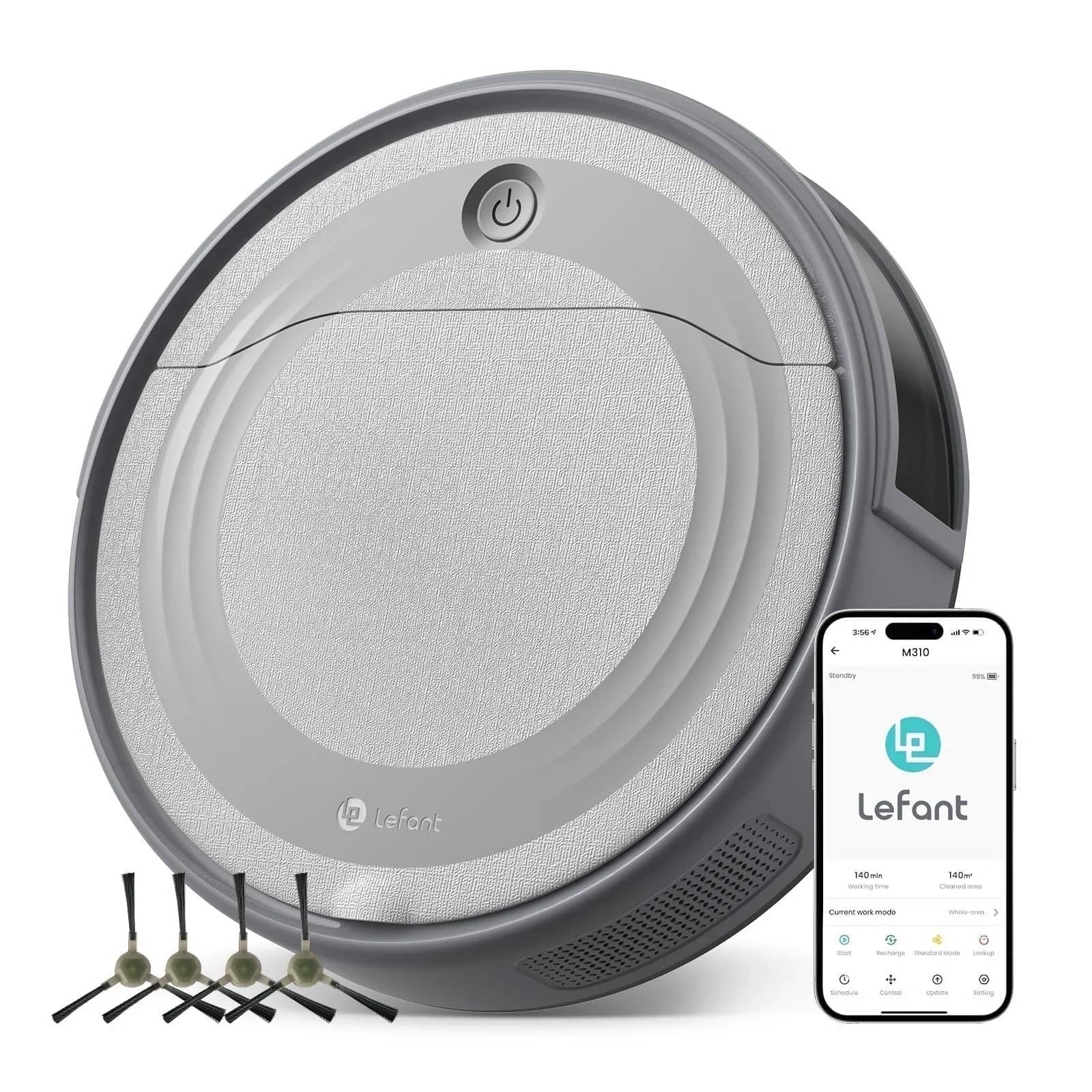
As the original model, vacuum-only robot vacuums were the very first auto-cleaning machines we saw on the market. Using sensors, robot vacuums first map your home by traveling all over and then use that map to navigate your house whenever it’s time for a cleaning. Vacuum-only robotic vacuums typically use a combination of side brushes—a main agitator to lift dirt—to sweep debris underneath the device, and suction power to pull debris into the internal dustbin where it is stored until you dump it. Some machines nowadays have their own self-emptying dustbins, as we’ll discuss later on, but other models can’t empty themselves so it’s necessary for you to remember to do it on a regular basis.
There are mixed opinions on when you need to clean out the dustbin. Some argue that it’s necessary to clean or dump it out after every cycle or cleaning to ensure maximum suction power and prevent clogging. For homes with pets or with folks who have high allergy needs, daily emptying is typically necessary. However, for homes where there’s not a lot of daily buildup, you can typically do it every couple of cycles.
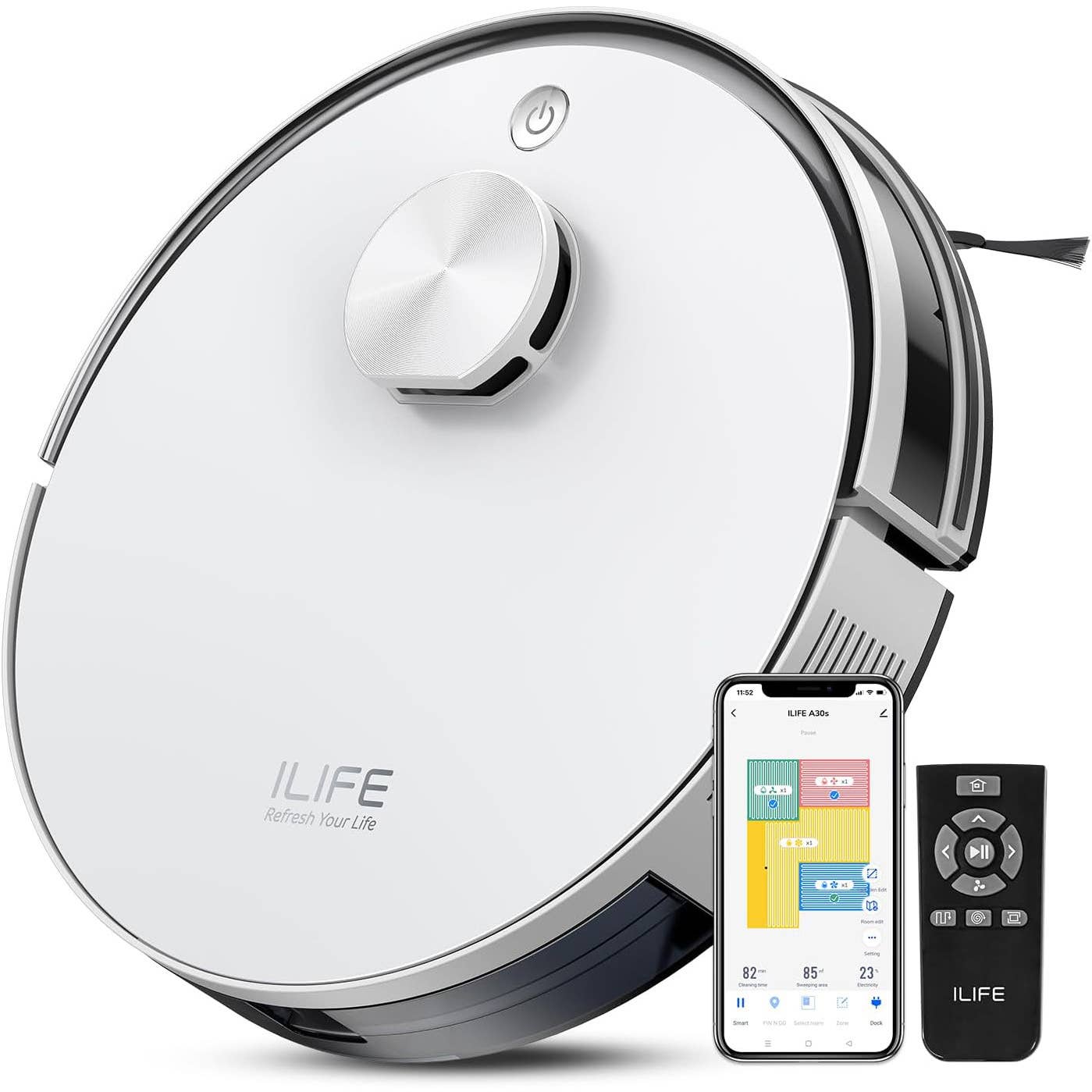
Ilife A30s Robot Vacuum
Lefant Robot Vacuum Cleaner
Vacuum-and-mop combo robot vacuums
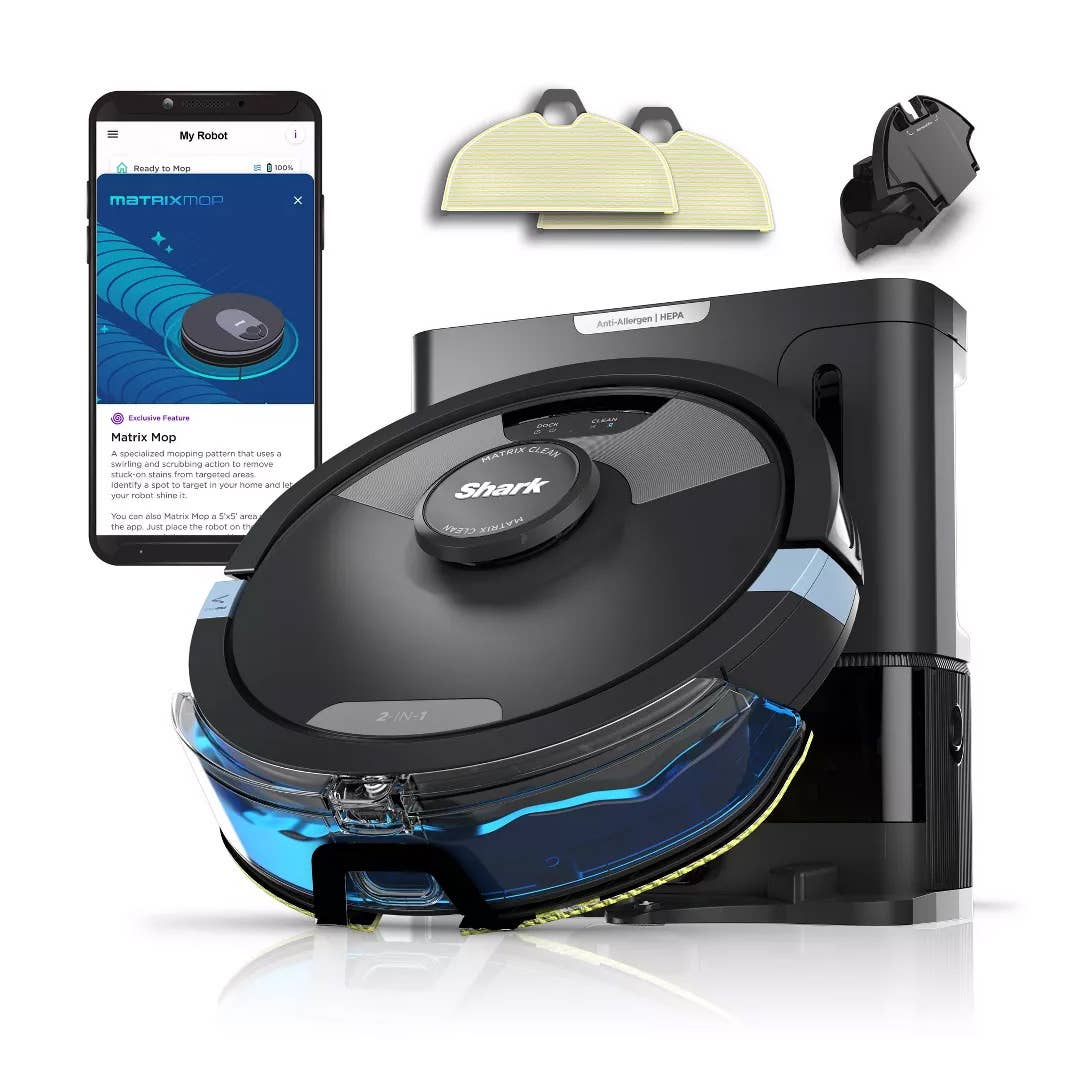
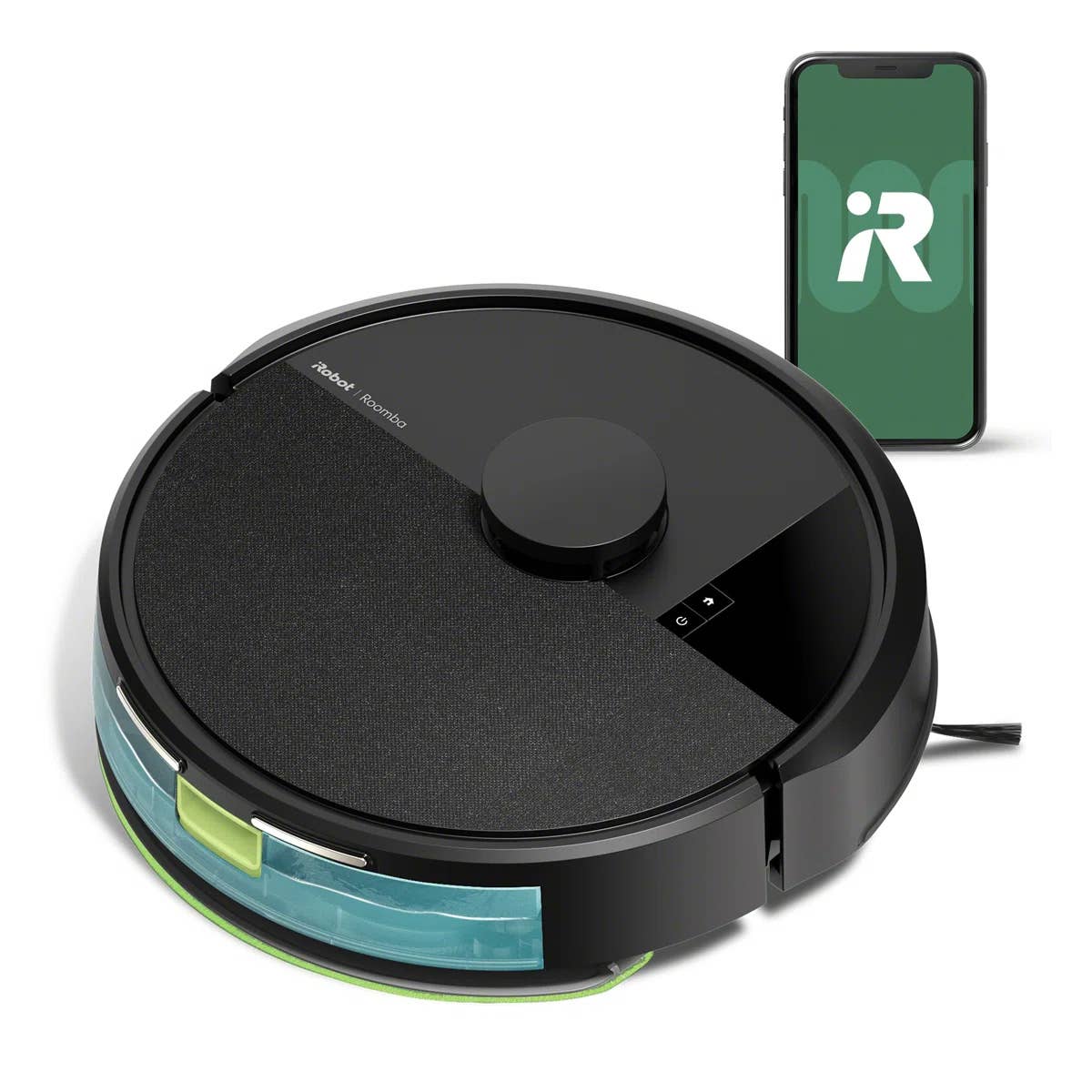
Sometimes, it’s not enough to suction up dirt. You also want to deep clean, and 2-in-1 models are perfect for both. Like the previous model, these combo machines use lasers or camera-based navigation to map your home before it gets to work. Once it has that layout ingrained into its system, it knows where it needs to go during every cleaning. These 2-in-1 models have the side brushes and suction power to collect debris, but after vacuuming, the robot uses a dampened microfiber pad, spinning mops, or high-vibration pads to then clean hard floors. The vacuum has a built-in water tank which is where the moisture for the mopping pads comes from. High-end models can even differentiate surfaces, so in areas where you have carpet, the vacuum would sense that and the mop pad wouldn’t release to keep your rugs and carpets nice and dry. But not all 2-in-1 models have that kind of automatic sensor, so if you’re concerned about that, make sure to check before purchasing whether the version you’re buying has those capabilities.
Shark Matrix Plus 2-in-1 Cordless Robot Vacuum & Mop
iRobot Roomba Combo Robot Vacuum and Mop
Self-emptying/all-in-one robot vacuums
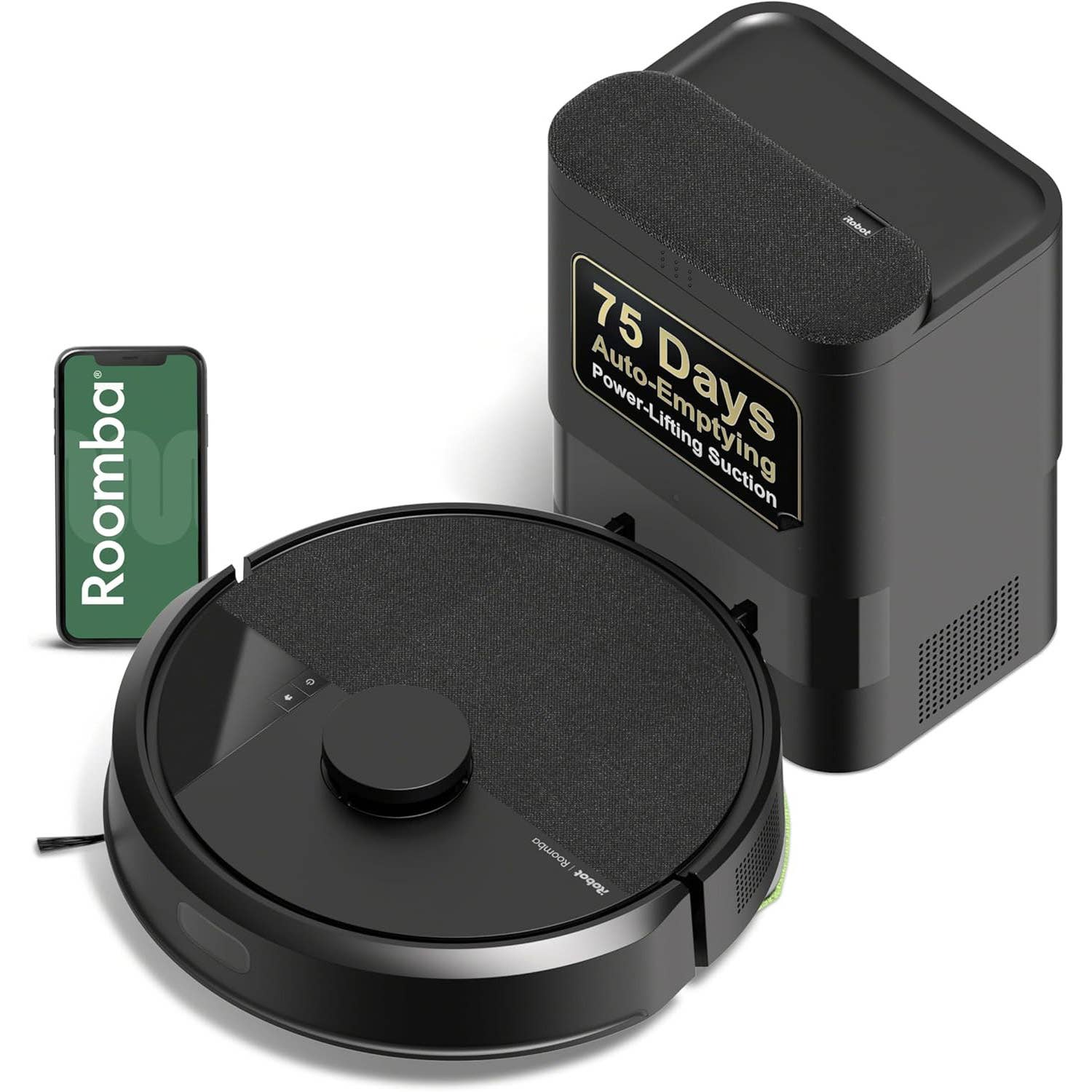
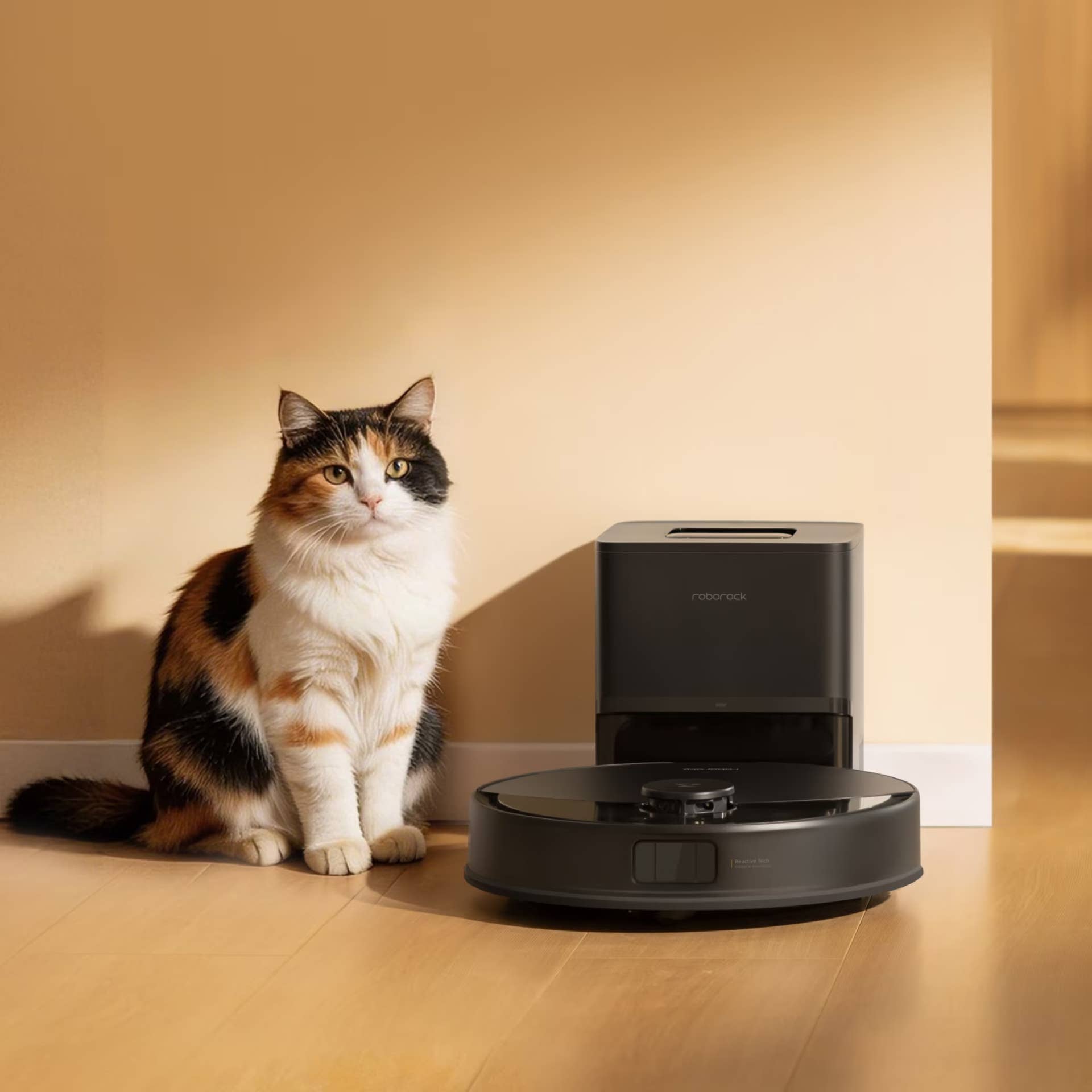
Although almost all robot vacuums have some sort of docking station where they live when they aren’t operating, self-emptying robot vacuums have a docking station that automatically empties dirt and debris from the vacuums, refills the water tank in situations where it’s a 2-in-1 vacuum and mop combo, and washes and dries the mop pads — allowing you weeks of hands-free operation. Perfect for the person who is forgettable, the self-emptying all-in-one stations use a high-suction vacuum in the station to pull what’s picked up into either a larger, sealed dust bag or bagless canister in the dock. The dock washes the mop pads with hot water in order to break down tough messes like grease, and then uses an air-drying technique to prevent odors and mildew. The water tank inside the vacuum is refilled automatically so that it never runs out when it’s operating, and some really advanced models even include automatic detergent dispensing into the water, which can better break down dirt and other hard-to-scrub messes.
Because you’re getting a machine that does all the work for you — other than when you have to dump the dust bag or canister when it gets full in the docking station — prices for a self-emptying robot vacuum can range well over $1,000, but that doesn’t mean you can’t find a model in the lower hundreds. You just need to realize that if you want more features, they come at a cost.
iRobot Roomba 105 Vac with an AutoEmpty Dock
Roborock Q10 X5+ Robot Self-Emptying Vacuum and Mop
Is a robot vacuum right for me, and, which one?
For folks who long for a clean house, but find themselves overwhelmed with their busy schedules, or simply not great at sticking to a weekly schedule, robot vacuums can certainly make your life easier. They operate so that you don’t have to worry about vacuuming or mopping yourself, and because many of them run through a smartphone app or remote, you can even control them without actually touching them at all. The apps or remotes are where you set up mapping, you schedule when it will run, and create custom cleaning zones, but if need be, you can use buttons on the device to operate it which is good as a backup.
As for choosing the right one, that depends on you and what you need. Price is a big concern for many, understandably, and when you want more features, you will have to pay for them. Self-emptying all-in-ones have a wide price range, but vacuum-only and 2-in-1s are typically priced lower because they don’t have all that extra help or lack some of the special features the self-emptying ones have. If you’re someone who just prefers basic vacuuming capabilities, then a vacuum-only robot would be ideal, but if you prefer the combination of a vacuum and a mop, then the 2-in-1 would probably serve you better since it can do both. For those who are forgetful and don’t want to have to remember to empty the dustbins or refill the water tanks, then a self-emptying one is the perfect choice for you. It does everything by itself which is why many find the high cost associated with it well worth it.