While attending Oakland A’s and Oakland Raiders games at the Oakland Coliseum and concerts or Warriors games at the Coliseum arena back in the early 1980s, my only choices of beer were either a cup of Schlitz or Old Milwaukee.
The Coliseum complex only sold these two beers, so my choice was always Schlitz because Old Milwaukee was undrinkable. By the late 1980s, the Coliseum improved its beer choices to include other mainstream beers, such as Budweiser or Miller.
Fans of Schlitz beer will no longer be able to get it at any stadium, arena, bar, or store, as the brewery’s owner, Pabst Brewing Company, stopped producing the beer at an Anheuser-Busch plant in Texas this year, according to KBTX-TV.
Reuters Connect/USA Today
Schlitz brews its final batch
Schlitz, once the world’s largest brewing company, will brew its final batch and discontinue production on May 23, according to Milwaukee Magazine.
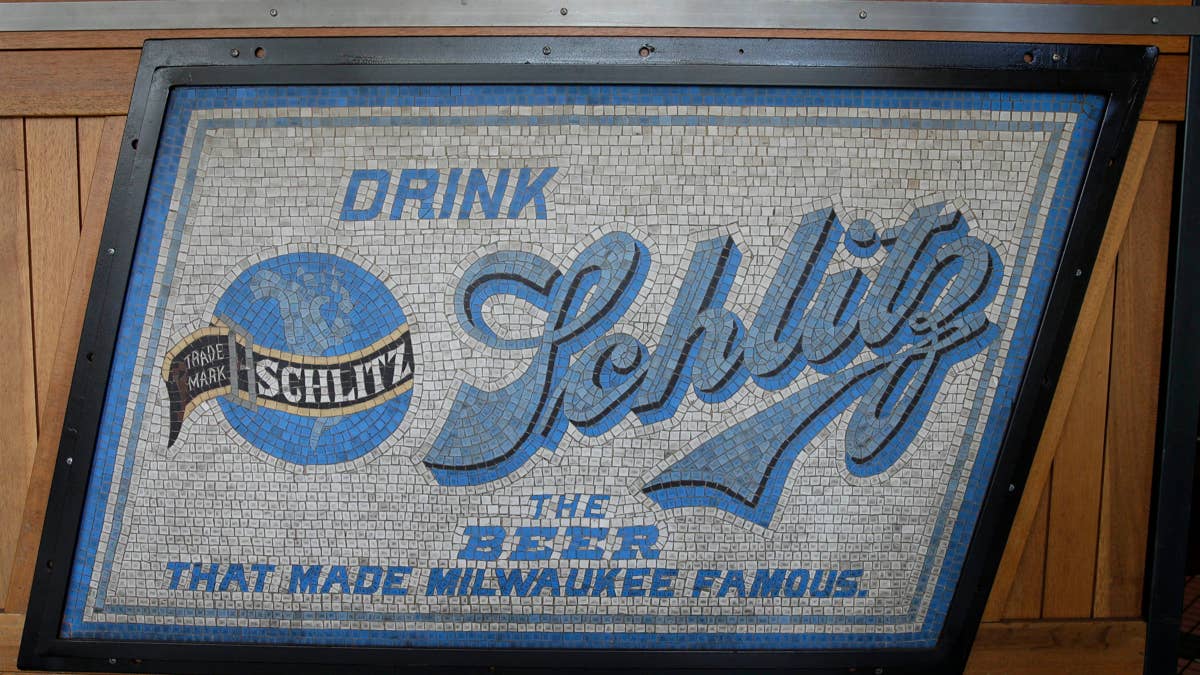
The 177-year-old beer brand, whose slogan is “the beer that made Milwaukee famous,” will no longer be produced since its parent company, Pabst Brewing Company, believes it is not feasible to store and ship the beer, which had declined in popularity over the years.
Declining alcohol consumption rates for younger generations have been a major problem for beer companies in the last three years.
Rising costs led to Schlitz’s demise
“Unfortunately, we have seen continued increases in our costs to store and ship certain products and have had to make the tough choice to place Schlitz Premium on hiatus,” Zac Nadile, Pabst’s head of brand strategy, told Milwaukee Magazine.
“Any brand or packaging configuration that is put on hiatus is still a cherished part of our history and hopefully our future,” Nadile said.
“We continually look for opportunities to bring back beloved brands, and customer feedback is important in shaping these discussions,” he said.
Schlitz was once No. 1 in the world
Schlitz, which was founded in 1849, became the world’s top-selling beer after Prohibition in 1934 and remained No. 1 for decades until the company reportedly changed its brewing ingredients in the early 1970s and alienated fans.
The Uihlein family, which owned Schlitz since the 1870s, sold the company to Stroh Brewing in 1982.
San Antonio, Texas-based Pabst purchased the brewer in 1999 and relaunched it in 2008 with a new formula that did not satisfy customers.
Wisconsin Brewing Company in Verona, Wis., obtained permission from Pabst to brew the final batch of Schlitz on May 23, with limited quantities available at the brewery during an event at the brewery on June 27.
Last chance to get Schiltz
Customers will be able to preorder from the final batch beginning May 23 at the brewery and online.
The Verona brewery also makes Lake Louie Brewing beers, including Li’l Louie Lager, Badger Club Amber, Warped Speed Scotch Ale, Rational Haze, Kiss the Lips IPA, and Sandy Cheeks.
Wisconsin Brewing’s brewmaster Kirby Nelson will use a mid-20th-century Schlitz beer recipe composite, primarily from 1948, when the beer was the world’s top-selling beer, to brew the final batch.
The end of Schlitz’s production follows a major brewing company’s closing of three breweries.
Busch closed 3 breweries
Anheuser-Busch, which in December 2025 announced the closing of three of its breweries across the nation, closed its Fairfield, Calif., brewery on Feb. 22, 2026, after selling its Newark, N.J., plant in December and closing its Merrimack, N.H., facility by the end of January 2026.
A major reason for these closings has been the beer industry’s economic distress over the last two years, with overall U.S. beer production and imports down 1% in 2024 and craft brewer volume sales declining 4% in 2024 and about 5% in 2025, according to a Brewers Association report.
Domestic beer shipments declined
Domestic beer shipments also declined 5.9% in 2025, for a loss of over 8.68 million barrels of beer, according to the Beer Institute, as Beerbound reported.
Shipments in 2025 reached 139 million barrels, a decline from 147.7 million barrels in 2024.
Key reasons for this downturn include a drop in consumer demand and declining alcohol consumption rates from younger generations, the Brewers Association reported.
Brewers have cited several other reasons for their economic issues, including increased product and labor costs driven by inflation and rising lease rates.
Related: Dining chain closes 86 locations, files Chapter 11 bankruptcy