There is a version of the Boeing story that has dominated headlines for the past two years. It’s the version with production caps, regulatory scrutiny, quality lapses, and a January 2024 door-plug blowout that grounded investor confidence as thoroughly as it grounded the affected aircraft.
On May 27, CEO Kelly Ortberg began telling a different version. Boeing (BA) announced it is lifting 737 production to 47 jets per month after consulting with the Federal Aviation Administration (FAA). The FAA is the regulator that imposed a 38-plane cap following the Alaska Airlines incident.
Also, according to Simple Flying, the 109-year-old company cleared the path to 42 per month just in October 2025. The FAA administrator himself told Reuters he expects Boeing to raise rates again in the next 30 to 90 days.
Also read: History of Boeing: Company timeline and facts
On top of that, a fourth 737 assembly line is being prepared in Everett, Washington, targeting 52 jets per month early next year. That is not a company in retreat. That is a company rebuilding forward.
BA is up 3.31% year-to-date compared to the S&P 500‘s 9.86% gain, according to Yahoo Finance.
The stock is still carrying the weight of years of setbacks. The question 2026 is beginning to answer is whether the operational recovery is real enough to close that gap.
Here is what Boeing’s 737 production increase means
The production lift to 47 jets per month is significant not just as a number but as a signal about the relationship between Boeing and the FAA.
FAA Administrator Bryan Bedford’s comments to Reuters at the aviation forum on May 27 were as constructive as any Boeing investor has heard from regulators in years.
“It’s important for the country that Boeing is successful,” Bedford said, as Reuters confirms. “We are absolutely comfortable with 42 to 47, and I suspect in another 30, 60, 90 days we’re going to see continued rate increases.”
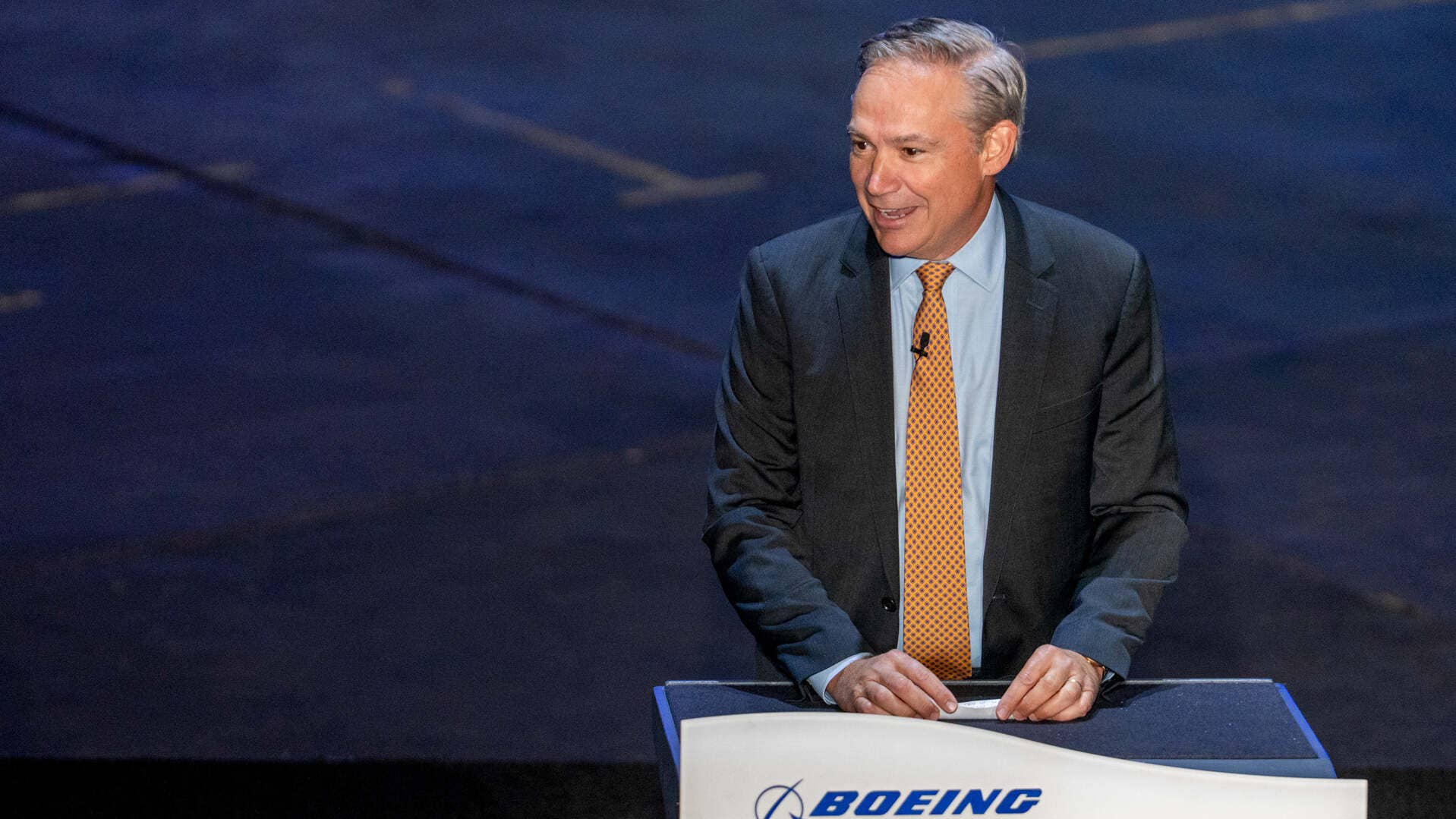
Boeing CEO also described a fundamentally different dynamic between Boeing and FAA
“Rather than waiting until things become problematic and getting us to engage, it’s allowing us to be partners in helping identify potential problems and the solutions that can be built into the quality system,” Bedford said, according to Reuters.
That shift from adversarial oversight to collaborative transparency is not a minor development. The production cap that has constrained Boeing’s output and its cash flow for over two years was rooted in exactly the kind of opacity and quality-control failures Bedford is describing in the past tense.
Related: Citi says defense selloff creates Boeing stock opportunity
If the new operating model holds, the regulatory ceiling on Boeing’s production rate will cease to be a binding constraint.
Boeing is also preparing its Everett facility to host a new 737 MAX assembly line, where it will validate processes across multiple variants ahead of the full ramp to 52 per month targeted for early 2027, according to Simple Flying.
MAX 7 and MAX 10 certification progress milestones unlock Boeing’s next revenue chapter
Certification of the MAX 7 and MAX 10 has been one of the most persistent overhangs on Boeing’s forward earnings outlook. Ortberg addressed the status directly.
According to Investing.com, certification flight tests for both variants are largely complete. The engine anti-ice system redesign — the primary technical hurdle blocking FAA approval — has been resolved. A revised crew-alerting system required by Congress for all MAX variants is being implemented.
Bedford told Reuters that MAX 7 certification could come as early as this summer. The Air Current confirms that the MAX 10 has officially entered Type Inspection Authorization Phase 2. That’s the final stage of certification flight testing, with FAA approval expected before year-end. First commercial deliveries for both variants are anticipated to begin in 2027.
Related: Boeing just landed a deal that changes the game for investors
Ortberg acknowledged the delays candidly. “The one area I guess I’d highlight where I haven’t met my goals was getting the certifications complete on the new commercial airplanes sooner,” he said, The Economic Times reported.
That honesty matters for a company trying to rebuild institutional trust.
Investors and airline customers have heard Boeing make certification timeline promises before. Ortberg’s credibility, built on a track record of delivering the 787 production recovery since he took over in August 2024, is what makes this update more convincing than its predecessors.
The order pipeline and demand environment validate Boeing’s production ramp decision
The decision to lift production doesn’t just happen. Boeing’s recent order activity reflects genuine commercial demand backing the ramp.
Recent 737 MAX commitments include 200 jets from Chinese operators, according to the BBC, up to 60 from Copa Airlines, 50 from Vietnam Airlines, 20 fromAir Cambodia, and a $13 billion order from Flydubai. The company’s total commercial backlog exceeds 6,100 aircraft at a record $695 billion, according to the Q1 2026 earnings release.
That backlog is the asset that makes Boeing’s recovery fundamentally different from a speculative turnaround. The demand exists. The contracts are signed. The constraint has been the company’s ability to build and certify at the pace customers require.
More Airlines:
- Spirit Airlines desperately seeks help from an unexpected source
- JetBlue makes a boarding change some may like
- Another airline shuts down for summer, cancels all flights
Raising to 47 per month, certifying the MAX 7 and MAX 10, and opening a fourth production line are the three operational milestones that convert that backlog into revenue.
Air Data News reports that 787 production has returned to eight aircraft per month after GE engine supply disruptions earlier in 2026. Boeing still hopes to raise Dreamliner output to 10 per month later in 2026, according to Ortberg, assuming engine deliveries can keep pace.
For investors who have been waiting for tangible proof that Boeing’s recovery is operational rather than aspirational, this update delivers the clearest evidence yet.