Money you cannot spend is a strange kind of rich. On paper, a person can be worth millions and still not have a dollar to fix the roof, pay a contractor, or close on a house.
For years, San Francisco tech workers treated that gap as temporary. You joined a hot startup, collected equity, waited for the company to go public, and then sold shares into a market that turned paper wealth into real money.
The system ran on one quiet promise: Someday, the stock becomes cash.
That someday keeps slipping. The most valuable artificial intelligence (AI) companies are staying private far longer, and their employees are sitting on fortunes they cannot legally sell. Anthropic and OpenAI are each valued near the size of a national economy, yet the people who own pieces of them often cannot touch a cent of that wealth.
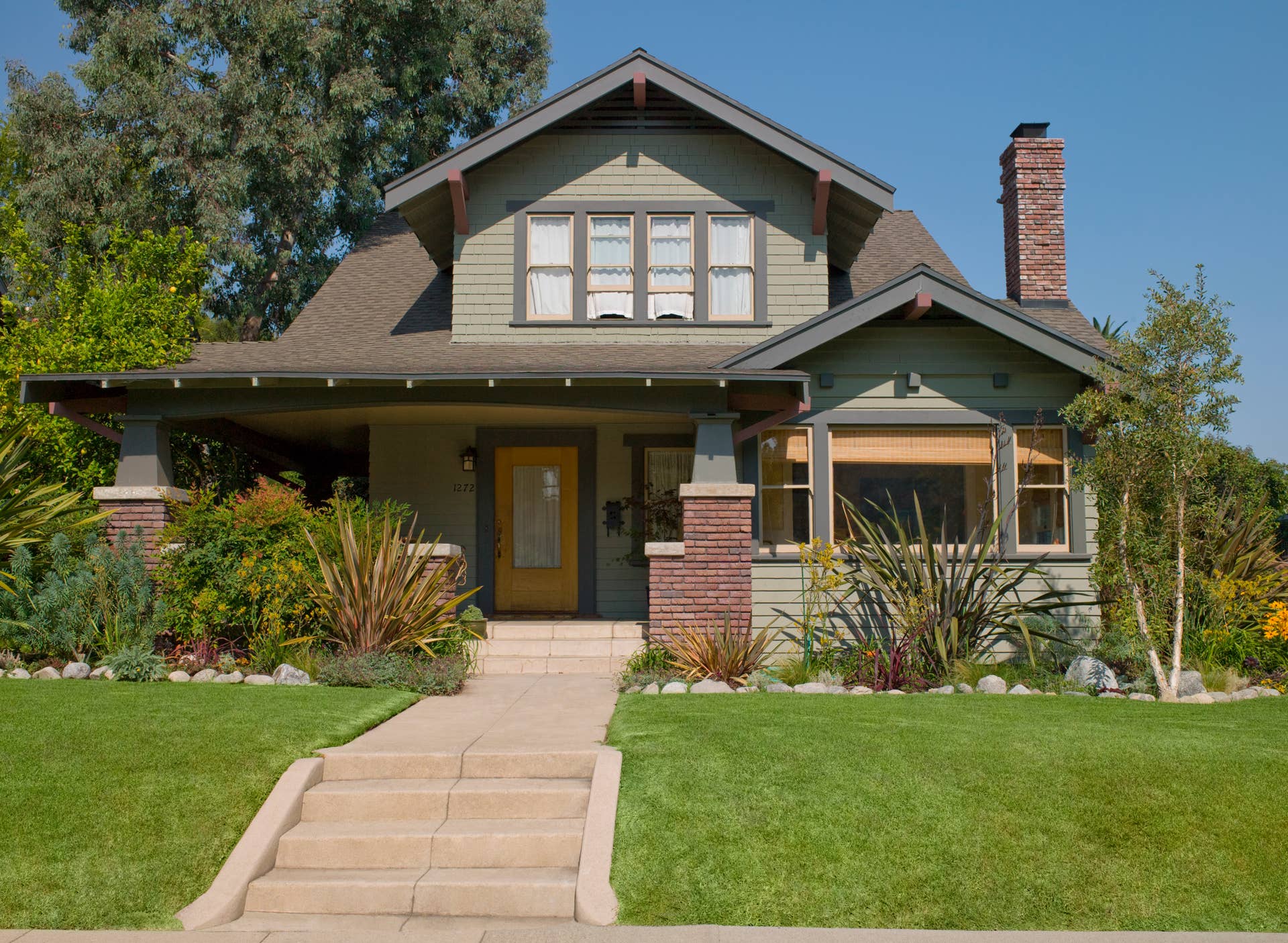
Now one San Francisco seller wants to bridge it. A refurbished Victorian near Duboce Triangle, listed at just under $3 million, says it will consider Anthropic or OpenAI stock as payment.
San Francisco home listing accepts Anthropic, OpenAI stock as payment
The home at 160 Noe St., a three-bedroom, two-bathroom Victorian built in 1907, hit the market on May 28 for $2,995,000. Under the home’s Zillow listing, the “What’s special” section says “Anthropic or OpenAI stock will be considered as payments,” reported KRON4.
The property was listed by the Swann Group, a Noe Valley luxury team, and Rachel Swann, who runs the firm’s luxury division, arranged the offer herself, according to Gazetteer SF.
More Real Estate:
- Why selling a home to your child for a dollar can backfire
- Commercial Real Estate Outlook 2026: Analysts See Signs of Recovery
- Redfin says mortgage rates, profits are hitting real estate now
Interest moved fast. The listing went viral within 24 hours, and the agent expects offers within the week, the same report noted.
The pitch targets a specific buyer. The seller, described as a local developer who believes in both companies, kept hearing from AI employees who wanted property but could not reach the wealth locked inside their shares.
When I ran the $3 million price against Anthropic’s $965 billion valuation, the ask looked almost trivial for the right employee. That is what makes the offer clever, and exactly where it falls apart.
Why AI wealth is trapped in private shares
Private company shares do not behave like the stock in a brokerage account. They usually carry transfer restrictions and a right of first refusal, which lets the company block a sale or buy the shares back before anyone else can.
Anthropic has been blunt about this. After a self-described venture capitalist publicized a brokered share sale, the company updated its policy to state that any transfer made without proper board approval is invalid, according to Gazetteer SF.
So a seller who accepts an employee’s pre-IPO shares could end up holding equity the company refuses to recognize. The wealth is real on a spreadsheet and slippery in a contract.
The scale of the money is the part that makes people try anyway. At $965 billion, Anthropic alone is valued at roughly the size of Switzerland’s entire economy, based on International Monetary Fund (IMF) output figures.
Here is how that money stacks up against the homes it is chasing:
- Anthropic raised $65 billion at a $965 billion valuation on May 28, according to CNBC.
- OpenAI was last valued at $852 billion as of March, CNBC noted.
- San Francisco’s median home price climbed past $1.6 million, a five-year high, according to Redfin.
- Average one-bedroom rent jumped about 21% to roughly $4,000 a month, Zumper confirmed.
Why real estate agents doubt the stock-for-home deal
Local agents are not buying it, figuratively or literally. San Francisco agent Robert Collett compared the idea to selling a house for “a thousand almonds” and asked how anyone would price $3 million in unlisted shares, he told Gazetteer SF.
The legal snag is concrete. Every home sale must be reported to the city assessor, which sets transfer and property taxes from the sale price, yet private shares carry no public dollar value, the same report noted.
Related: Zillow data reveals costly real estate conflict of interest
A San Mateo agent, Wilson Leung, went further, warning that a homeowner could be left holding shares the company never acknowledges unless the seller somehow has board influence, according to Gazetteer SF.
Collett pointed to recent history, recalling that agents floated nearly identical gimmicks during the cryptocurrency craze of the late 2010s and that he never saw one actually close.
This is also not the first Bay Area attempt. In late April, investment banker Storm Duncan listed his roughly $8 million Mill Valley estate and asked to be paid in Anthropic shares, hoping to trade a home he owned for the AI exposure he wanted, according to NBC Bay Area.
Duncan said he knows the bubble talk is loud and still believes AI is in its early innings. That listing has since been pulled.
What an Anthropic or OpenAI IPO would change
The whole gambit is a bet on timing. Both companies are widely expected to pursue an initial public offering (IPO), which would convert locked shares into tradable stock and hand thousands of employees real, spendable wealth. Anthropic’s latest round is seen as its last private raise before going public, according to TechCrunch.
When that day comes, the buyers circling 160 Noe St. will not need a workaround. They will have cash, and plenty of company in the bidding.
My read is that this listing is less a payment plan than a flare. It signals, loudly, that the people with the most theoretical money in America are the ones who can least easily spend it, even as some prominent investors trim positions amid broader AI bubble fears.
For everyone who does not hold AI equity, that is the uncomfortable part.
San Francisco’s bidding wars are already being shaped by money that does not yet exist in spendable form. When it finally does, the homes will not get cheaper, and the line of buyers will only get longer.
Related: Anthropic drops new Claude model as OpenAI IPO race heats up