The results are in from a new mortgage pilot, and hopeful homebuyers — especially those with not-so-great credit scores or little in savings, have something to celebrate.
It seems a loan with no down payment, low credit score requirements, and no mortgage insurance is a real possibility. And it could be a game-changer for first-time homebuyers and minorities who have previously hit financial barriers to buying a home.
While the pilot’s sample size was small, 80% of borrowers used the program to buy their first home, and over 70% were borrowers of color.
“It’s working,” says Zoila Jennings, the lead impact investment officer at Robert Wood Johnson Foundation, which helped fund portions of the pilot. “The question is how do we do more?”
Mortgage pilot program requires just a 660 credit score with no down payment
Conventional mortgage loans are hard to qualify for the average American. They require good credit scores, low debt-to-income ratios, and a hefty down payment, too.
Typically, if you want to avoid paying mortgage insurance, you’d need to make a 20% down payment. And with median home prices sitting at $403,200 these days, that’s over $80,600 — more than most low- to middle-income homebuyers can afford, especially with today’s high inflation and rising gas prices.
With the Inspire100 mortgage, though, there may be newfound hope.
The Inspire100 loan offers 100% financing — meaning no down payment — and requires just a 660 credit score. (That’s in the “fair” scoring bucket, according to FICO.) For borrowers with a 640 to 659 credit score, just a 3% down payment is required.
Inspire100 loans go up to the full conforming loan limits, so in most U.S. markets, buyers can borrow up to $832,750 for a one-unit property and over $1.2 million in high-cost metros. That’s the same limit as with conventional loans — just without the down payment requirements.
Borrowers are required to have at least one month of cash reserves and at least $1,000 in minimum buyer contributions. There is no housing counseling requirement, and interest rate subsidies are available for lower-income borrowers. (Though these are only temporary and are funded by philanthropic investors for now.)
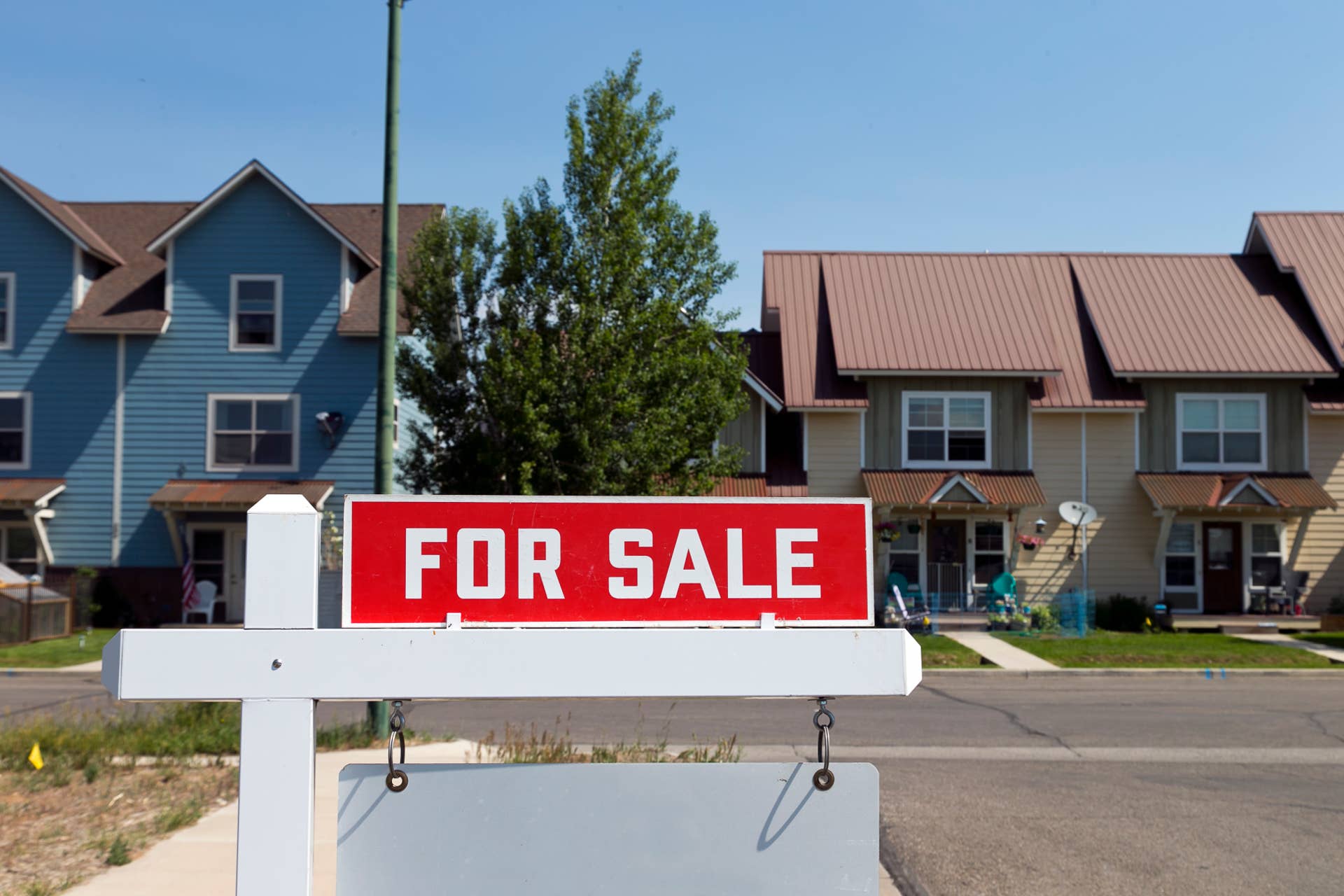
Inspire100 mortgage opens doors to previously shut-out homebuyers
The Inspire100 loan has been piloted across 22 states since September 2024. And according to the think tank Urban Institute, which recently released a report on the pilot’s results so far, the mortgage could remove barriers for many lower-income and minority homebuyers.
Data from the pilot shows that eight out of 10 Inspire100 borrowers were first-time homebuyers, and 77% of all loans went to borrowers earning below 120% of their area’s median income. Over 70% were borrowers of color, and 42% were female heads of household.
“The criteria for obtaining a mortgage are often insurmountable obstacles for households with low incomes or low wealth who are otherwise financially ready for homeownership,” Urban’s report reads. “The Inspire100 pilot represents a promising model that can expand financial inclusion and intergenerational wealth-building opportunities in underserved communities.”
Related: The housing market may finally be favoring homebuyers
The implications for mortgage lending moving forward
Although some no-down-payment mortgages already exist, they’re limited to very niche populations. Zero-down VA loans, which are guaranteed by the U.S. Department of Veterans Affairs, can only be used by active-duty military members and veterans who meet certain service criteria.
USDA loans — mortgages backed by the Department of Agriculture — are only for borrowers in designated rural parts of the country. They also have strict income limits.
According to Urban’s report, the Inspire100 pilot shows that it’s possible to broaden the market’s zero-down mortgage options without “proliferating risk though the system.”
In fact, delinquencies on Inspire100 loans were consistent with delinquency rates on similar loans and borrowers across other products, the report shows. As of the last quarter of 2025, only 0.6% of Inspire100 loans were in delinquency. Nearly 4% of FHA loans were and 1.7% of VA loans. No foreclosures have been initiated in the program thus far.
More Mortgage and Real Estate
- The housing market may finally be favoring homebuyers
- Realtor group flags ‘mismatch’ squeezing middle-class homebuyers
- Bankrate makes bold housing market reset claim
What’s next for the Inspire100 mortgage loan
Inspire100 was only open in 22 states and through select partner Community Development Financial Institution (CDFI) lenders over the pilot period, but its proponents are hoping to add new partners, garner additional support, and gather more data to expand it further in the future.
“For now, we want to continue to grow the program and add more CDFIs to the correspondent channel so that we can produce more and continue to collect data to show our current secondary market provider SelfHelp — and hopefully GSEs [Fannie Mae, Freddie Mac] on down the road — that the loans perform,” says Janel Lawson, senior vice president of JustChoice Lending, one of Inspire100 partner lenders and a branch of the CDFI Fahe. “We also are collecting data about where the product kind of falls short for some borrowers so that we can continue to improve the product.”
“Ultimately, the aspiration of the Inspire100 program is that it be a standard product that the GSEs adopt,” Lawson says.
Related: Zillow data reveals costly real estate conflict of interest