A major fast-casual chain built its name on the simple promise of giving customers a comfortable place to get soup, fresh bread, and salad.
Its model aimed to serve guests more quickly than a traditional sit-down restaurant, while offering fresher options than a typical fast-food chain.
That formula helped it become one of the best-known names in fast-casual dining.
But restaurants today are fighting to survive as customers grow more cautious.
Menu prices were up 3.6% year over year in April, according to the National Restaurant Association, even though the pace of restaurant inflation has slowed from earlier peaks.
Prices at limited-service restaurants, a category that includes quick-service and fast-casual chains, rose 0.4% from March, the highest monthly increase since December.
That matters because fast casual sits in a sensitive middle ground. It is often more expensive than fast food, but it does not offer the full-service experience of a traditional sit-down restaurant.
When diners feel squeezed, a soup, salad, or sandwich has to feel worth the price.
Bakery and sandwich chain Panera is now trying to prove just that, while reshaping its restaurant footprint.
The 40-year-old chain has closed at least two dozen bakery-cafes across several states since last summer, according to an analysis by Fast Company based on local media reports, online review platforms, and Panera’s store locator tool.
The closures do not mean Panera is disappearing. The company is still opening restaurants and says its overall footprint is growing this year.
Still, the shuttered locations show Panera is becoming more selective as it pushes through a broader transformation plan.
Panera closes restaurants across several states
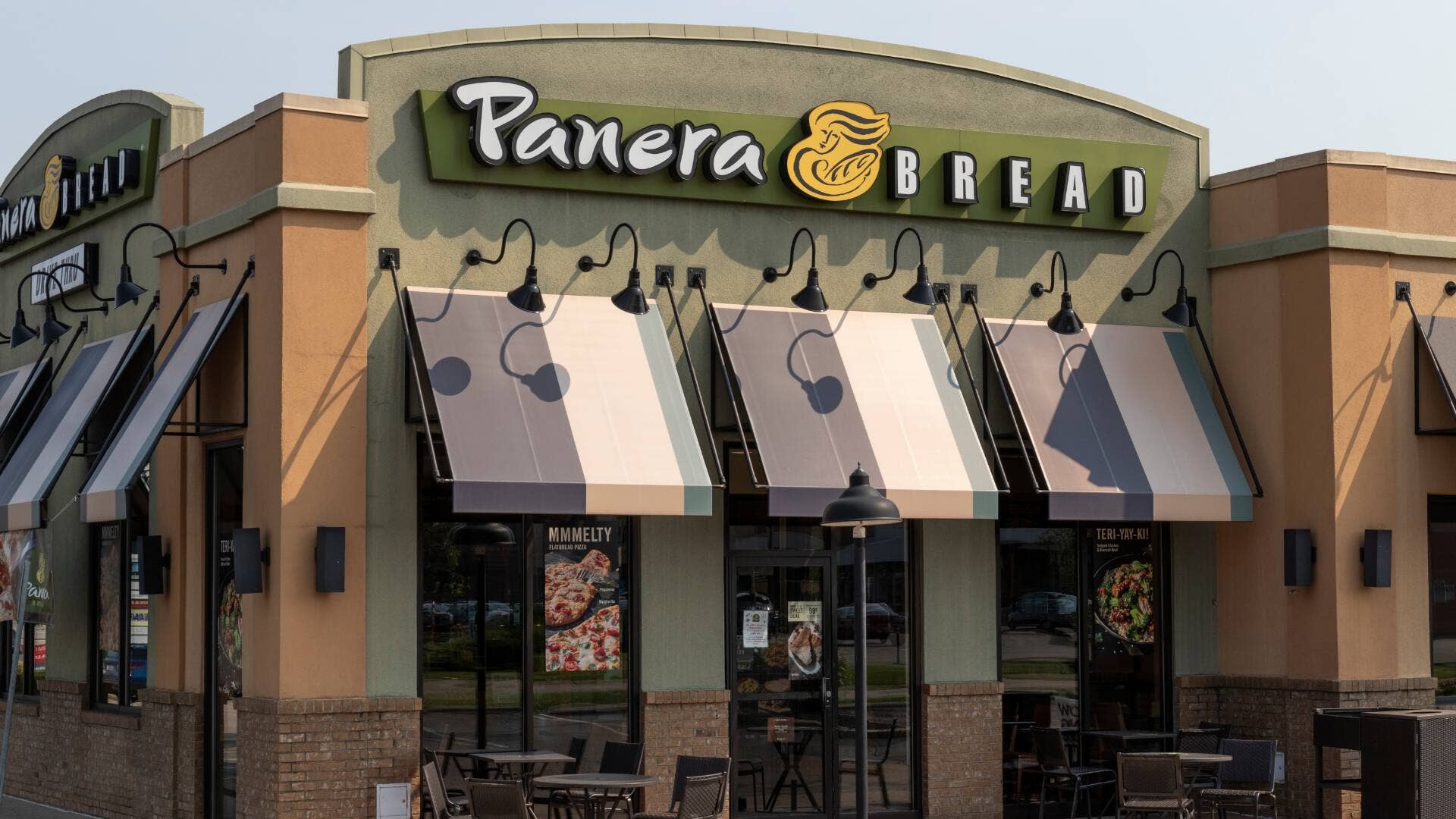
Fast Company reported that at least two dozen Panera Bread locations have closed since last summer.
California has been hit especially hard, with at least six closures. Panera locations have also closed in:
- Texas
- Pensylvania
- Ohio
- North Carolina
- New York
- Maryland
- Iowa
- California
Texas has seen a separate wave of closures. More than a dozen Panera restaurants in the Houston area closed last summer after a large franchisee filed for bankruptcy, according to Fast Company.
More Restaurants
- 30 year old restaurant has closed all restaurants
- After bankruptcy, Hooters closes restaurants, fights for survival
- Iconic Las Vegas Strip restaurant closes without warning
Court records showed that eight of those Texas locations were later sold to an entity tied to Hamra Enterprises, which already owns Panera bakery-cafes in several states. It was not immediately clear if or when those restaurants would reopen.
Panera said it had opened 23 new bakery-cafes so far in 2026, including 15 company-owned locations and eight franchised restaurants. At least 25 additional locations are expected to open before the end of the year.
Panera is closing some restaurants while still adding others, suggesting the chain is trying to reshape its store base rather than broadly retreat from growth.
Jonathan Weiss/Shutterstock.com
Panera is pushing a broader turnaround plan
The closures come as Panera continues a strategy called Panera RISE, which the company announced in 2025 under CEO Paul Carbone.
The plan focuses on refreshing the menu, strengthening value, improving the guest experience, and expanding the chain’s network.
As part of this rework, the company said that it was rolling out a new bakery-operating model in which it partners with artisan bakers who use Panera recipes and ingredients to make baked goods finished in cafes.
Consequently, it would also close all its Fresh Dough Facilities within two years.
Panera said the strategy is meant to help the company reclaim industry leadership and drive growth. The company also said it wants to increase systemwide sales to more than $7 billion by 2028.
That growth goal helps explain why Panera can be closing restaurants in some markets while opening new ones elsewhere.
The company is not only trying to add more locations. It is trying to make the business more efficient, modern, and appealing to customers who have more choices than ever.
Panera has also been changing how it operates behind the scenes.
TheStreet previously reported that Panera was closing all its regional Fresh Dough Facilities as part of its shift to a new bakery operating model. As of 2025, it has already closed eight, and new filings in 2026 revealed four more closures, bringing the total to 12.
The WARN notices, as reviewed by TheStreet, showed closures in Maryland, Ohio, Illinois, and Massachusetts, affecting a total of 399 workers.
Diners are rethinking restaurant value
Panera’s changes come as restaurants deal with a consumer who is still spending, but more carefully.
McKinsey said the U.S. restaurant sector may be reaching a turning point after years of steady gains. The firm said persistent inflation, tariffs, and economic uncertainty are forcing diners to rethink the value of every restaurant visit.
The gap between eating out and eating at home has also mattered.
The McKinsey report noted that restaurant and takeout costs rose faster than grocery prices from January 2024 to September 2025. If that gap widens, diners may see less value in restaurant meals compared with eating at home.
That pressure can hit brands like Panera in two ways.
Customers may trade down to cheaper fast-food options, buy more grocery prepared foods, or cut back on restaurant visits altogether.
At the same time, those who do eat out may expect better food, faster service, more digital convenience, and a clearer reason to choose one chain over another.
That is the challenge Panera is trying to address with RISE.
Panera’s plan specifically calls out value. The company said one of the strategy’s pillars is delivering high-quality food at a variety of price points that remains accessible, affordable, and “worth it” to guests.
Panera has also been experimenting with new menu items such as salad stuffers and new beverages.
Fast casual still has room to recover
The fast-casual category is not without bright spots.
Placer.ai said fast casual continued to outperform in April 2026, with visits up 1.9% year over year. The firm said the segment’s momentum pointed to the strength of its value perception as consumers weigh quality and experience against price.
Nation’s Restaurant News also reported that fast casual has found a bright spot among business diners, driven in large part by catering. The outlet cited data showing business dining sales and traffic growth outpaced the overall market, with fast-casual brands capturing a growing share.
That could matter for Panera.
The chain already has a lunch, coffee, office, and catering identity that can work in a market where customers are being more selective. If Panera can improve value, operations, and the guest experience, the broader fast-casual category still gives it room to recover.
But with the reset, some areas are losing nearby bakery-cafes. Some workers have already been affected by changes to Panera’s bakery operations. And the company is trying to modernize while competing for diners who are demanding more for their money.
Related: After bankruptcy, iconic seafood chain closes flagship restaurant