A longtime grocery chain is preparing to exit an entire community, leaving residents with fewer affordable grocery options as food prices continue to put pressure on household budgets.
The announcement comes as grocery retailers nationwide face rising labor costs, supply chain pressures, and increasing competition from discount chains and online shopping platforms. As companies adapt to those challenges, many are reassessing store portfolios and reducing their physical footprints.
For residents in this area, the decision means losing two neighborhood supermarkets that have served local families for years, raising concerns about food access and reducing grocery options in the community.
Now, the retailer has confirmed that its final stores will permanently close within the next few weeks.
Great Scot confirms closure of final two grocery stores
Great Scot is closing its remaining two stores in Findlay, Ohio, next month. The West Main location is scheduled to close on July 1, while the Broad Avenue store will cease operations on July 8.
“We have made the difficult decision to close both Great Scot locations in Findlay, Ohio,” said SpartanNash District Manager Justin Long in a statement reported by WFIN. “We are grateful to our store guests for their loyal support, as well as our dedicated team members for their commitment to our shoppers.”
The shutdowns mark the end of Great Scot’s presence in Findlay and leave residents with fewer local grocery options. Once the closures take place, Community Market will continue operating approximately 15 locations across the region, but none will remain in Findlay, according to the company’s store locator.
For many residents, neighborhood grocery stores serve as more than places to buy food. They often provide convenient access to pharmacy services, employment opportunities, and community connections that can be difficult to replace.
Why are the Great Scot stores closing?
Neither SpartanNash nor Community Markets has publicly disclosed a specific reason for the closures.
However, the decision comes amid significant ownership changes and ongoing consolidation throughout the grocery industry.
Great Scot operates under Community Markets, which is part of the Fresh Encounter family of companies. Founded in 1995, Fresh Encounter manages several grocery banners across Ohio, Indiana, and northern Kentucky, including Great Scot, Community Markets, Sack ‘N Save, King Saver, Germantown Fresh Market, Remke Markets, Chief Markets, and Needler’s Fresh Market.
In 2024, Fresh Encounter was acquired by SpartanNash, a food solutions company that operates nearly 200 grocery stores across 10 states and distributes products to more than 2,300 independent retail locations nationwide, according to its website.
Just one year later, SpartanNash was acquired by C&S Wholesale Grocers, further reshaping the ownership structure of the business.
Retail analysts McKinsey & Company have noted that mergers and acquisitions often prompt companies to reevaluate store portfolios, reduce overlapping operations, and focus resources on locations that align with long-term strategies.
While the company has not directly linked the closures to those changes, the move appears consistent with broader efforts across the grocery sector to streamline operations and improve efficiency.
Grocery retailers face growing industry pressures
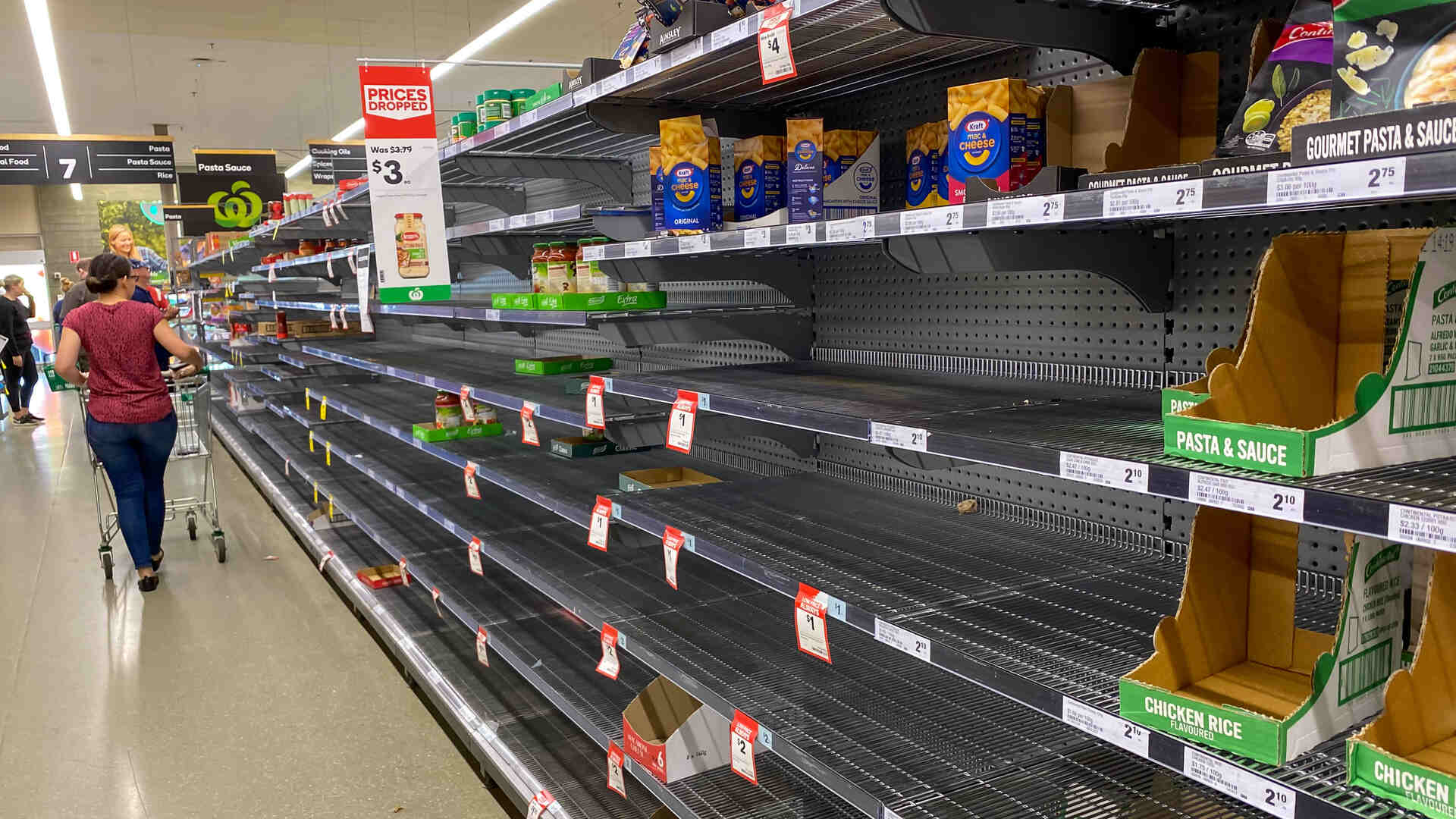
The Great Scot closures reflect challenges facing supermarkets nationwide.
Food prices remain a concern for many households. According to the latest U.S. Bureau of Labor Statistics data, food prices have increased 3.2% during the 12 months ending April 2026.
At the same time, grocery operators continue to face rising labor costs, higher transportation expenses, supply chain disruptions, and increased competition from discount retailers and online grocery services.
The pressures have contributed to a wave of store closures in the retail industry.
U.S. retailers are expected to close approximately 7,900 stores nationwide in 2026, down 4.5% from 2025, while around 5,500 locations are projected to open, up 4.4%, according to Coresight’s U.S. Store Tracker 2026 Outlook. The gap highlights the ongoing restructuring taking place across multiple retail sectors.
While grocery stores remain essential parts of local communities, many operators are reassessing their physical footprints as consumer shopping habits continue to evolve.
Findlay’s economic challenges add to concerns
The closures may create additional challenges for some households in Findlay.
According to the latest U.S. Census Bureau data, Findlay’s poverty rate stands at 12.3%, exceeding the national average of 10.6%.
For lower-income residents, the loss of nearby grocery stores can increase transportation costs and make it harder to access affordable food.
Research from the 2025 Public Transit Supports for Food Access Survey has shown that grocery store closures disproportionately affect seniors, residents without reliable transportation, and lower-income households, particularly in communities with limited alternative grocery options.
As grocery access declines, community leaders and food-access advocates warn that vulnerable populations often bear the greatest burden.
Ohio continues to battle food access gaps
The Great Scot closures also highlight a broader issue affecting communities across Ohio.
The U.S. Department of Agriculture (USDA) defines “low-access areas,” often referred to as “food deserts,” as communities with limited access to supermarkets, grocery stores, or other affordable and nutritious food sources.
According to the 2025 State of Poverty in Ohio Report, nearly 70% of Ohio counties qualify as “resource deserts.” In 60 counties, at least one area lacks both a grocery store and a pharmacy.
Philip E. Cole, executive director of the Ohio Association of Community Action Agencies (OACAA), has argued that market consolidation has made it increasingly difficult for independent grocers and pharmacies to compete against larger national chains that benefit from greater purchasing power and supplier discounts.
“Walmart, Kroger, Safeway, they pushed the little guys out of business,” Cole said in an interview for The State of Ohio, reported by The Statehouse News Bureau. “That created these food deserts and also created some unemployment too, because those places were gone.”
What the closures mean for Findlay and other communities nationwide
Although other grocery options remain in the area, the closure underscores the growing challenges of maintaining reliable access to affordable food as retailers nationwide adapt to economic pressures, consolidation, and changing consumer behavior.
Here’s some of my previous coverage of grocery store closures:
- Longtime grocery chain closes stores, exits key markets
- 87-year-old grocery chain closes another store amid pressure
- 39-year-old grocery chain closing 17 stores in 2026
For many residents, the loss of the two Great Scot stores represents more than a business decision; they signal another shift in the local retail landscape at a time when grocery access is becoming increasingly important.
Related: Another retail chain closing all stores after 33 years in business