TheStreet aims to feature only the best products and services. If you buy something via one of our links, we may earn a commission.
Whether you’re assembling a new piece of furniture for the living room or hanging curtains in the bedroom, having the right power tool can make all the difference when completing everyday home projects. Instead of cranking an allen wrench until your hand cramps, using a power drill or electric screwdriver with the proper fittings can complete the task in seconds, and all the effort it takes is pressing a button.
While electric screwdrivers do have some overlapping functions, they actually perform two different functions, and you don’t want to waste money on the wrong tool. To help you make the best investment, let’s break down the differences between an electric screwdriver and a power drill.
What is an electric screwdriver?
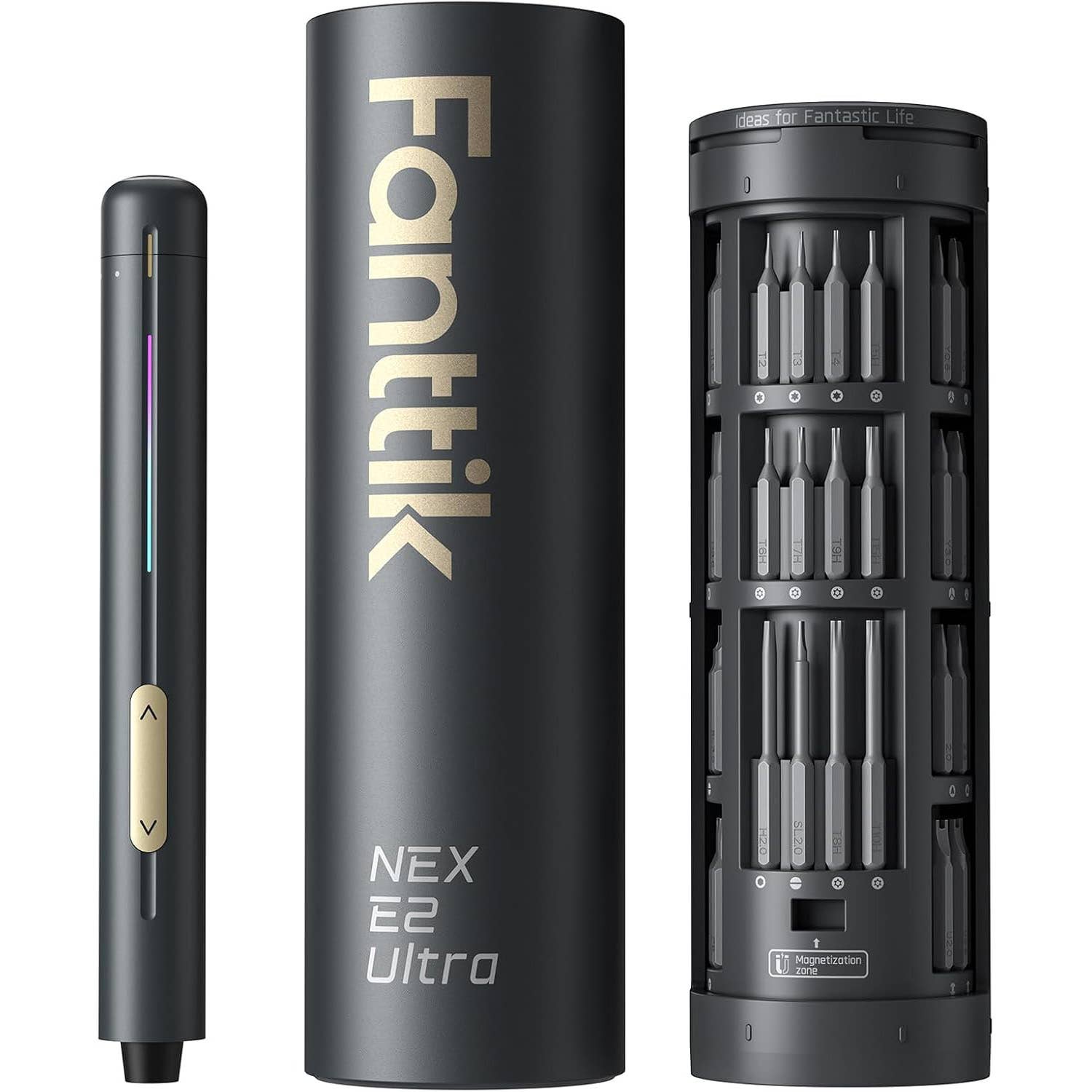
A traditional screwdriver is one of the most frequently used pieces in our toolboxes, and the electric screwdriver takes this classic design and brings it to the modern day. Cordless and portable, the electric screwdriver uses battery power to rotate screws quickly, including driving and removing them. You can find several brands on the market, but on average, prices for an electric screwdriver cost around $50. You can even find higher-end versions at this price point with a good deal, which currently includes the Fanttik E2 Ultra Mini Electric Screwdriver at Amazon.
Fanttik E2 Ultra Mini Electric Screwdriver
What is a power drill?
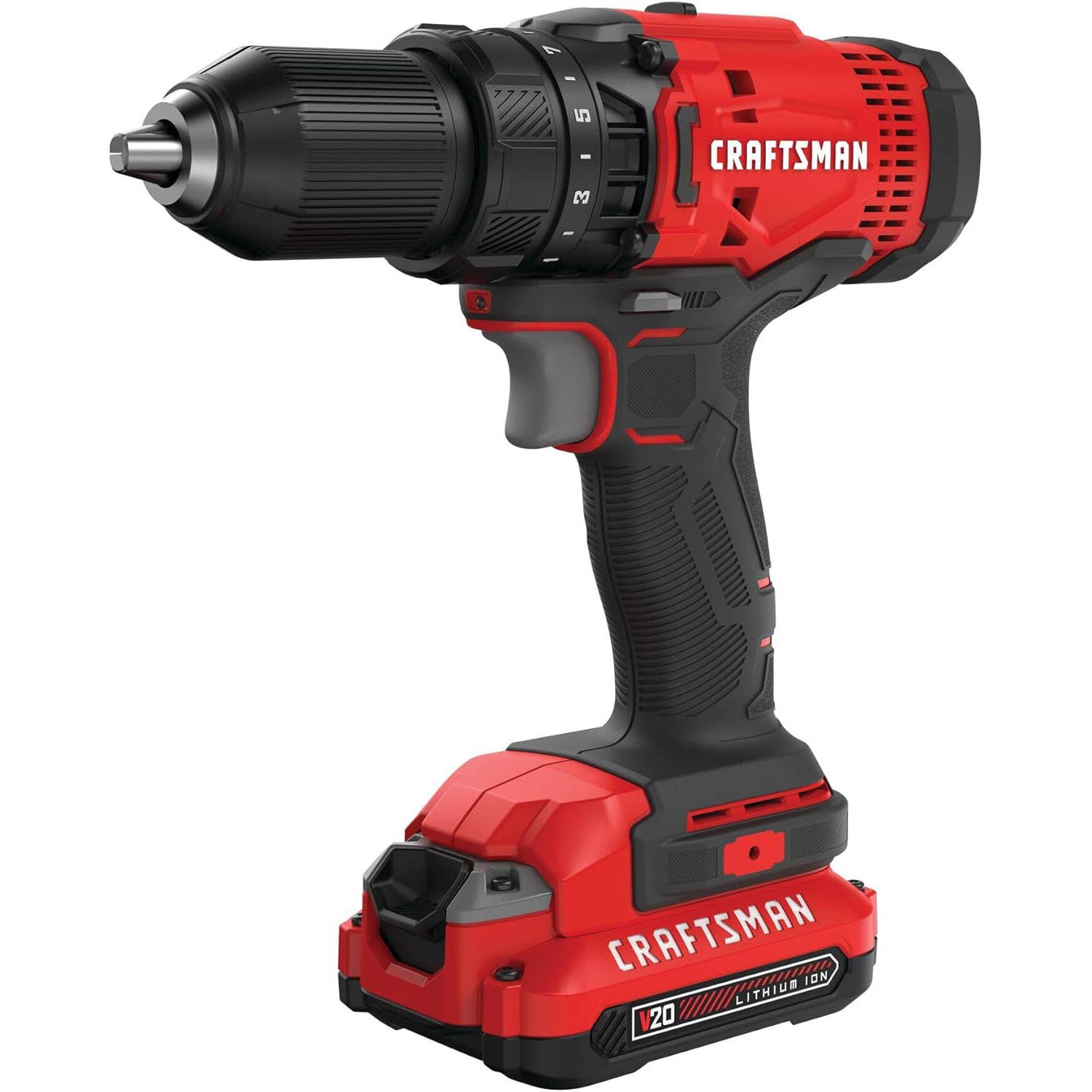
There are a variety of power drills on the market, but for our purposes, we will stick with a basic cordless model, like the Craftsman V20 Cordless Drill and Driver Kit, which runs for under $60 while it’s on sale at Amazon. Power drills, as the name implies, are built to have a lot of power and torque, so they can effortlessly drill holes into walls and wood, but can also drive and remove screws like an electric screwdriver.
Craftsman V20 Cordless Drill and Driver Kit
Electric screwdriver vs. power drill
While it may seem like a power drill is the obvious winner, as it can also perform the job of an electric screwdriver and more, it’s not that clear-cut when you compare the advantages of the two tools. There are three main advantages of an electric screwdriver:
- It has a lightweight, user-friendly design.
- It has improved precision for delicate jobs.
- It comes with everything you need in one purchase.
Most electric screwdrivers have a smaller, lightweight design that fits within the palm of your hand, making them more user-friendly than a bulky power drill. Since the tool is more compact, it fits and maneuvers better in tight spaces. You could even throw it into a backpack if you want to take it on the go without having it weigh you down.
If you have a delicate job, like twisting tiny screws on an electronic device, an electric screwdriver offers greater precision and control. Some models even allow you to adjust the torque, so you don’t have to worry about over-tightening and subsequently damaging fragile objects.
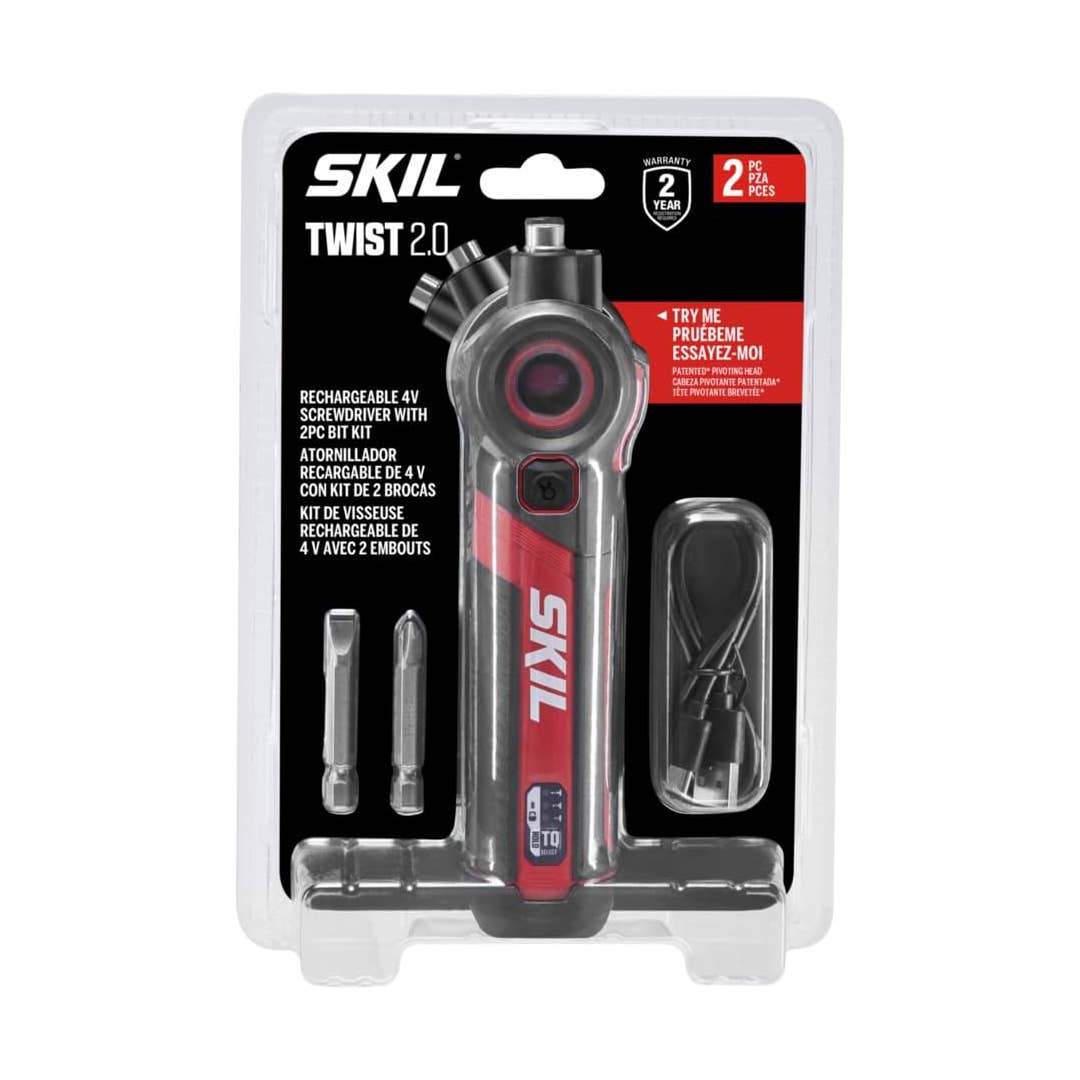
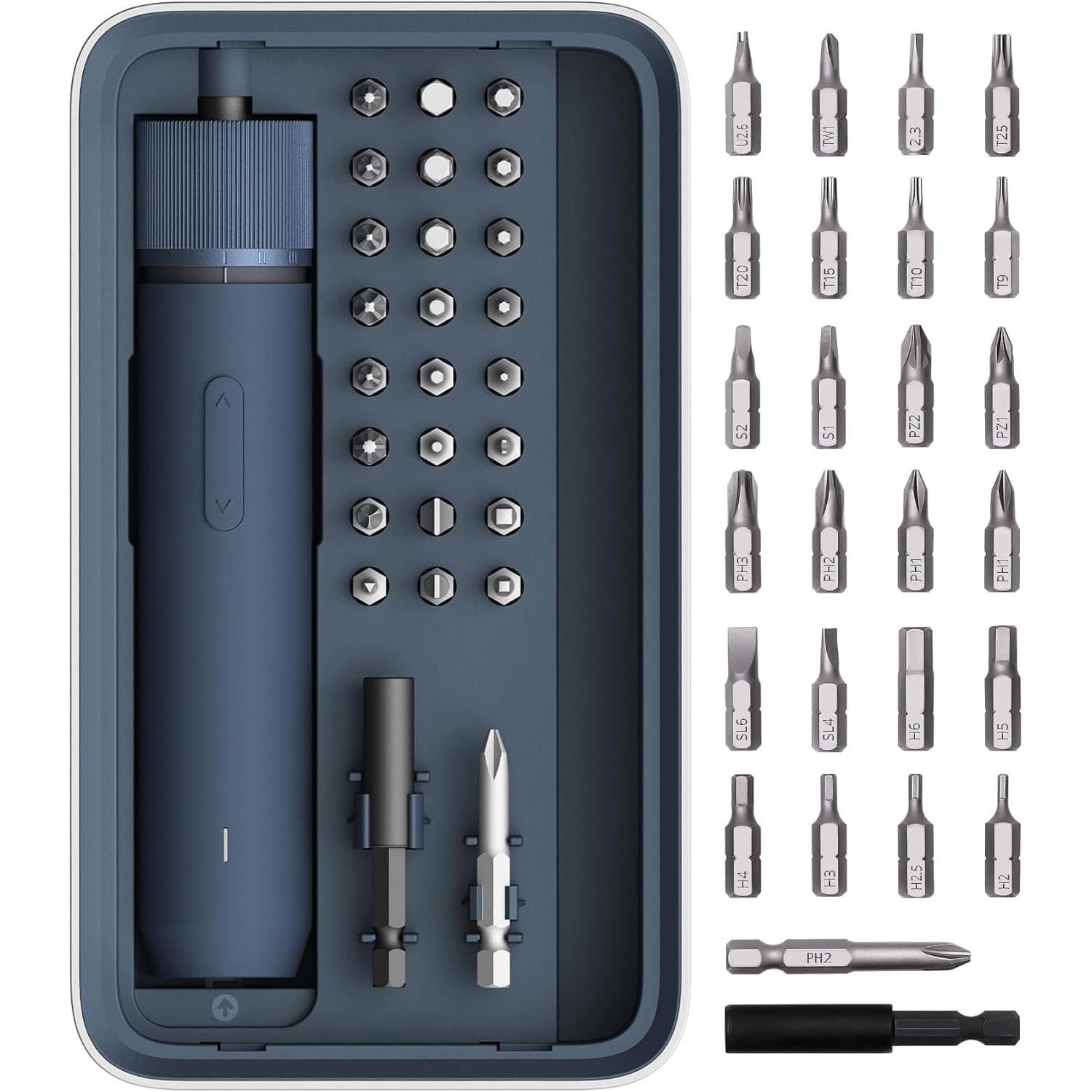
Another advantage of an electric screwdriver is that the majority of models come with all the bits you’ll need, so you won’t have to make additional purchases for these accessories. Power drills rarely come with all the drill heads and bits, unless you buy a bundle.
Skil Twist 2.0 Rechargeable 4V Screwdriver
Hoto 25-Piece Upgraded Electric Screwdriver Kit
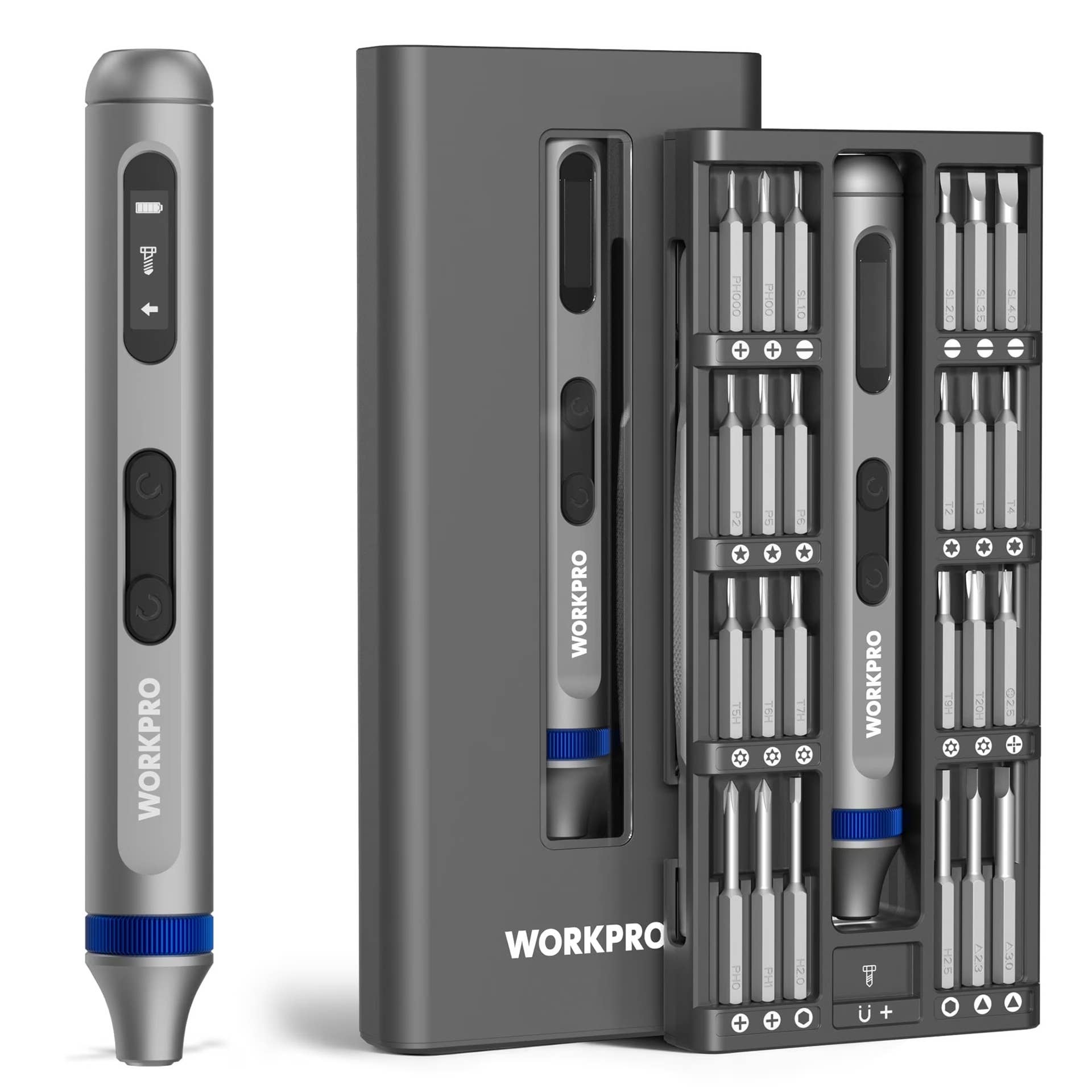
Workpro 3.7V Electric Precision Screwdriver Set
The three biggest advantages of a power drill are:
- It has a more powerful motor
- It is adaptable to a variety of materials.
- It has improved versatility with multiple functions.
Power drills are designed for completing heavy-duty jobs, so they have a more powerful motor and stronger torque (or rotations). If you had a screw and a piece of durable plywood, power drills are strong enough to drive it in without pre-drilling a hole, but an electric screwdriver would likely fail at this task, unless it’s a softer wood.
It’s not just wood that a drill can bore through. They can also be used on sheet metal, plastic, fiberglass, and drywall. While there are drills designed for driving into extra-hard surfaces, like tile, glass, or brick, your typical power drill likely won’t be a good fit for these materials.
A drill doesn’t just tighten and remove screws — it’s also a go-to tool for drilling holes. Power drills will come with interchangeable heads, but you often need to buy these separately for each specific job. With the right attachment, you can even use a power drill to mix paint, sand walls, or brush rust off metal.
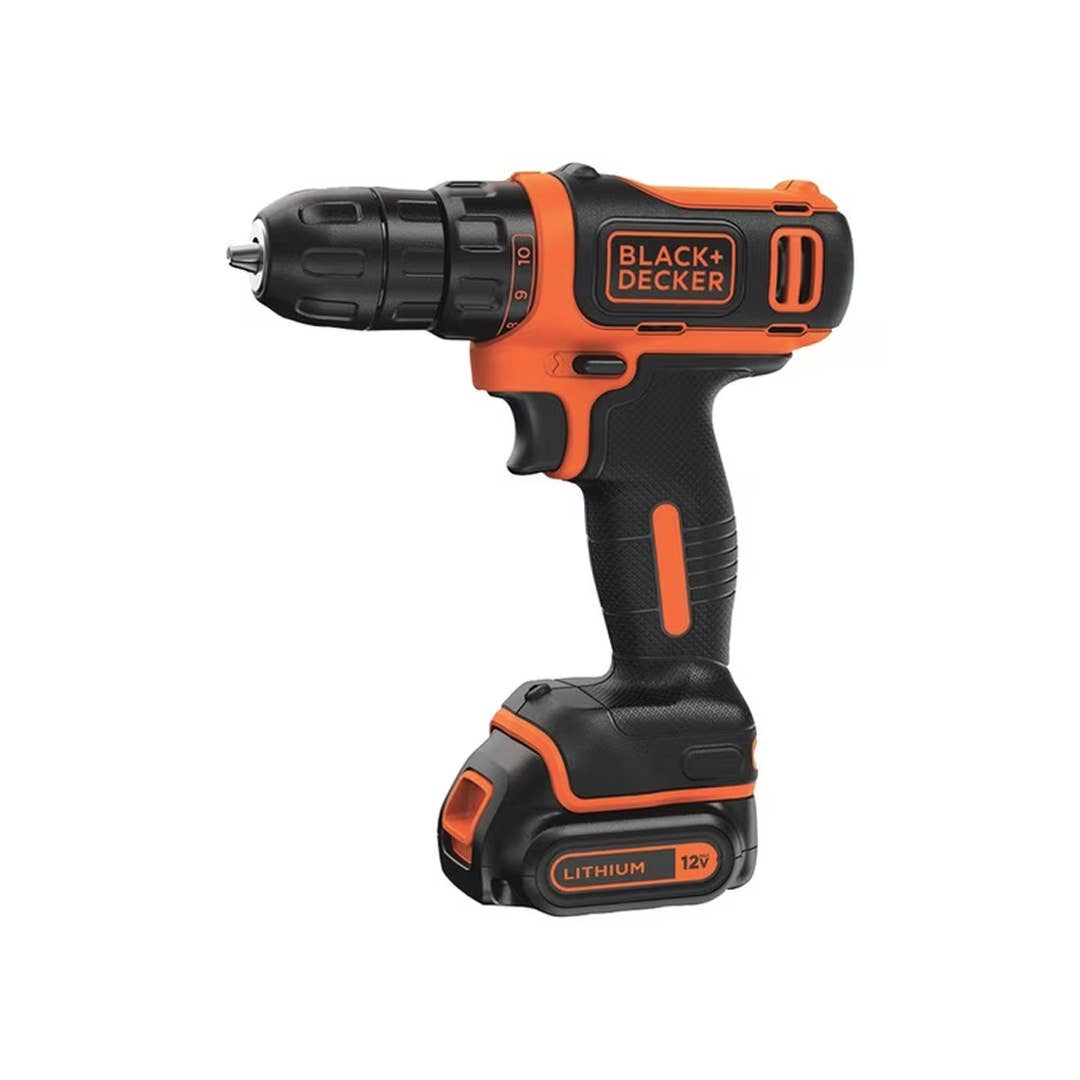
Black + Decker 12V Max Lithium Cordless Drill
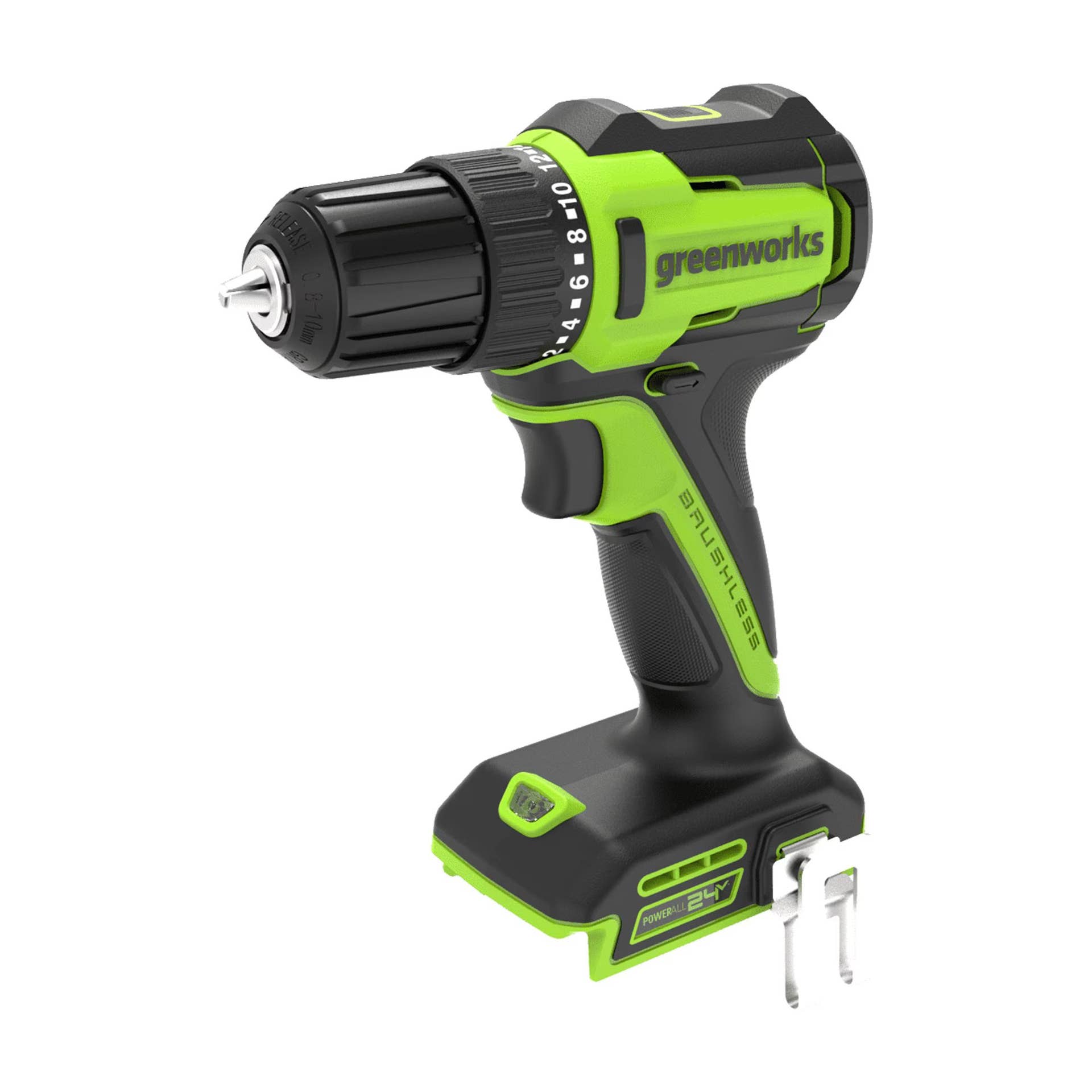
Greenworks 24V Drill and Bit Set
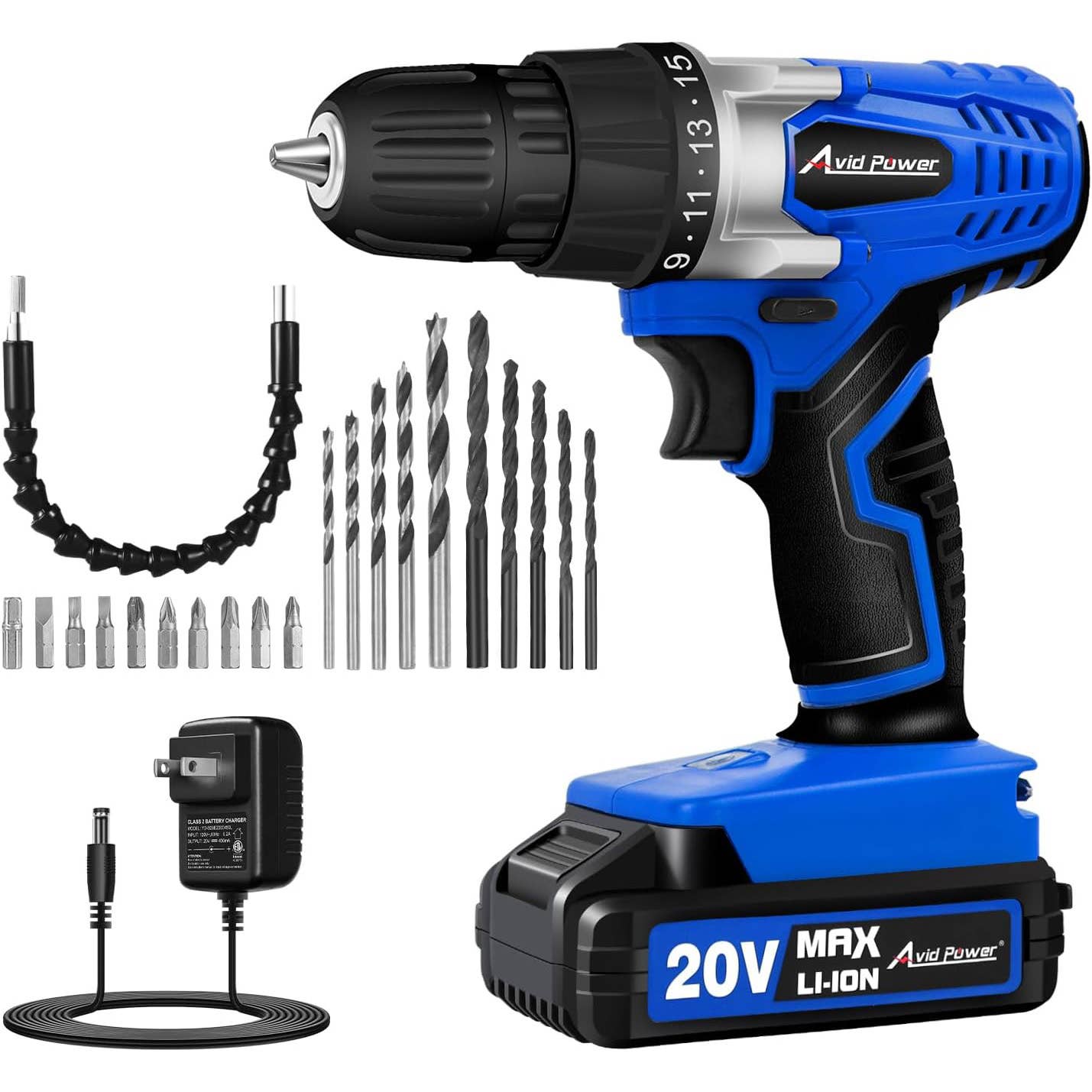
Avid Power 20V Cordless Drill Set
Is an electric screwdriver or power drill right for you?
Determining if an electric screwdriver or power drill is the better choice all comes down to how you plan to use the tool. An electric screwdriver is the superior selection if you only need to tighten and remove screws, whether you’re disassembling a computer, putting together furniture, or fixing loose hardware in the kitchen. For those who need something for completing home renovations, like adding shelves to the wall or mounting a new door, you’ll want the increased performance of a power drill. That being said, it never hurts to have both tools ready to go in your toolbox for whatever projects come your way.
TheStreet Shopping is your guide for shopping insights and advice. We look beyond the price tag to find the best value in home, tech, and wellness gear based on product features and real-world use.