TheStreet aims to feature only the best products and services. If you buy something via one of our links, we may earn a commission.
Long-lasting, versatile in use, and capable of excellent heat retention, cast iron is the natural choice in material when it comes to your cookware. Although folks can feel apprehensive about the treatment that select cast iron dishes need to undergo to maintain their quality over time, the material lends itself to a lot of great capabilities and makes it a worthwhile investment if you want to make sure that your pots, pans, and other dishware don’t need to be replaced year after year.
It can be hard picking the right cookware for your kitchen, especially since many single or multi-piece sets can cost a small fortune. But the great thing about cast iron items is that they’re not just highly affordable, costing as little as $20 for a standard skillet pan, but because they are virtually indestructible, whereas other models would get worn out or damaged overtime, you save you money because you don’t have to worry about repurchasing new ones. People traditionally think of a standard, black cast iron skillet when you talk about cast iron cookware, but these days there are tons of different types, and not all require that extra seasoning and elbow grease that the stereotypical skillet has been known for.
What types of cast iron cookware exist?
There are two types of cast iron cookware — traditional or seasoned cast iron and enameled cast iron. The traditional cast iron is the rustic-looking, black metal skillet that comes to mind when you hear think of cast iron cookware. These versions require a seasoning layer, which is typically oil baked into the metal, to create the non-stick surface that cast iron is known for and to prevent rusting. You can purchase them completely bare, where you have to season the pan yourself, or you can purchase them pre-seasoned so they’re ready for immediate use. Seasoned cookware requires a bit more upkeep because it requires a light coat of oil for further use after every cleaning. It’s ideal for searing proteins, baking cornbread, and campfire-style cooking. The pre-seasoned versions are the most common skillet model purchased, but with other styles of cookware using cast iron more and more, enameled cast iron is the other option seen in dutch ovens, casserole dishes, grill pans, griddles, and more.
Enameled cast iron is cast iron that is coated with a hardened, porcelain-glass glaze. The glaze acts as a protective, non porous seal over the cast iron and doesn’t require any seasoning. It’s ideal for situations where you are slow-cooking, braising, or simmering liquid-heavy dishes. In comparison of the two, the seasoned traditional cast iron is more indestructible than the enameled since the glass glaze coating can chip or scratch under extreme temperatures, as well as being more affordable. Enameled cast iron cookware is better for highly acidic dishes because the acid from food can strip the seasoning in the traditional cast iron and add a metallic taste to the dish.
How do they work?
Cast iron is a heavy, brittle metal with a bit of a rough, pebbled texture, and it’s used in cookware because of how well it not just holds heat but evenly distributes that heat throughout a pan. The ultimate choice for high-heat cooking methods like searing, frying, crisping, toasting, and browning, although cast iron takes longer to heat up compared to stainless steel or aluminum, it holds that heat extremely well ensuring even cooking, maintaining a stable temperature. Even placing cold food, like a raw piece of protein, doesn’t cause the pan to lose heat, which is why it can so effectively do things like sear a steak. Additionally, since you don’t need to put your burner up to as high of a heat to effectively cook, it eliminates the risk of burning.
Cast iron is naturally nonstick because of its slightly porous quality, which means your food won’t stick or solidify to the pan and it makes for a far easier cleanup. They’re also easily typically oven safe, so you can start a dish on the stovetop and transfer it directly into the oven to finish cooking it or keep it warm.
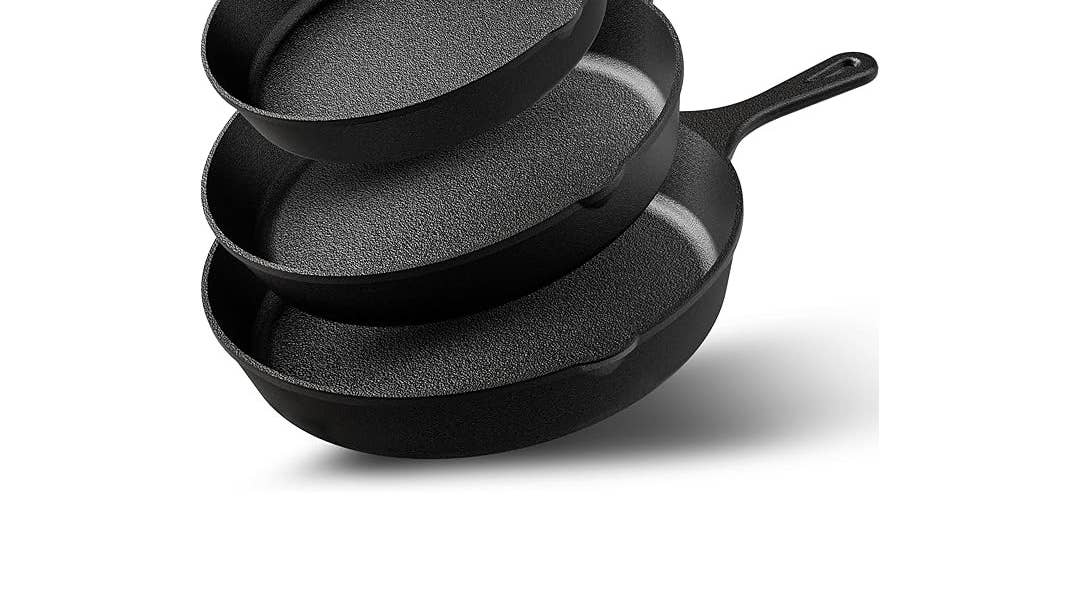
Utopia Kitchen Premium Cast Iron Skillets (3-Piece Set)
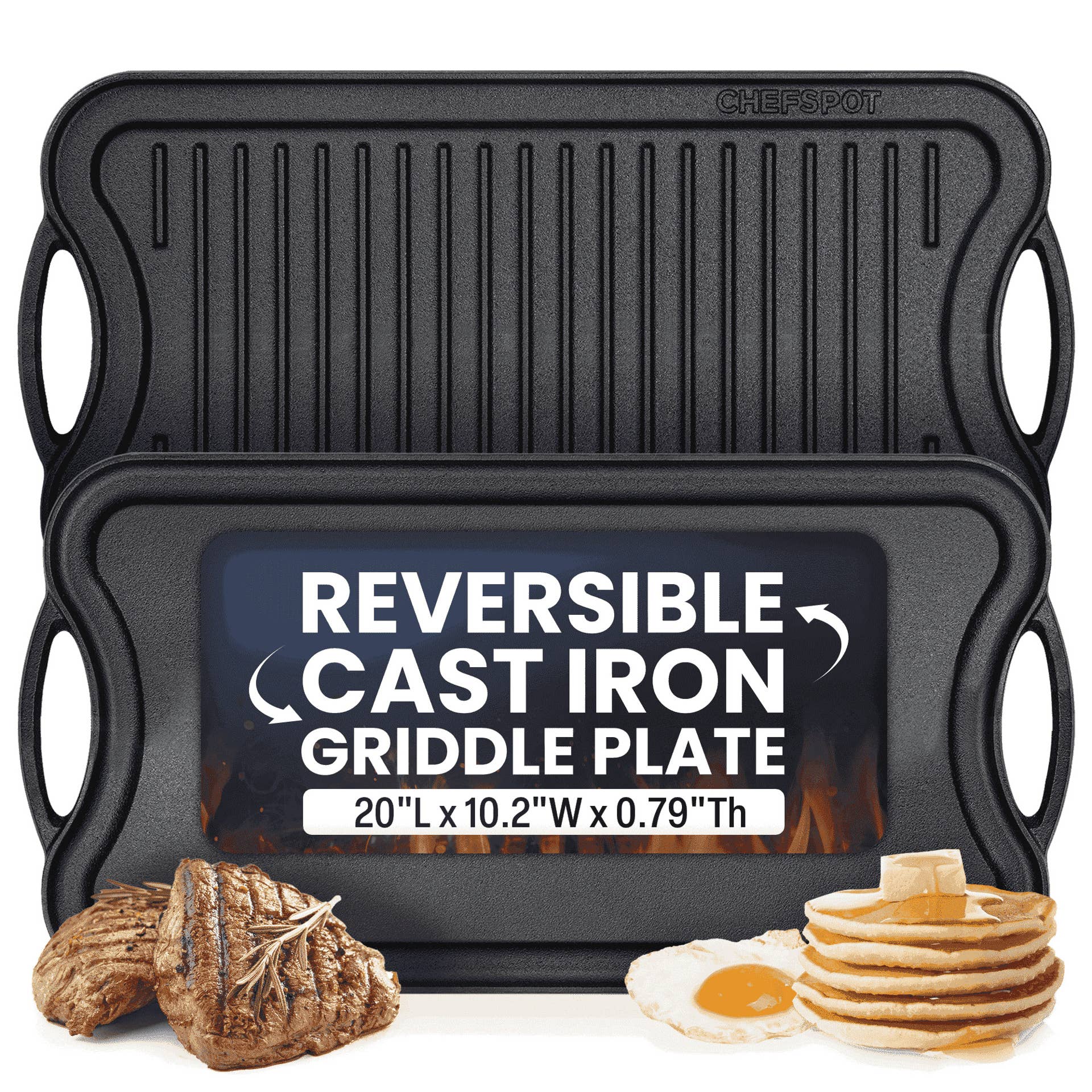
Chefspot Pre-Seasoned Cast Iron Grill and Griddle Pan
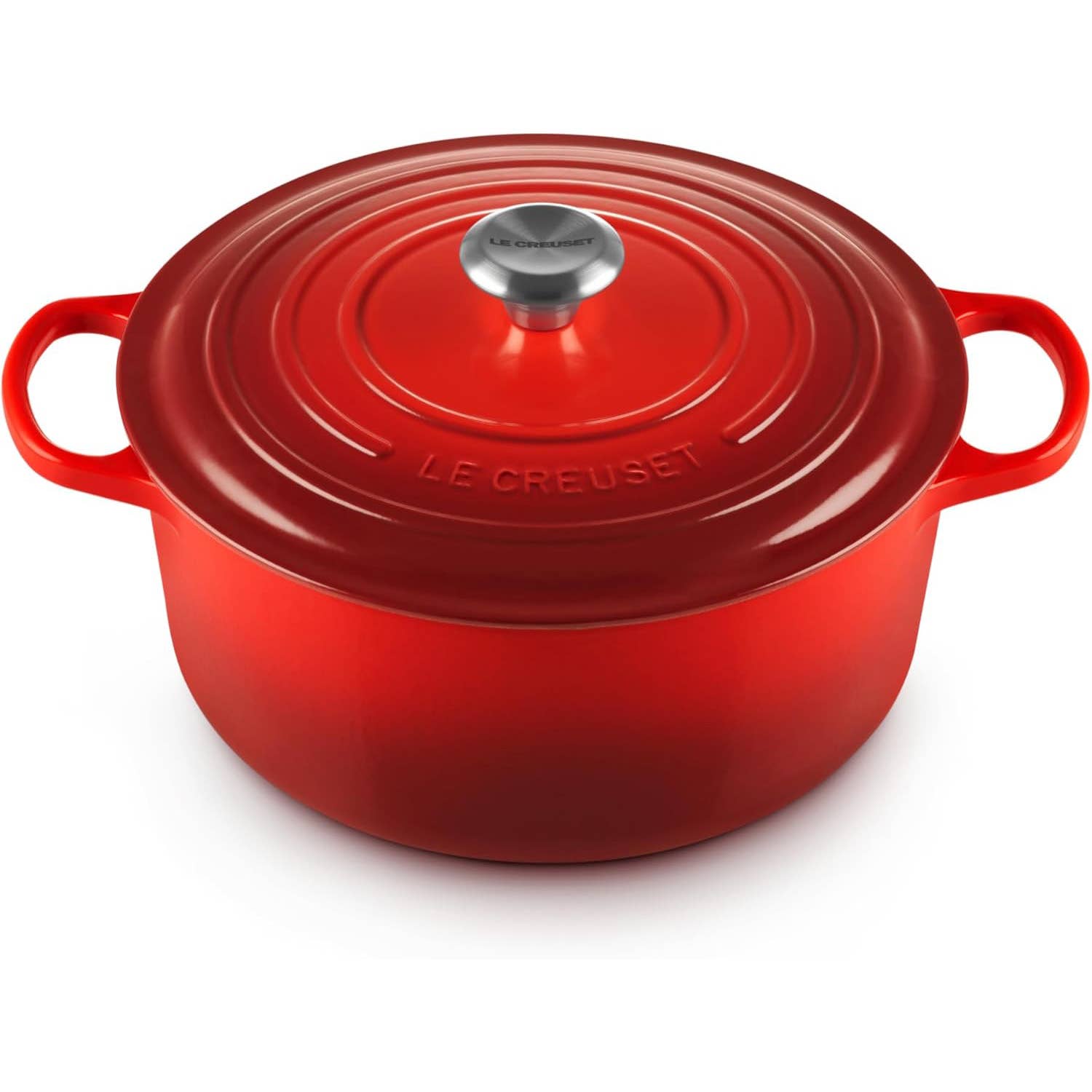
Le Creuset Enameled Cast Iron Dutch Oven
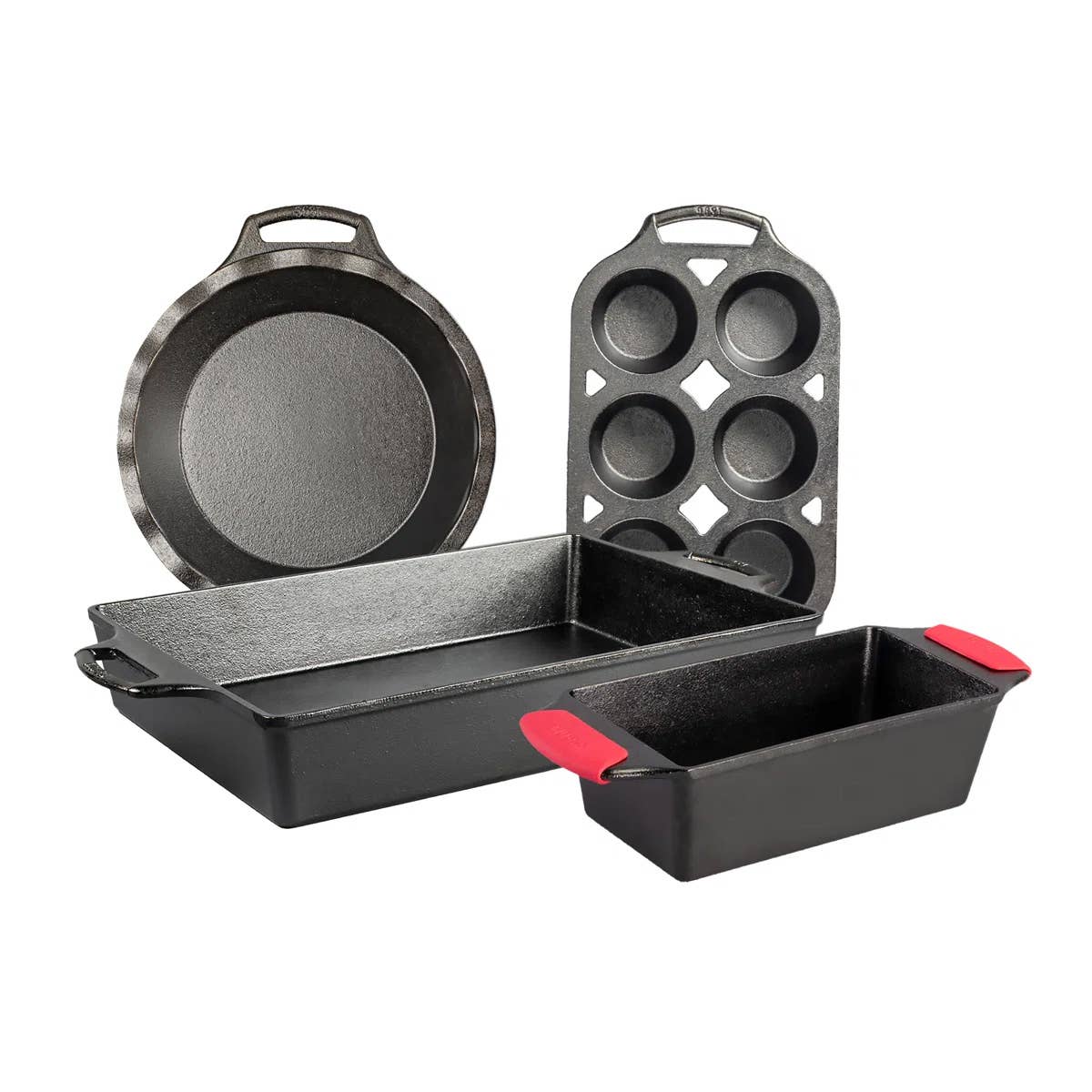
Lodge Cast Iron Baker’s Favorite Set
How do you clean them?
For both traditional and enameled cast iron it’s best to handwash when cleaning. Enameled cast iron can technically be labeled as dishwasher safe, but most manufacturers strongly recommend against it because the intense heat harsh detergents can dull and ruin the enamel coating.
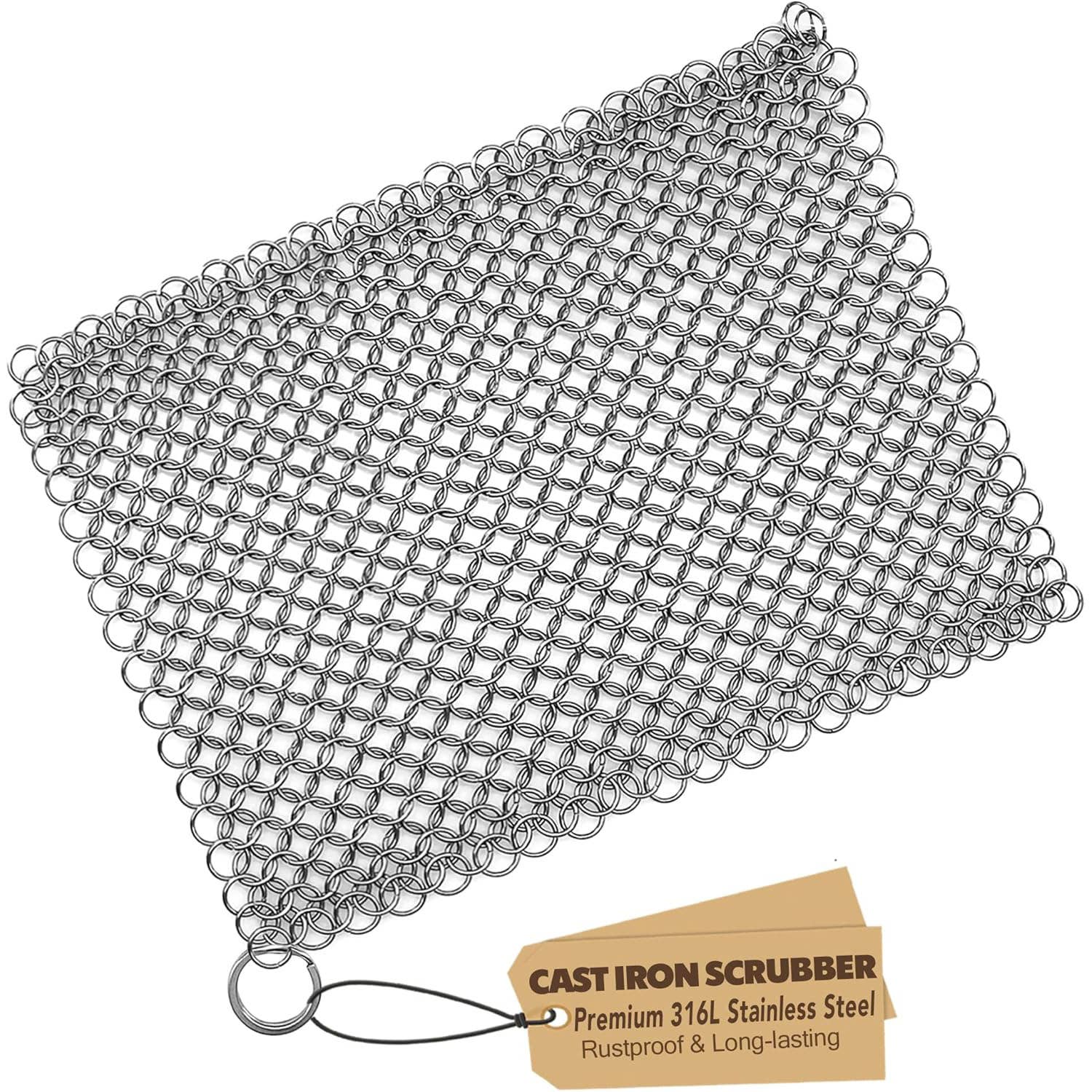
To maintain its quality, always wash by hand with warm water and a little bit of mild dish soap. There’s long been a myth that you can’t use soap or it will strip the seasoning layer on the traditional style, but that has been debunked. A few pumps of some mild soap and a stiff bristle brush can help clean off grease, gunk, and stunk on food and still keep your cookware in pristine condition. Avoid abrasive scrubbers like wire brushes, copper pads, and steel wool and opt for chainmail scrubbers or a nylon scrub brush. You can also use coarse salt and a power towel. Never let your cast iron soak in the sink with water, and once it’s cleaned, dry it immediately or it could potentially rust. Seasoned cast iron needs a light coating of oil while the cookware is still warm. Simply use a paper towel to rub a very thin layer of vegetable or canola oil over the surface, let it cool, and store in a dry place. Enameled cast iron can cool before washing, but, like with seasoned cast iron, dry promptly after cleaning.
Topulors Cast Iron Scrubber
TheStreet Shopping is your guide for shopping insights and advice. We look beyond the price tag to find the best value in home, tech, and wellness gear based on product features and real-world use. Read more about our Editorial Standards and How We Choose Our Shopping Deals.