Kitty litter and food for my 18-year-old cat, Caroline, usually weighs more than the rest of our groceries put together. Having those items delivered right to our door makes sense, and during the Covid pandemic, it was sometimes a necessity.
Tens of millions of other pet owners discovered the same thing during the lockdown and social distancing period, which shifted the pet supplies industry toward Amazon and Chewy and away from traditional brick-and-mortar chains.
“Online pet food and pet care spending took off during the pandemic and has never looked back,” according to data from Future Market Insights (FMI).
And that’s a global phenomenon: Online retailers now command a 50.6% share of the global pet food market, “driven by auto-replenishment behavior, deeper assortment visibility and easier access to premium and specialist formulations,” FMI added.
That’s a blow to brick-and-mortar chains like Petco, which used to control those sales. Now, Petco has one major edge over its online rivals, and the company’s cash flow struggles caused it to slow down its efforts to expand its in-person vet-care business.
Petco offers in-person services
While Amazon and Chewy can fill pet prescriptions, neither online retailer can provide in-person veterinary care. Petco has that ability, but has paused its efforts to build new hospitals.
Bank of America Securities Research Analyst Kendall Toscano raised concerns about that back in April 2024.
“We think Petco has lost much of its competitive bite,” Toscano said, according to Retail Dive.
At that time, “Petco’s move to slow its plans for new vet hospitals in order to protect free cash flow” was predicted to result in “negative consequences,” analysts from S&P Global Ratings and Bank of America Securities said, Retail Dive confirmed.
Bank of America’s Toscano called the move “another worrisome sign,” saying the vet hospital initiative “helps lift sales and differentiate the company” from the online and mass-market players.
Service revenue has been growing for Petco, while product revenue has fallen, according to Petco’s fourth-quarter earnings report.
Petco service revenue:
- Q4 2025: $255.9 million vs. $241.9 million in Q4 2024, up 5.8%
- Full year 2025: $1.025 billion vs. $999.6 million in FY2024, up 2.6%
Petco product revenue:
- Q4 2025: $1.259 billion vs. $1.310 billion, down 3.9%
- Full year 2025: $4.936 billion vs. $5.117 billion, down 3.5%
Petco currently operates about 300 vet hospitals. Grooming and vaccination are also part of its service revenue line.
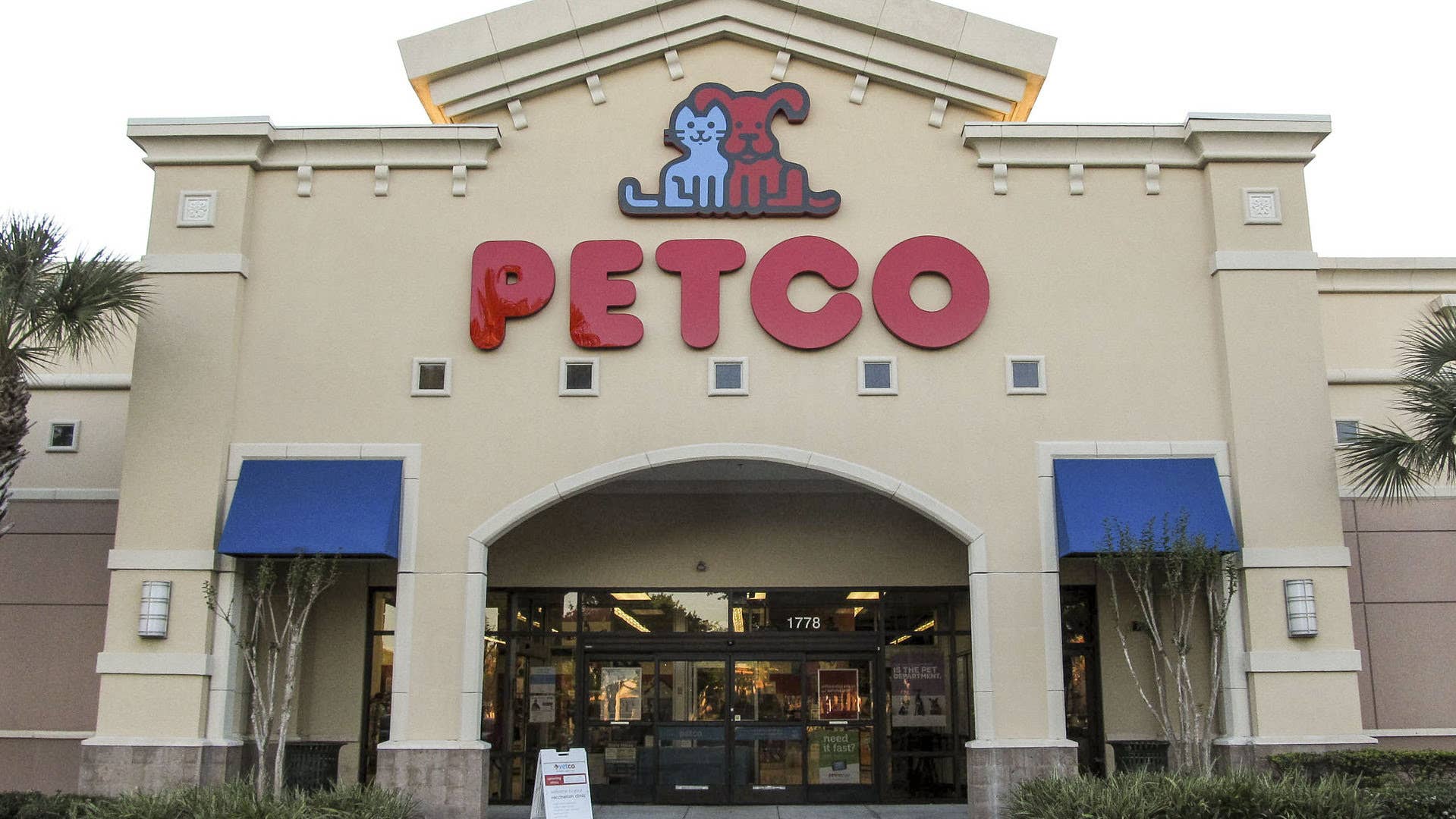
Shutterstock
Petco stopped building new hospitals
In 2026, Petco completely stopped building new vet hospitals, but it does have plans to start again.
“On the vet hospital side, the strong performance we are driving today helps fuel our future expansion plans, which are on track to resume in 2027,” CEO Joel Anderson said during the chain’s first-quarter earnings call.
The chain has been working on improving its existing portfolio of hospitals.
“We continue to see improving productivity across our footprint, and we are on track to optimize about 25 significantly underutilized hospitals this year. Crucial to this effort is our veterinary team, and we are pleased to share that doctor days, which is a combination of hiring additional doctors and adding hours per doctor continues to improve,” he added.
Anderson made it clear that he understands the importance of Petco’s service business.
“Simply put, services are an important growth engine of ours. They are a massive point of differentiation and a competitive advantage. Through our wholly owned services model, we own the entire pet journey,” he added.
Petco protects cash flow
Building a vet hospital costs significant money.
Former Petco CFO Brian LaRose spelled out those costs during the chain’s fourth-quarter 2023 earnings call.
“You know what that math is. It’s $600,000 per bed, another $600,000, $700,000 for the center store build-out,” he said.
Petco has been protective of its cash.
“Our first quarter ending cash balance was $167 million, an increase of approximately $33 million versus the first quarter last year. For the quarter, free cash flow was an outflow of $69 million,” CFO Sabrina Simmons said during the chain’s Q1 earnings call.
The company has significant debt, but has improved that.
“Total liquidity for the first quarter was $654.4 million, up versus the prior year. For the quarter, total debt was $1.48 billion, down over $100 million compared to Q1 last year,” she said.