Oil was at $107 a barrel in May. Tankers were sailing thousands of miles out of their way. Refiners in Asia were bidding up whatever crude they could find that did not have to pass through the Strait of Hormuz.
None of that is true anymore. Brent settled near $68 on July 6. The Strait is open. And JPMorgan’s commodities team is now warning about too much oil, not too little.
JPMorgan warns of an oil glut as Hormuz barrels flood back
Natasha Kaneva, who heads commodities research at JPMorgan Chase, sent clients a note on July 4 spelling out the problem.
“The market is facing the risk of a temporary glut as trapped oil finally re-enters a system that has already spent months learning how to function without it,” she wrote. “The barrels now exiting Hormuz increasingly have nowhere to go except China. But China is not buying.”
More Economy:
- JPMorgan doubles down on economy, inflation outlook
- Central bankers grow nervous about AI funding
- BofA sees new trends forming in the K-shaped economy
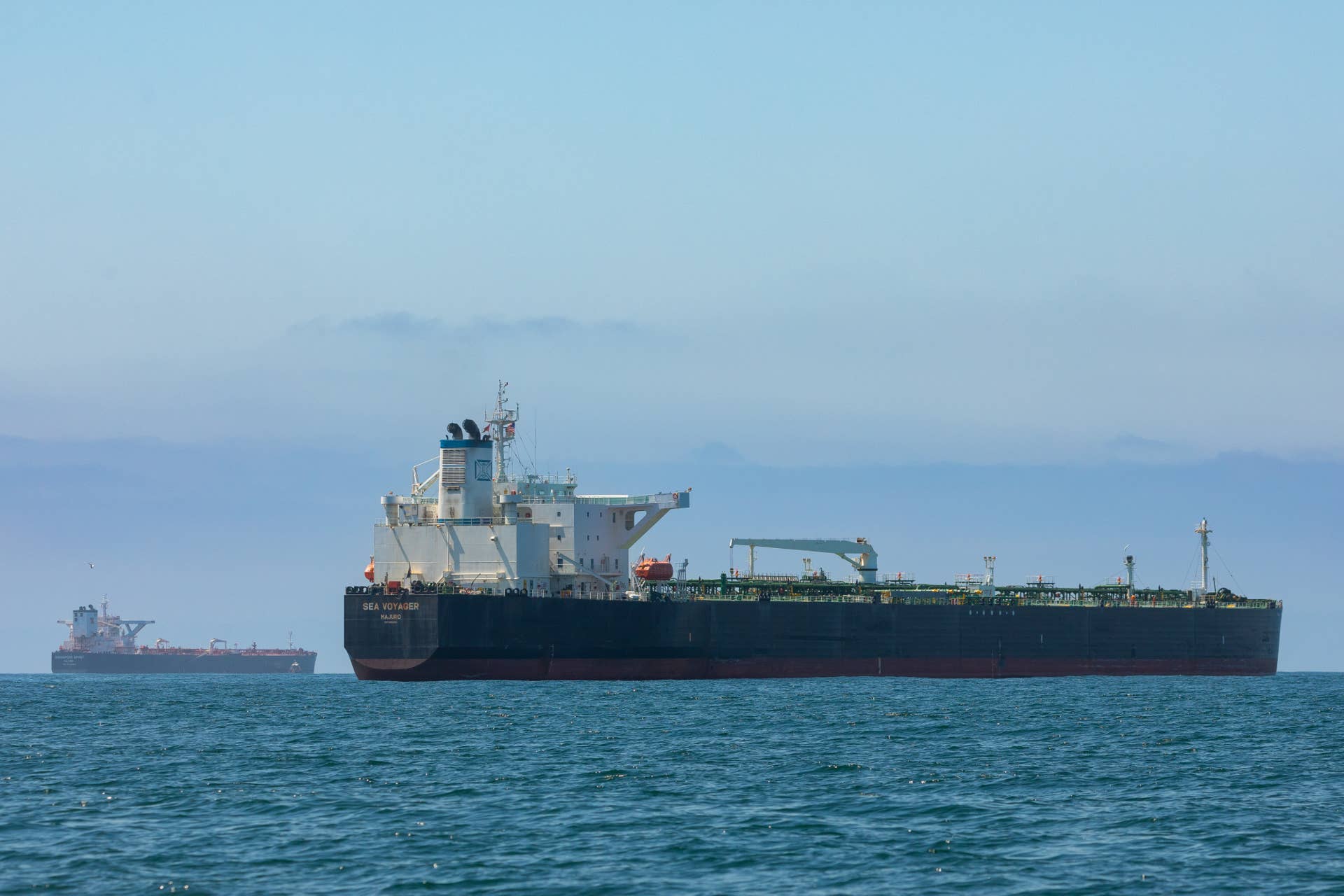
More than 60 million barrels sat effectively frozen since February, when the war with Iran began shutting down Strait traffic.
Those barrels are now moving.
Saudi Arabia is back to roughly 90% of pre-war export levels. The UAE has fully restored shipments, with more than 3.9 million barrels per day flowing through the Strait and a bypass pipeline. The US Strategic Petroleum Reserve, which launched a 400-million-barrel emergency release when the crisis started, is still running even though the crisis is largely over.
The EIA put the global surplus at nearly 4 million barrels per day for 2026. Last week OPEC+ approved another production increase of 188,000 barrels per day for August.
China is not buying oil, and that is the core problem
The physical market is where you see how bad it has gotten. UAE crude shipped to Hawaii, looking for a buyer. A Venezuelan cargo sailed over 10,000 miles to India, sat for two weeks, and left without one. Omani crude is trading at a $4 discount to Dubai, the biggest gap since 2020. Congo’s Djeno grade hit a $14 discount to Brent last week, a record.
Before February 28, China was the buyer that kept Middle Eastern crude flowing. When the war started, Chinese imports dropped by roughly 5 million barrels per day. Five months later, they have not recovered.
“Chinese buyers remain conspicuously absent,” Citigroup wrote in its own July note. “Without a meaningful return of Chinese demand, the incremental barrels being pushed into the market simply deepen the emerging surplus.”
Brent futures have moved into contango, with near-term prices below future delivery prices. Oil traders store barrels when that happens. Weekly EIA inventory data is already showing builds.
Rue/Getty Images
What falling oil prices mean for the US economy
Gasoline prices have not fully followed crude down yet, but they will.
Crude oil accounts for more than half of what drivers pay at the pump, and the EIA is forecasting a 6% drop in US retail gas prices for 2026 compared with last year. It just takes longer for pump prices to fall than it does for them to rise. Traders have a name for it: rockets and feathers.
Lower crude costs feed through to trucking, food distribution, and manufacturing. If oil stays in the high $60s, that is real downward pressure on costs that have been elevated since the war began.
The part that does not feel like relief is in Texas, New Mexico, and Oklahoma. Yale University’s Budget Lab has documented how quickly capital leaves the shale patch when crude drops. Drilling budgets get cut. Rig counts fall. People get laid off. The gas savings consumers see at the pump do not make up for that in oil-dependent communities.
The Federal Reserve is in a complicated spot. Cheaper energy pulls headline inflation lower, which normally builds the case for rate cuts. But the Fed has been burned before by moving on energy-driven inflation that reversed course. If $68 oil holds through August, it becomes harder to ignore. If China comes back and crude rebounds, the window closes.
How long oil glut lasts depends on China
JPMorgan is calling it temporary, and there are real reasons to think it could be. The 60-million-barrel release from Hormuz was a one-time event, not an ongoing production increase. The IEA expectsSPR releases to taper off sharply within a month, which cuts one big source of supply pressure.
Kpler senior analyst Homayoun Falakshahi told Bloomberg that Chinese demand looks close to a floor. Middle Eastern crude is cheap right now. The economic case for Chinese refiners to start buying again is getting hard to pass up.
But cheap oil has not brought them back yet. OPEC+ is still adding barrels every month. Global oil demand is on track to fall by 1.1 million barrels per day in 2026, per the IEA, as economies slow and more drivers switch to EVs. Saudi Arabia and its OPEC+ partners have not started talking seriously about production cuts. Until one of those things changes, the surplus does not go away on its own.