The world’s largest sportswear company has accelerated a wave of store closures across the U.S., shutting down roughly a dozen locations in a single month as it works to reshape its retail footprint.
The move comes at a time when competition across the athletic apparel industry is intensifying. Established rivals and fast-growing activewear brands have gained momentum by responding more quickly to changing consumer preferences, putting pressure on longtime market leaders to modernize their products, shopping experiences, and operations.
As a result, one of the industry’s most recognizable brands is making significant operational changes in response to those industry pressures.
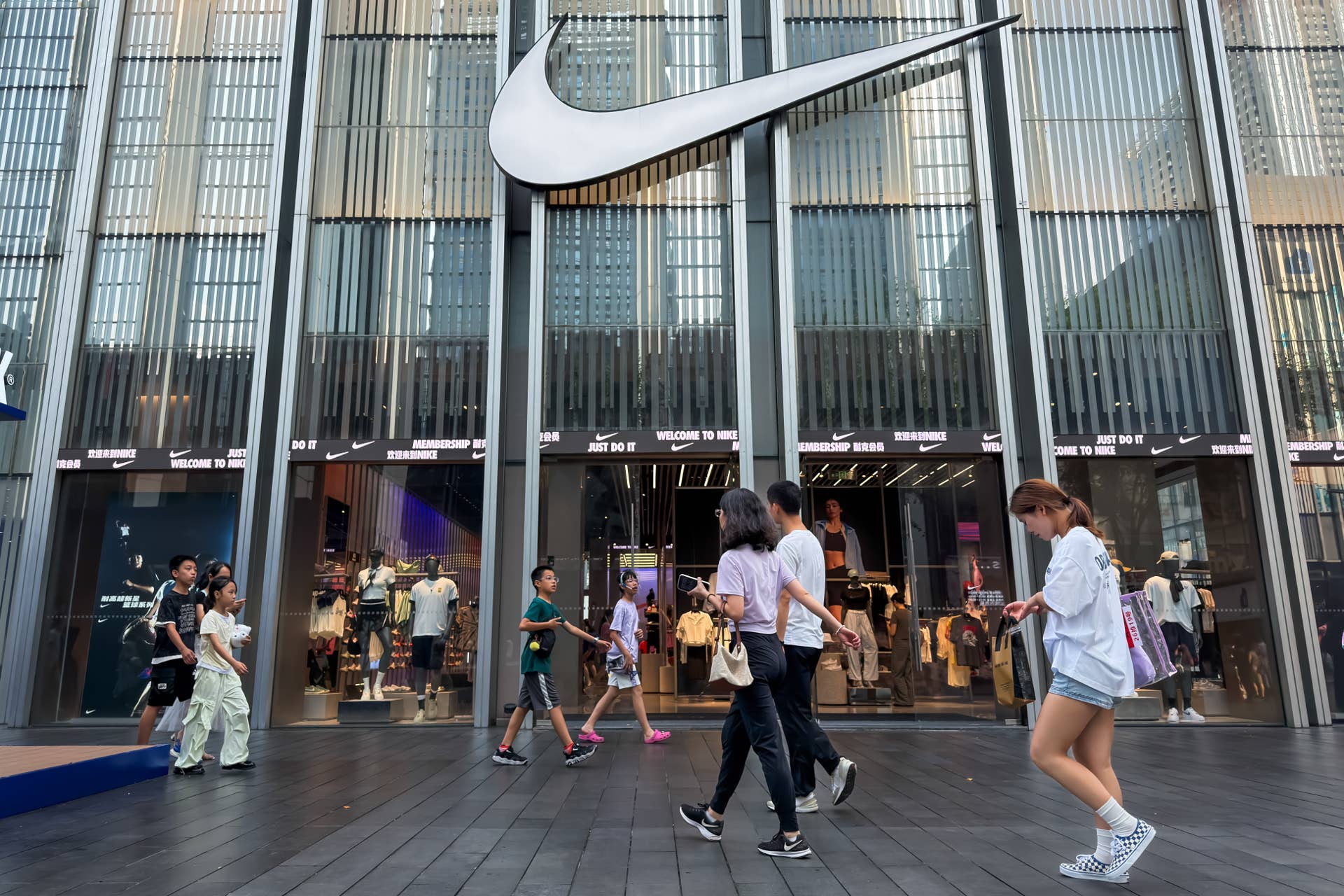
Founded in 1964 as Blue Ribbon Sports before adopting its current name in 1971, Nike has grown into the world’s largest sportswear company. The company owns globally recognized brands including Nike, Jordan, and Converse, and its products have been worn by generations of elite athletes, including Michael Jordan and LeBron James.
Nike closes stores nationwide
Nike (NKE) has closed multiple stores during July 2026 alone, including locations in:
- San Jose, California: 333 Santana Row, Suite 1000
- Tampa, Florida: 1520 W Swann Avenue
- Atlanta, Georgia: 675 Ponce De Leon Avenue NE, Suite E-184
- Alpharetta, Georgia: 7110 Avalon Boulevard
- Naperville, Illinois: 217 S Main Street
- Louisville, Kentucky: 7900 Shelbyville Road, Suite E15a
- Kansas City, Missouri: 450 Nichols Road
- Bethesda, Maryland: 7117 Arlington Road, Space U
- Hoboken, New Jersey: 222 Washington Street
- Cary, North Carolina: 4 Fenton Main Street, Suite 140
- The Woodlands, Texas: 9595 Six Pines Drive, Suite 885
Nike has not disclosed how many additional stores it plans to close or which remaining locations could be affected later this year.
Why is Nike closing stores?
The closures are part of Nike’s Global Operations Changes announced in April 2026, a restructuring initiative designed to strengthen the company’s foundation, improve competitiveness, and support long-term profitable growth.
As part of the plan, Nike said it would realign its global operations to better meet future business needs by optimizing its supply chain footprint, accelerating technology deployment, investing in employee training, and strengthening relationships with manufacturers and retail partners.
The restructuring is also expected to eliminate approximately 1,400 Global Operations positions.
Since announcing those changes, Nike has continued streamlining its business. The company discontinued its Nike Fitness Studios venture, which launched with FitLab in 2023, and closed technology offices in three locations while consolidating operations into two hubs.
Nike faces continued business declines
The operational changes come after another quarter of declining sales across several key business segments, underscoring the challenges Nike is working to reverse.
During the fourth quarter of fiscal 2026:
- Revenue declined 1%.
- Footwear and equipment both posted negative growth.
- Nike Direct revenue fell 9%.
- Nike Digital was down 12%.
- Revenue from Nike-owned stores decreased 7%.
- Converse revenue dropped 32%.
“We know we’re not living up to our full potential,” said Nike President and CEO Elliot Hill during the company’s fourth-quarter earnings call. “We’re operating in a more complex macro environment, where we’re seeing added pressure on traffic and discretionary spending across our geographies. But we’re focused on what we can control, bringing each sport together across product, brand, marketplace, and operations and deepening our connections with athletes, consumers, and partners.”
Here’s some of my previous coverage of store closures:
- Former retail giant closes more stores
- Popular beverage chain closing multiple locations nationwide
- After years of store closures, fashion retailer shifts strategy
Despite the recent setbacks, Hill said Nike will continue investing in both its online business and brick-and-mortar stores. The company plans to modernize 50% of its Nike Direct company-owned retail fleet by the end of the fiscal year, creating a more consistent shopping experience across its physical and digital channels.