You already know the rule: Buy low, sell high.
Almost nobody follows it, and the reason is not ignorance. Low feels terrible while you are standing in it.
When something you own falls by half, the number on your screen stops being a price. It turns into a verdict on your judgment. Most people sell right there, not because the math changed, but because the discomfort finally outran the conviction.
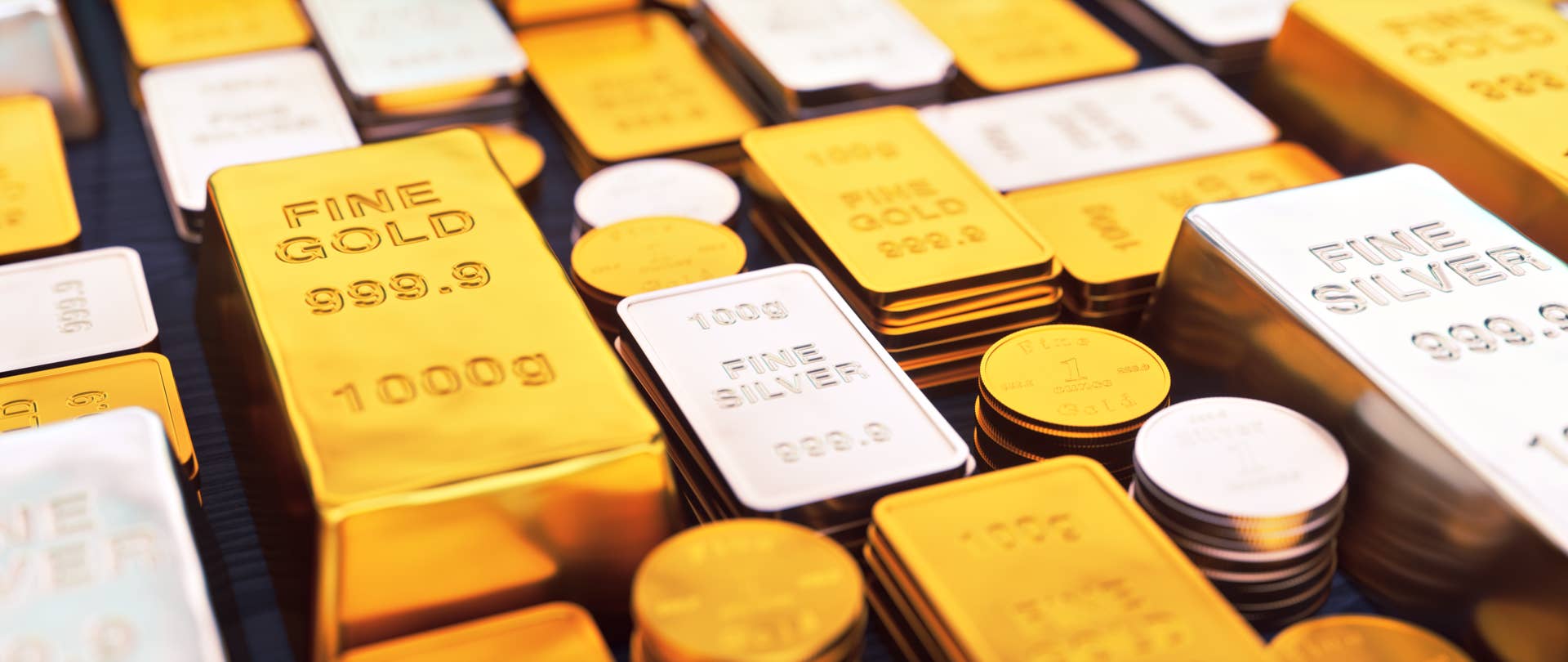
The metals market has been running that experiment on ordinary savers all year.
Gold and silver spent January in the kind of rally that ends arguments, then spent six months handing most of it back. Silver took the worse beating, falling by more than half from its January record. Gold gave up roughly a quarter, which still stings if you bought near the high.
That is the exact moment when confident advice usually goes quiet.
Instead, one of the loudest voices in personal finance announced he was buying. Robert Kiyosaki, author of “Rich Dad Poor Dad,” told followers on X that he added to both metals during the drop.
Why gold and silver fell so hard this year
Metals do not fall for mysterious reasons. They fall when the alternative starts paying.
Gold and silver hand you nothing while you hold them. No dividend, no coupon, no interest.
Their entire case rests on what is happening to the cash you would otherwise sit on. When inflation runs hot and real yields sink, that case is powerful. When the central bank turns hawkish and Treasury yields climb, it weakens fast.
More Gold and Silver:
- Gold’s record run has dark side few investors see
- Goldman Sachs revisits its gold price target after Fed decision
- Silver price hits new low, here is what comes next
The second version has defined 2026. Inflation is running at 3.7%, far above the Federal Reserve‘s 2% goal, according to Forbes. The Fed under Chair Kevin Warsh has held its target range at 3.50% to 3.75% and quietly moved the conversation from cuts to hikes.
Every month that story holds, the cost of owning something that pays you nothing goes up. That applies whether you own bullion, coins, or shares of SPDR Gold Shares (GLD) and iShares Silver Trust (SLV) in a brokerage account.
Related: Robert Kiyosaki flips his gold stance after weeks of waiting
Silver fell twice as far as gold for a reason worth understanding before you buy either one. Silver trades as money and as an industrial input, so it absorbs the rate story and the manufacturing story at once.
When solar and electronics demand softens while rates rise, silver takes the hit from both directions.
The war complicates all of it. U.S. strikes have continued for more than a week and Defense Secretary Pete Hegseth requested an additional $67 billion in war funding, reported Yahoo Finance. Conflict lifts safe-haven demand, then lifts oil, then feeds the inflation that invites tighter policy.
What Robert Kiyosaki says he bought
Kiyosaki did not announce a target this time. He announced a transaction.
“During this last ‘retracement’ or ‘crash’ I bought more gold and silver,” he wrote, according to BeInCrypto.
He credited the broader call to veteran investor Jim Rogers, arguing both metals climb sharply from here though not without “severe retracements,” reported Bitcoin.com News. Gold and silver are “going to the moon,” Kiyosaki added in his post on X.
The context makes it sharper. He spent June telling followers to wait for the chart to confirm a bottom before buying anything, as TheStreet highlighted; then bought into a decline that had not confirmed much of anything
Strip away the exclamation points and there is still a real argument underneath, and I have read enough of these posts to separate the two. The forecast is unfalsifiable. The behavior is not.
In my analysis, the useful part is the sequencing. He bought after the drawdown, not during the January melt-up when coverage was loudest and coins were most expensive. That is the reverse of what most retail buyers did this year, and it is a habit you can copy without adopting a single one of his price targets.
Whether that discipline is repeatable or simply well-timed is the open question. He has floated $35,000 gold and $200 silver before, and those numbers still read as marketing rather than modeling.
The numbers behind the metals selloff
Here is what this week actually looked like, and why the fundamentals and the price keep pointing in opposite directions.
- Gold traded at $4,131.10 an ounce on the morning of July 22, its third straight session higher, according to Yahoo Finance.
- Silver traded at $59.42 an ounce that same morning, more than $20 above its level a year earlier, according to Fortune.
- The global silver market is heading for a sixth consecutive annual deficit, projected at 46.3 million ounces, according to the Silver Institute.
- Central banks bought a net 244 tonnes of gold in the first quarter of 2026, led by Poland and Uzbekistan, according to the World Gold Council.
- Markets put roughly a one in three chance on a Fed rate hike at the July meeting, according to Forbes.
Read that list again and the tension is obvious. Supply keeps tightening and sovereign buyers keep accumulating, while the price spent six months falling.
What moved the price was policy, not scarcity. That distinction matters more to your account balance than any forecast, because policy can reverse in an afternoon and scarcity cannot.
What the Fed meeting means for your metals
The Federal Open Market Committee meets July 28 and 29. That is the next real test.
A hike, or hawkish language without one, pushes real yields up and gives both metals another reason to slide. A softer tone does the reverse, and January’s highs stop looking like a ceiling.
Neither outcome validates a $35,000 forecast. Both change what your position is worth by Christmas.
What I would take from this week is smaller and more useful than a price target. The people who got hurt in metals this year were not wrong about inflation or federal debt. They were wrong about their own tolerance for a 50% drawdown, and they found that out at the bottom instead of before they bought.
So decide now what share of your savings you can watch fall by half without touching it. Ten percent of a portfolio is a position. Half your net worth is a personality.
Kiyosaki bought this dip and got a fast bounce for it. The next one may take years to pay, and that gap between conviction and patience is where most household portfolios actually break.