Oil prices dropped hard on July 27. Too bad the declines brought basically no relief for motorists filling their gas tanks.
Retail prices could drop — if the declines are sustained, but it’s not clear that the declines will be long-lived.
It depends in part on whether President Donald Trump elects not to hit Iran with heavy strikes with bombs, missiles or drones.
Related: The war driving up gas prices isn’t the one you think
Trump himself said so, telling Axios, the United States “will return to ‘strong military action’ against Iran if diplomatic efforts do not bring a rapid resolution to the crisis in the Middle East.”
So, traders sold oil since there was no great reason to buy it in the lull. They can always buy at lower prices.
A weekend of attacks was postponed
Before July 24, the president had been expected to order more heavy bombing of Iran. Instead, he decided to see if Iran was serious about negotiating an end to hostilities.
And, as Arlan Suderman, chief commodities economist at StoneX in New York, noted, many investors generally “continue to read headlines through a filter of hope – desperately wanting to believe that peace is just around the corner.”
So, the bottom line on the day was this:
- Light sweet crude, the benchmark U.S. oil, fell 7.5% to $82.61 per 42-gallon barrel. That’s where the price seems to have found a support level in recent weeks.
- Brent, the global benchmark crude, fell 8.7% to $88.36 a barrel.
- Retail gas prices in the United States basically held steady. AAA had its national average price at $4.11, unchanged from July 26. GasBuddy’s price was $4.074 late on July 27, up slightly for the day. Prices for both are still up 45% on the year.
So, it is pretty clear that retailers and wholesalers of motor vehicle fuel were not willing to go big on lower prices because they know that, for weeks, the Trump Administration has declared the war with Iran essentially over, only to resume heavy bombing soon thereafter.
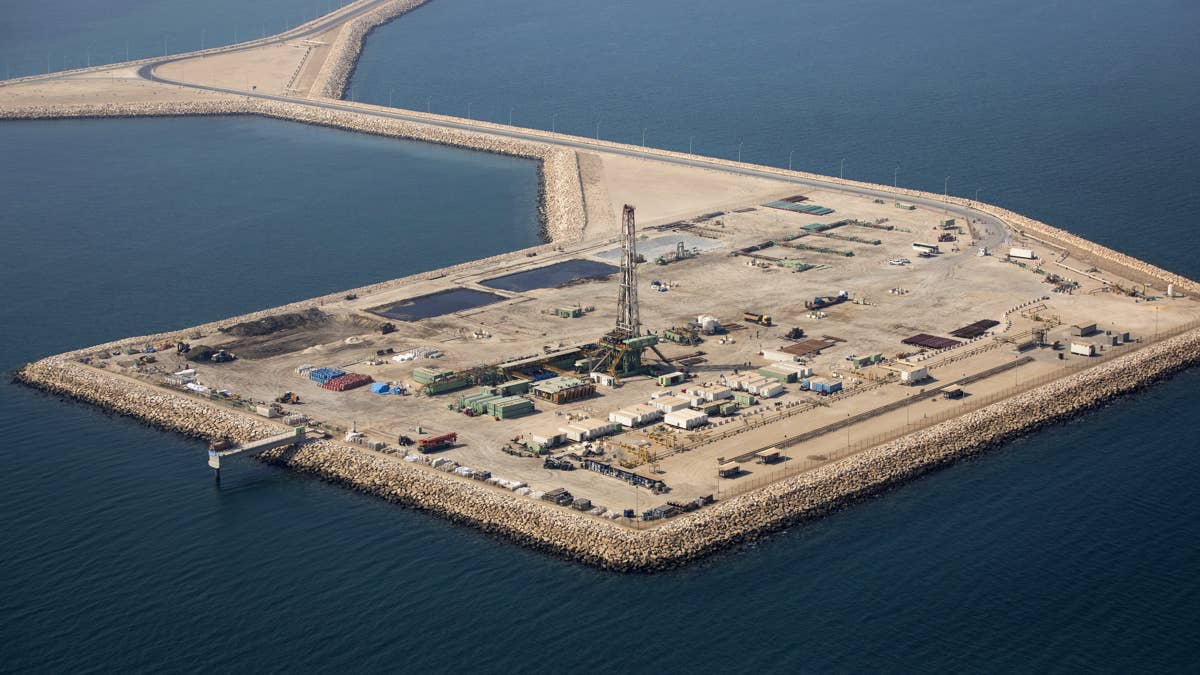
Simon Dawson/Bloomberg via Getty Images
Diplomatic moves ongoing
There is a fair amount happening on the diplomatic front. U.S. negotiators Jared Kushner (the president’s son-in-law) and Steve Witcoff are exchanging ideas with their Iranian counterparts via Pakistan.
Oman and Iran are talking about a new agreement on how to manage the Strait of Hormuz. Israel Prime Minister Benjamin Netanyahu is scheduled to visit the White House on Tuesday.
Before the war between Israel, the United States and Iran erupted on Feb. 27, about 20% of the world’s crude oil passed through the strait every day.
The big roadblock is the fees Iran and Oman might collect from ships passing through the strait. Iran’s coast forms the northern side of the strait. Oman forms the south side of the strait.
Stocks warily embrace hope
The lack of fighting and speculation about peace helped stocks mostly move higher.
The Standard & Poor’s 500 Index rose a modest 1 point to 7,413, weighed down by lower technology and energy stocks.
The Dow Jones Industrial Average added 263 points to 52,210 as Apple hit a new 52-week high.
Related: The costly, invisible crime happening time and time again