Markets are good at pricing barrels. They are terrible at pricing the machinery that turns barrels into something you can actually burn.
That gap is where the next fuel shock gets built.
For five months, nearly every headline about Middle East oil has been a headline about crude. The Strait of Hormuz, tanker counts, and Brent ticking up or down on whether the shooting stops.
Crude is the number that moves fastest and gets quoted most. It is also, right now, the number telling you the least.
Your grocery bill does not run on crude. It runs on diesel. Your flight does not run on crude either. It runs on jet fuel.
Both come out of refineries, and a refinery is a physical plant with power systems and storage tanks that a missile can take offline in an afternoon.
That distinction stopped being an academic one over the weekend, and it happened on the Red Sea coast.
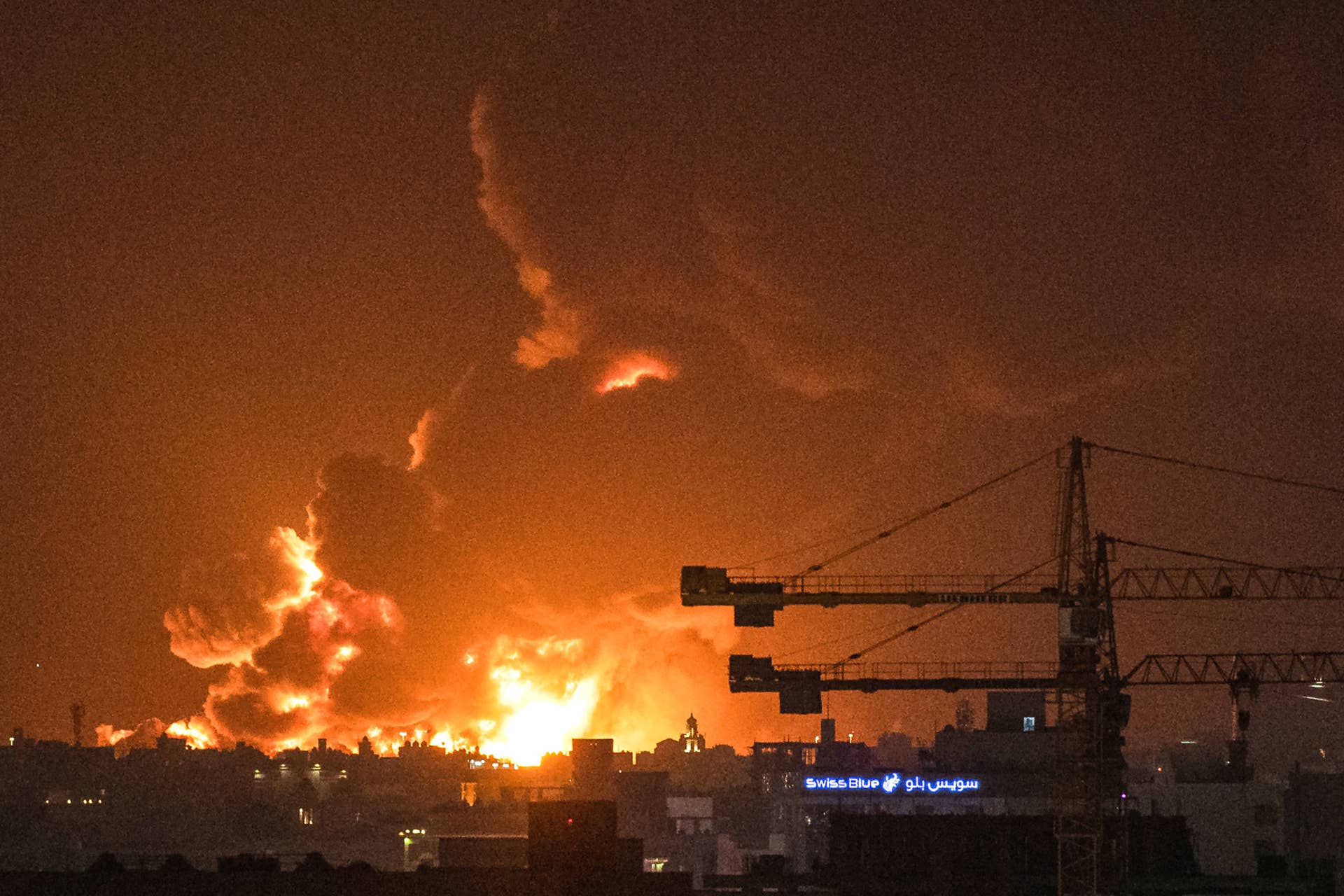
Saudi Aramco (2222.SR) shut its 400,000 barrel per day Jazan refinery on July 27 after an attack by Yemen’s Houthi militants on Saturday, a note from consultancy IIR seen by Reuters showed, according to the BOE Report.
Why a damaged refinery hurts more than a lost barrel of crude
Crude oil is fungible and storable. A tanker can sit at anchor for months, and a barrel from Texas will substitute for a barrel from the Gulf without anyone at the pump noticing.
Refined fuel does not work that way. Diesel has to move from a refinery to a truck stop on a schedule, and the world lost a large chunk of its spare refining capacity years ago.
That is why the fuel market and the crude market have spent this month telling opposite stories.
Refining margins for gasoline and diesel jumped to record highs in July after the Middle East re-escalation, Russia’s ban on diesel exports, and falling global fuel inventories, according to OilPrice.com.
Related: OPEC, Saudi Arabia share a signal on where oil is headed
European diesel margins topped $60 a barrel, and the prompt NYMEX 3-2-1 crack spread, a standard measure of U.S. refinery profitability, hit a record $64.58 a barrel on July 8, per Reuters data cited by the same outlet.
Refiners such as Valero Energy (VLO) and Marathon Petroleum (MPC) have been the quiet winners of that split, while integrated majors including Exxon Mobil (XOM) and Chevron (CVX) sold off on July 27’s peace headlines.
What the Houthi strike did to Aramco’s Jazan refinery
The attack damaged the plant’s Integrated Gasification Combined Cycle complex, which supplies the power and steam the refinery runs on, along with the tank farm area, according to the BOE Report. Aramco has tentatively targeted Aug. 15 for repairs and a restart.
Jazan sits on the Red Sea coast roughly 70 kilometers, or about 43 miles, from the Yemeni border, and its terminal ships refined products to world markets without passing through the Strait of Hormuz, reported Türkiye Today.
That geography made it one of the few Saudi assets still working normally while Hormuz stayed shut. It also made it reachable.
What struck me when I looked at the export mix is that this was not a crude story at all. Jazan is a products plant, and the products it was shipping are the exact ones the market cannot spare.
Here is what the outage removes, and what it removes it from:
- Jazan can process 400,000 barrels of crude a day and is targeted to restart by August 15, according to a consultancy IIR note reported by BOE Report.
- The refinery exported more than 200,000 barrels a day on average over the past three months, and diesel and gasoil made up more than half of June’s exports of roughly 170,000 barrels a day, according to Kpler data cited by Zawya.
- Russia, normally the world’s second-largest diesel exporter, shipped just 234,000 barrels a day of diesel and gasoil from July 1 to July 10, according to Kpler data reported by Hydrocarbon Processing.
- U.S. retail diesel averaged $5.313 a gallon in the week ended July 27, according to the U.S. Energy Information Administration.
Read those together and the scale becomes uncomfortable. Jazan’s lost export volume is roughly the size of everything Russia managed to ship in the first 10 days of this month.
What record diesel prices cost you at the checkout
I ran the numbers on the spread, and it is the cleanest signal in the whole energy complex right now.
Regular gasoline averaged $4.096 a gallon in the week ended July 27 while diesel averaged $5.313, per EIA data. That is a gap of $1.22, which puts diesel almost 30% above gasoline.
Diesel is also within about 50 cents of its all-time high of $5.816, set on June 19, 2022, according to AAA.
More Energy Stocks:
- Louis Navellier reveals best tech, energy stocks to buy now
- Jim Cramer makes bold buy call on one booming energy stock
- Morgan Stanley strongly resets GE Vernova stock target
You do not buy diesel. You buy everything diesel carried. Freight surcharges reach your grocery bill with a lag of weeks, not days, and they do not reverse when crude has a bad afternoon.
Jet fuel works the same way on your travel budget. Fertilizer and farm equipment run on distillate too, a channel my colleagues traced in TheStreet’s coverage of war-driven food prices.
Crude, meanwhile, is going the other way. Brent fell 3.9% to $84.91 a barrel on July 28 and West Texas Intermediate dropped 3.3% to $79.87 as Iran held talks with Saudi Arabia and Oman about the Strait of Hormuz, reported CNBC.
Where fuel prices head from here
The restart date is the number to watch, and it is the softest number in the story. August 15 is a target from a consultancy note, not a company commitment, and Aramco did not respond to a Reuters request for comment.
Two weeks of downtime at a plant this size is absorbable. Two months is a different market.
The EIA still expects Brent to average $74 a barrel in the third quarter and retail gasoline to average $3.80 a gallon, down from more than $4.20 in the second quarter, according to its Short-Term Energy Outlook. The same forecast warns that low gasoline inventories will keep crack spreads elevated, which is the polite way of saying refiners will keep most of any crude discount for themselves.
Goldman Sachs has kept its Brent forecast at $80 for the fourth quarter while flagging that the risks around it now skew higher, as TheStreet reported on July 24.
So watch the crack spreads rather than the crude screen. A falling barrel with a widening crack spread means the savings are getting captured upstream of you.
And if refineries have become easier targets than tankers, Jazan will not be the last one. That is the assumption worth stress-testing in your portfolio this month.
Related: Aramco CEO sends stark message on Strait of Hormuz and oil