X, the platform formerly known as Twitter, rolled out X Money on July 27 to all US Premium and Premium+ subscribers, bundling a branded Visa debit card, peer-to-peer transfers, and 3% cashback on purchases, the Associated Press reported.
The service runs on banking infrastructure from Cross River Bank, and deposits are covered by standard Federal Deposit Insurance Corporation protection up to $250,000 per account holder.
The 6% annual percentage yield is the number grabbing headlines, and for good reason. The best high-yield savings accounts in the United States top out at approximately 4.10%-4.20% APY as of late July 2026.
The FDIC’s national average sits at just 0.38%, and the Federal Reserve’s target rate has held steady between 3.50% and 3.75% through four consecutive 2026 announcements, according to the FDIC and the Federal Open Market Committee statements.
That gap between what X Money promises and what traditional banks deliver has already attracted congressional scrutiny, industry skepticism, and a flood of consumer interest.
X Money’s 6% yield comes with strings most headlines leave out
The 6% figure requires a minimum $1,000 deposit and either an X Premium+ subscription ($40 per month or $395 per year) or a basic X Premium subscription ($8 per month) linked to a qualifying direct deposit, according to TechCrunch.
At that subscription cost, a user would need to keep at least $1,600 in the account just to offset the annual fee before earning any meaningful return on the remaining balance.
Fintech analysts have characterized the 6% yield as a customer acquisition cost rather than a sustainable rate, TechTimes reported.
Because X already has access to approximately 570 million monthly active users, the platform can subsidize a premium yield without incurring the advertising expenses that make similar rates unsustainable for standalone fintech competitors.
Senator Warren flags consumer risks tied to Cross River Bank
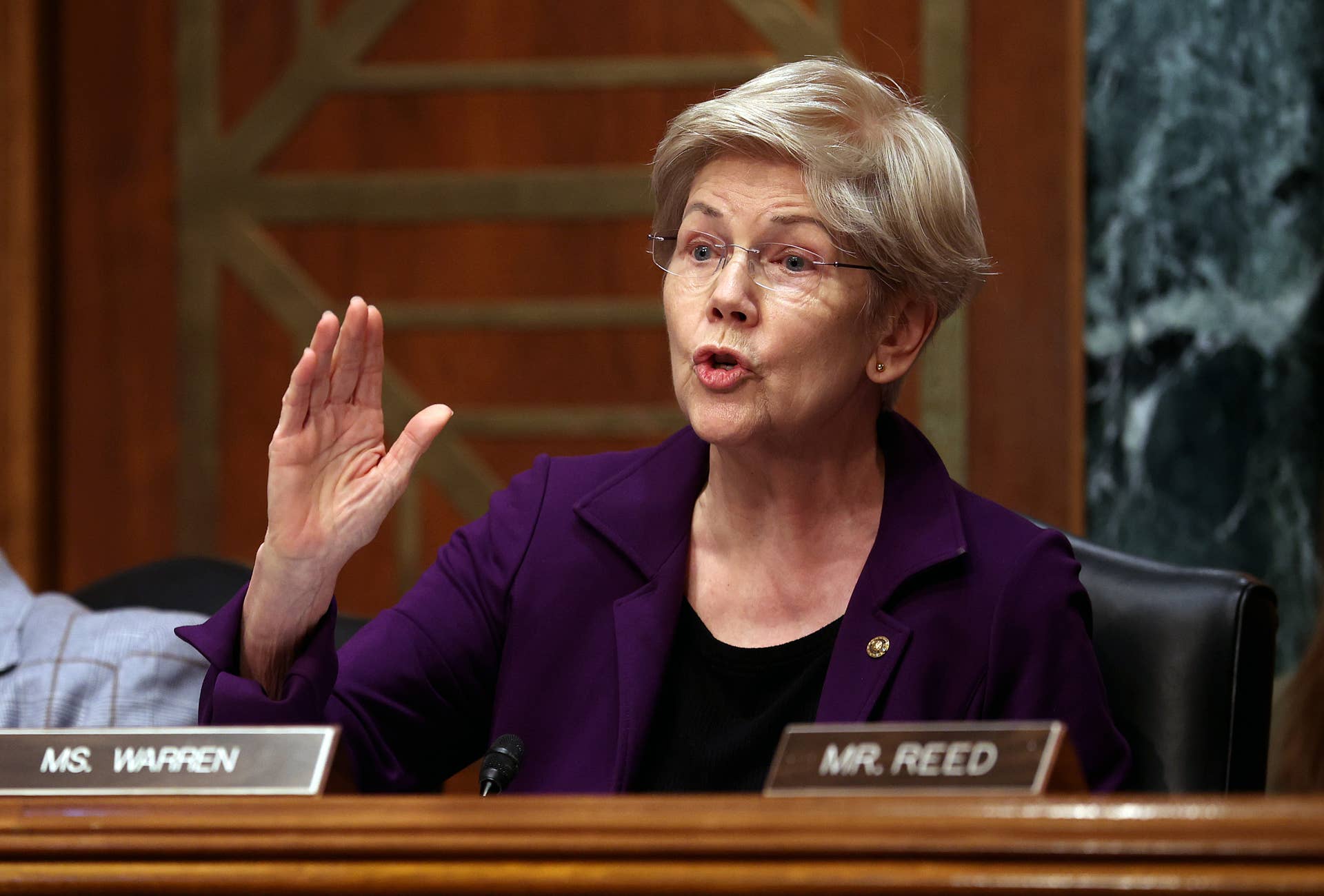
Senator Elizabeth Warren, ranking member of the Senate Banking Committee, sent a formal letter to Musk on April 14 raising concerns about consumer protection, national security, and financial stability.
Warren, warned that X’s operational record raises serious doubts about X Money’s safety.
If your track record operating X is any indication of how you’ll operate X Money, consumers, our national security, and the stability of the financial system may be at risk
Warren’s letter raised three specific concerns
- Cross River Bank, the FDIC-insured institution holding X Money deposits, faced enforcement actions from the FDIC in both 2018 and 2023 for practices the agency classified as unsafe, unsound, unfair, and deceptive.
- The GENIUS Act, signed into law in July 2025, includes a provision that could allow private companies like X to issue stablecoins under less stringent oversight than publicly traded firms face.
- The Consumer Financial Protection Bureau, which would ordinarily regulate products like X Money, underwent significant restructuring during Musk’s tenure as a senior adviser to President Trump.
Warren requested written responses from Musk by April 21, 2026, detailing plans for the launch and the risks the product could pose to consumers.
X Money enters a payments market defined by deep user habits
Musk has described his ambition to transform X into an “everything app” modeled after China’s WeChat. Still, the competitive landscape in the United States presents obstacles that the WeChat comparison overlooks.
Established peer-to-peer payments apps have spent years building deposit behaviors through consistent user experience and daily transaction volume that make switching costly for users.
Those habits are deeply entrenched, and payments users do not typically switch platforms for a better cashback rate alone, Ron Shevlin, chief research officer at Cornerstone Advisors and a senior contributor at Forbes, noted in an April analysis.
More Elon Musk:
- Elon Musk’s startling claim to SpaceX investors
- Elon Musk says he was wrong about Anthropic
- Elon Musk pulls no punches with AI rivals as Grok 4.5 debuts
Shevlin argued that the engaged user base most likely to adopt X Money numbers in the hundreds of thousands rather than millions, citing a 15.2% year-over-year decline in X’s mobile app usage, even as overall daily active users grew 6.6% to roughly 259 million.
The analyst identified content creators, journalists, and podcasters who already earn revenue through X’s ad-sharing program as X Money’s strongest early adopters, because those users have a concrete reason to keep earnings circulating within the platform rather than sending them to an external bank account.
Musk’s fintech roots trace back to the original X.com
The X Money brand is a callback to Musk’s earliest venture in financial services, when he co-founded X.com, one of the first online banking platforms, in the late 1990s.
That company later merged with Confinity to become PayPal, which eBay acquired in October 2002 for approximately $1.5 billion in stock, according to eBay’s SEC filings for that year.
Musk first outlined his vision for payments on the current X platform in a 2022 investor pitch deck, promising a launch by the end of 2024, then pushing the timeline to 2025, before the product entered limited beta testing in early 2026.
What consumers should weigh before trusting X Money with their deposits
Warren’s April letter framed the subsidy question as more consequential for depositors than the rate itself, pressing Musk on how X Money would fund a yield that outruns the federal funds rate.
Dispute resolution, fraud remediation, and account-recovery protocols are the operational muscles Venmo, Cash App, and Zelle spent more than a decade building, Shevlin noted in his April analysis, and X Money is entering the market without a public track record on any of them.
The 6% yield is real. Whether the rate will last and whether X Money’s operational protections match those of an established bank are open questions the launch has not yet answered.
Related: The infrastructure behind payments is quietly changing