Anyone who has shopped for a new phone, laptop, or VR headset this summer probably noticed something odd.
The usual discount that comes with an aging model never showed up. Prices held steady, and in some cases climbed. Apple just did it, and the trend is spreading everywhere.
That is backward. A chip inside a six-month-old device is supposed to get cheaper over time, not more expensive.
This year, the opposite has been happening across consumer electronics, and the reason has less to do with tariffs or inflation than a fight over memory chips.
Qualcomm sits in the middle of that fight. The company does not make phones, but its Snapdragon processors power most non-Apple flagship Android devices, along with a fast-growing lineup of cars and headsets.
On July 29, Qualcomm confirmed just how much that fight is costing it.
The chipmaker reported fiscal third-quarter revenue of $9.95 billion, ahead of the $9.67 billion analysts expected, according to CNBC.
Guidance for the current quarter landed well short of expectations, with adjusted earnings projected between $2.05 and $2.25 a share against a consensus estimate near $2.36, according to Bloomberg.
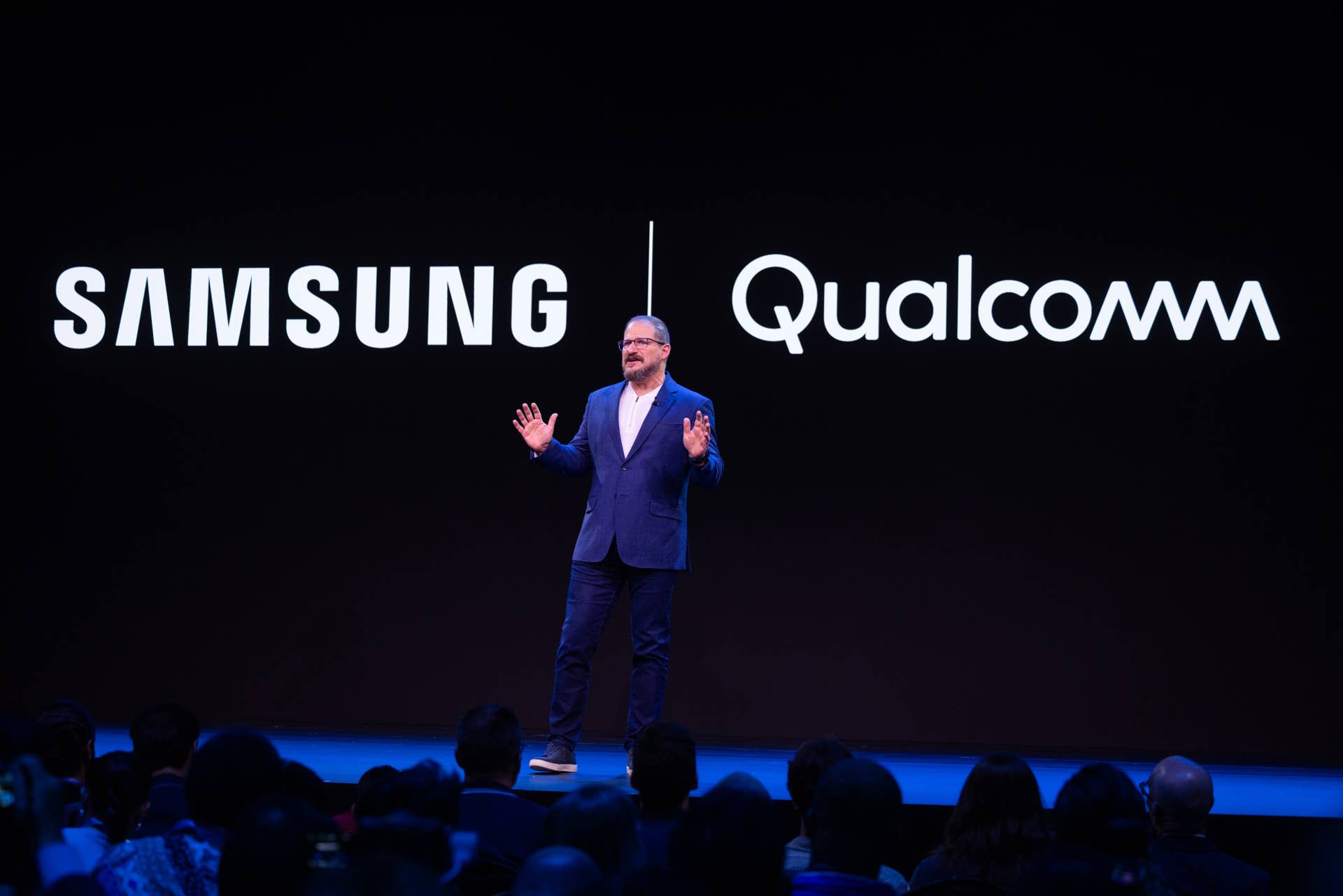
CEO Cristiano Amon did not soften the message on the earnings call. He told CNBC costs went up, so prices are going up, too.
That comment confirmed what Bloomberg had already reported five days earlier: Qualcomm sent customers a letter announcing a double-digit percentage price increase on chips shipped after Sept. 1.
The memory shortage was never really about phones
Qualcomm did not create the pricing pressure it is now passing along. Samsung, SK Hynix, and Micron have redirected production toward the high-bandwidth memory used in AI servers, where margins run far higher than in consumer devices.
Data-center demand accounted for roughly half of global DRAM consumption in 2025, up from about a third five years earlier, according to Bloomberg Intelligence data cited by Bloomberg.
That reallocation left phone makers competing for a shrinking pool of standard memory. Qualcomm’s handset chip revenue fell 20% year over year to $5.1 billion, which the company tied directly to what it called unprecedented memory pricing and supply constraints in its SEC filing.
Investors are pricing in something longer than a bad quarter
Qualcomm (QCOM) shares fell roughly 5% in extended trading after the report, compounding losses for a stock already down double digits this month. That reaction reads less like disappointment in one earnings print and more like a bet that the input cost problem sticks around.
Qualcomm’s own foundry partner backs that read. Taiwan Semiconductor Manufacturing has told customers it will raise contract prices by up to 10% starting next year, citing AI-driven demand that outstrips supply, according to Nikkei Asia.
More Qualcomm:
- Qualcomm’s datacenter ambitions win over Goldman Sachs
- Qualcomm eyes $10 billion AI shortcut as smartphone growth slows
- Qualcomm deepens ties with major Apple rival
When the company that fabricates Qualcomm’s chips and the companies that supply Qualcomm’s memory are both raising prices at once, no single earnings call fixes the math.
Qualcomm is not alone in passing the cost down. Google confirmed its Pixel lineup will get more expensive this year, citing a roughly sixfold jump in memory costs, according to 9to5Google.
Qualcomm’s own guidance also reflects Apple’s modem revenue declining faster than expected, as Apple continues insourcing its own chip designs.
Qualcomm is trying to outrun the smartphone cycle entirely
The memory crunch is accelerating a pivot Qualcomm was already making. The company doubled its fiscal 2029 non-handset revenue target to $40 billion, and it just closed its acquisition of Modular, an AI software infrastructure company, to build out its data-center ambitions.
A new automotive chip deal with BMW adds to a business Qualcomm expects to keep growing at a triple-digit clip.
None of that helps this quarter’s margins. But it explains why Amon sounded unbothered delivering the price hike news. Smartphones are no longer the business Qualcomm is betting its future on.
The bigger story here is not Qualcomm’s quarter. It is the first clear evidence that the AI buildout has a direct, traceable line to what ordinary consumers pay for everyday devices.
SK Hynix has warned the shortage could stretch past 2030. If that holds, the price increase Qualcomm announced this week will not be the last.
Related: Qualcomm’s datacenter ambitions win over Goldman Sachs