Typically, oil and gasoline prices peak in July or early August.
The summer vacation driving season has peaked or is about to peak. Families with children will start to head home to get ready for the new school year. Days are getting shorter.
But the rest of 2026 is uncertain. Oil prices were up more than 20% in July and more than 40% for the year because of the U.S.-Israeli war on Iran, which erupted on Feb. 28.
The war is about to enter its sixth month. And there are few signs of a resolution. President Donald Trump said on July 31 that U.S. forces would attack Iran over the weekend.
Related: Goldman Sachs doubles down on oil price forecast for 2026
Iran wasn’t supposed to be able to fight for very long. But it’s still lobbing missiles and drones at military posts operated in the region by the United States and Arab countries.
A drone attack on Wednesday on Damietta Port, an Egyptian port on the Mediterranean Sea was also believe to be war-related. Two ships caught fire. It wasn’t clear who was behind the drone attack. Egyptian officials initially said the attack came from Iran, The Wall Street Journal reported.
Gas prices little changed
Gasoline prices were little changed on July 31. GasBuddy said the U.S. national price of gasoline was at $4.093 a gallon, off very slightly from Thursday. The price was 45% higher on the year and up 30% from a year ago.
AAA said its measure showed the national average at $4.106 a gallon, basically flat on the day. The price is up 45% o the year and 30.5% from a year ago.
Gasoline prices may range between $4.25 a gallon and $4.50 a gallon in August, said oil trader John Kilduff because of war tensions in the Middle East. And don’t forget that drone attacks by Ukraine have disrupted Russia’s oil industry, he added.
After that, the picture is just not clear at all, he told theStreet. Many countries have drawn down their oil reserves, and just refilling storage could put a price under crude oil.
More Oil & Gas:
- Why a big drop in oil prices did little at the gas pump
- U.S. blocks Strait of Hormuz: Here’s what’s next for oil prices
- Where Are Gold, Silver and Crude Oil Prices Headed Next?
Light sweet crude, the benchmark U.S. crude ended July at $84.67 per 42-gallon barrel, up 22 for the month, per CME Group data. Brent, the global benchmark rose 24% to $87.93 according to data from Interncontinental Exchange in London.
J.P. Morgan Global Research has forecast Brent crude to average $86 per barrel in the third quarter of 2026, $80 in the fourth quarter and $78 at year end. Goldman Sachs sees Brent at $80 in the fourth quarter, with light sweet crude at $75.
Oil stocks were generally higher on July 31. An exception: ExxonMobil (XOM), down 1%. Chevron (CVX) added 2.4%.
The Strait of Hormuz: still shut down
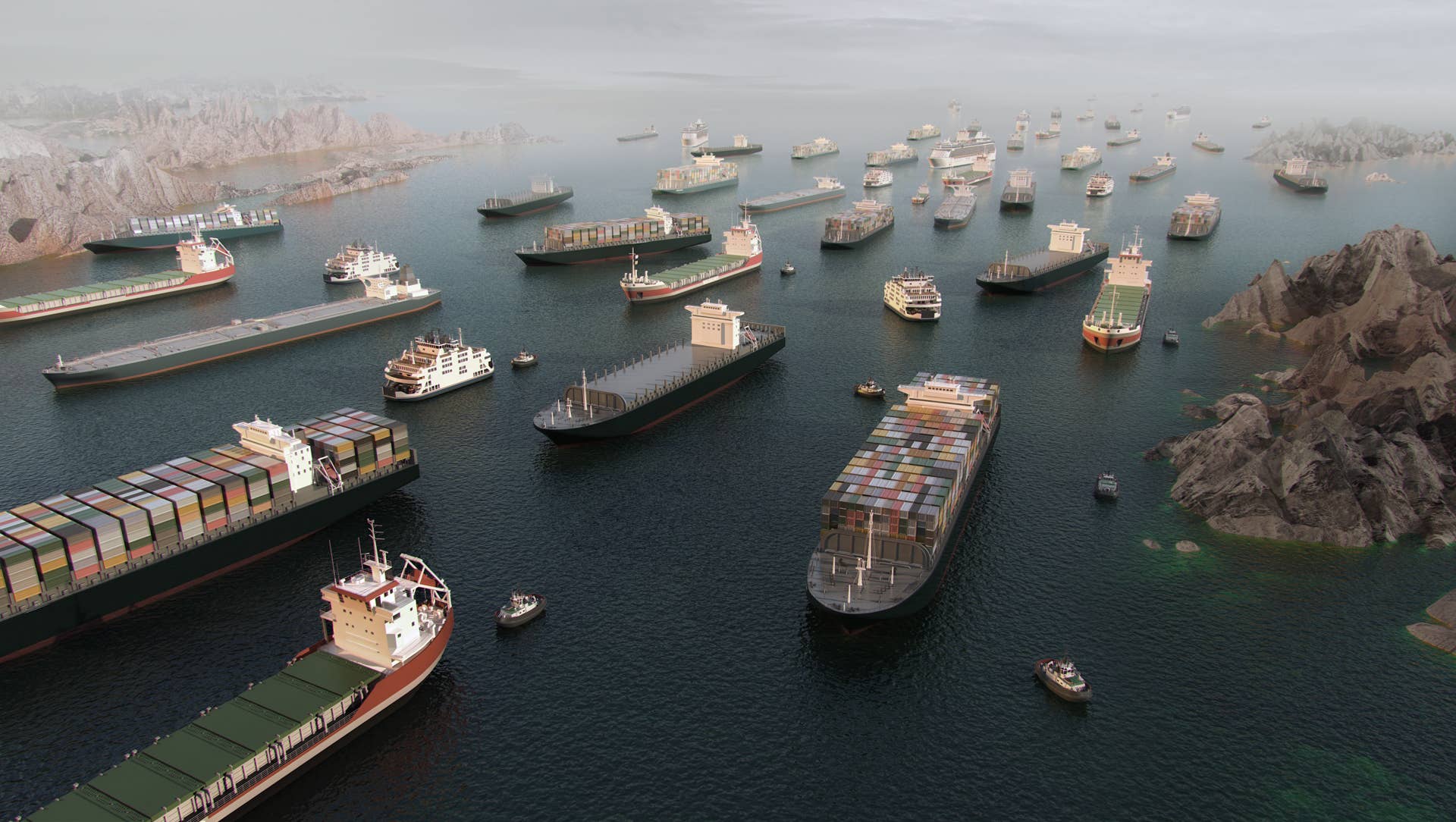
The war has basically shut down the Strait of Hormuz, through which about 20% of the world’s crude passed from nations in the Persian Gulf to global markets before the war.
Two tankers successfully came through the strait on July 31, according to Reuters. Two more were stopped by Iran naval personnel and four retreated.
That’s a substantial reduction from the 120 tankers that passed through the strait daily before February.
Related: The war driving up gas prices isn’t the one you think