Wall Street just drove a harsh line through the artificial intelligence trade.
Amazon (AMZN), Microsoft (MSFT) and Alphabet (GOOGL)added nearly $1.5 trillion in combined market value during earnings week, according to CNBC. Microsoft gained more than $600 billion, while Amazon and Alphabet each added more than $400 billion.
Other tech giants took a hit.
Apple (AAPL) shed more than $350 billion in market cap as supply problems dimmed its outlook. Meta Platforms (META) erased over $85 billion in market value as investors questioned the return on its heavy investment in AI technology. Tesla (TSLA) dropped over $7 billion after posting negative free cash flow and forecasting heavier spending.
The six firms saw over $2 trillion come in or go out.
The companies were not afraid to spend money. Jefferies estimates Big Tech’s AI spend is on track to reach about $800 billion in the next 12 months.
Amazon increased its 2026 capital-expenditure forecast to $220 billion and still soared.
The difference was obvious. Amazon, Microsoft and Alphabet revealed that people are already paying to use the infrastructure they are developing.
There was no mistaking Wall Street’s message.
AI ambition alone won’t be enough. Investors want to see the bill and proof that someone is paying it.
“It’s whether in the long term demand is going to be sufficiently profitable to warrant all of this investment,” Jefferies investment banker Jason Greenberg told CNBC.
Amazon, Microsoft and Alphabet passed the AI payback test
Amazon’s results provide the strongest evidence that big spending can still lure investors.
Amazon Web Services revenue rose 37% from a year earlier, the best gain since 2021. Most of Amazon’s AI-related business is booked in its cloud segment, so that acceleration is a direct hint customers are buying more computer power.
Amazon stock rose more than 15%, even as management boosted projected capital investment for 2026 from $200 billion to $220 billion.
Related: Amazon is selling a 2-in-1 laptop and tablet for $66
Microsoft, too, returned a similar result.
Shares rose almost 15% after investors applauded the robust growth in Azure and Microsoft’s overall cloud operation. Microsoft may install pricey processors in its data centers and sell access to them via cloud subscriptions, enterprise applications, and AI services.
Alphabet’s fast-growing Google Cloud rounded out the victorious trifecta.
All three have something Meta, Apple, and Tesla don’t have at the same scale: established cloud platforms that can leverage processors, power, and data center capacity into recurring revenue.
That makes cloud growth Wall Street’s favorite AI scoreboard.
If infrastructure demand is accelerating, investors may be fine with declining free cash flow. They are much less patient if management promises a payoff way down the road without saying who will ultimately pay the bill.
Meta failed the AI test, while Apple faced another crisis
Meta was the biggest loser under the new rule Wall Street adopted.
The company raised the bottom of its capital-spending outlook, but CEO Mark Zuckerberg provided few details about external demand for Meta’s infrastructure. Its AI systems are helping to improve advertising and engagement, but investors still don’t have a clean revenue line showing the return on those massive investments.
More AI:
- Workers just sent AI companies an ultimatum
- Palantir CEO has a blunt verdict on OpenAI and Anthropic
- Elon Musk pulls no punches with AI rivals as Grok 4.5 debuts
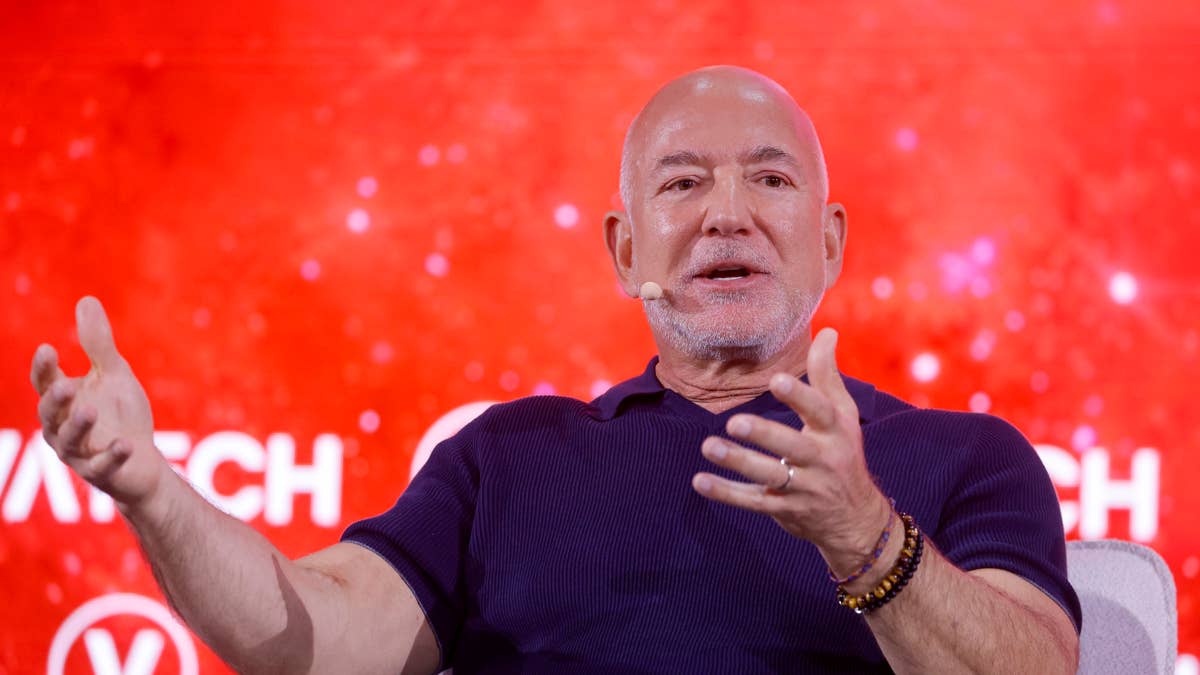
Wall Street has rewritten the rules for AI stocks
Apple and Tesla stock fell for various reasons.
Apple’s earnings and iPhone sales topped estimates, but the firm expected current-quarter revenue growth of 9% to 11%,, below Wall Street’s 12% projection. Apple is having trouble shipping devices because of memory shortages and restricted capacity at chip factories.
So Apple didn’t fail because it spent too much on AI, but it still faced challenges in meeting demand. Investors feared supply concerns would prevent it translating great demand into revenue, and it broke apart.
Another risk was represented in the fall of Tesla. The company posted negative free cash flow and continued to spend on autonomous driving, manufacturing, and AI infrastructure. Investors have to balance more spending with an unclear timeline for rewards.
These firms do not have the same difficulty.
Meta needs to prove that AI investments can generate new revenue. Apple needs to fix its supply problems. Tesla has to prove that pricey future technologies are capable of generating enough cash to warrant the sustained expenditure.
What Big Tech investors should watch
- Cloud growth: AWS, Azure and Google Cloud now provide the clearest AI demand signals.
- Capital expenditures: Spending is rewarded only when revenue growth supports it.
- Free cash flow: Investors may accept deterioration when customer demand is visible.
- Direct monetization: Companies must explain who pays for their AI products.
- Margins: Revenue eventually must outpace infrastructure, power and chip costs.
- Guidance: Strong historical results will not protect a stock from a weak outlook.
The market has not yet chosen the permanent winners of artificial intelligence.
It has picked the companies that are providing the best available proof to investors today.
Amazon, Microsoft, and Alphabet can construct AI infrastructure and charge users to utilize it right now. Meta, Apple, and Tesla all need to tie their spending, products, or technology promises to measurable financial returns in different ways.
The biggest winners in AI may not have the best model.
Maybe these are just the corporations who have figured out the fastest way to charge their clients.
Related: Coca-Cola keeps beating its rivals, and Wall Street noticed