Tesla shares experienced a resurgence on Monday, Aug. 3, as investors accelerated last week’s post-earnings rally. But analysts at Stifel Nicolaus, one of the biggest Tesla bulls on Wall Street, are going the opposite way.
Since they dipped slightly below the stock’s support level at $300, shares have rallied nearly 8% since the session last Wednesday, July 29, including a 3.5% increase to close trading on Aug. 3.
Tesla reported second-quarter revenue of $28.2 billion, a record that topped analyst estimates of $27.6 billion. However, the 33 cents per share the company reported missed estimates from analysts polled by Tesla (TSLA), who were expecting 55 cents per share.
So it seems that as Tesla chased volume, delivering 480,126 vehicles, a 25% increase from the same period a year ago, it sacrificed margins to get there. Net income for the quarter fell 17% to $1.15 billion. Analysts were expecting net income of $1.27 billion.
Meanwhile, Tesla’s results from the first quarter were flipped.
Tesla missed analyst revenue expectations, reporting $22.39 billion versus analysts’ $22.64 billion, but earnings of 41 cents per share topped estimates of 37 cents per share.
Those two asymmetrical quarters, mixed with the company’s increased capital expenditure plan, left analysts at Stifel concerned about Tesla’s direction.
Stifel lowers Tesla’s Wall Street-high price target
On Aug. 3, Stifel Nicolaus analyst Stephen Gengaro lowered his price target on Tesla from a Wall Street-high of $508 to $491 per share, while maintaining a buy rating.
Although the price target still represents a potential 57.8% upside for the stock, it does signal that even Tesla’s biggest bulls are starting to see cracks in the company’s story.
Gengaro cited Tesla’s concerning second-quarter profitability as a reason for the downgrade, according to TipRanks. There are positives, as the analyst believes Tesla is still making meaningful progress in its FSD and Robotaxi development, and he views the company’s largest order backlog since 2023 as a good sign for strong demand.
Still, Gengaro sees broader FSD adoption and a successful Robotaxi rollout as the key factors to determine whether Tesla ever reaches Stifel’s lofty price target.
Tesla increased its 2026 capital expenditure to $25 billion to build out its Robotaxi, FSD, and humanoid robot ambitions, but Stifel needs to see the firm execute on its plans, not just spend on them.
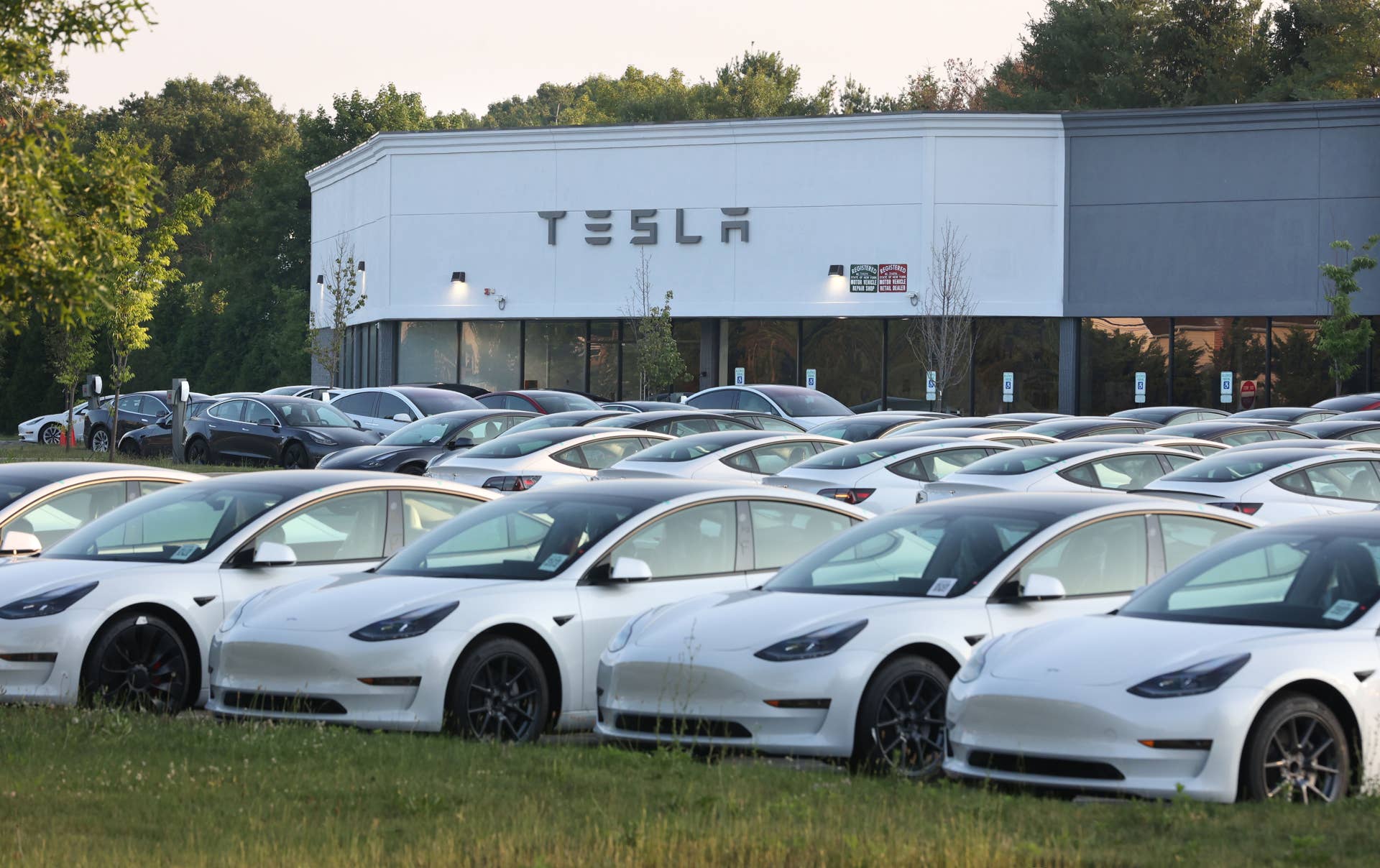
Tesla shareholders comment on Tesla Q2 earnings
Tesla CEO Elon Musk did a good job of preparing shareholders for the margin squeeze in the first quarter, finally taking the time to “inject some realism” (his words) into the Tesla story.
Musk shared that Tesla was raising its 2026 capital expenditure expectations above $25 billion, with CFO Vaibhav Raneja warning of “negative free cash flow impacts for the rest of the year.”
It’s an issue David Wagner, head of equity and portfolio manager at Aptus Capital Advisors, has been preparing for.
“Tesla’s earnings tonight highlight a core tension between short-term financial realities and an ambitious long-term AI vision,” Wagner said in comments emailed to TheStreet.
“While recent delivery rebounds demonstrate steady vehicle volume, heavy margin pressure from global price cuts and massive capital expenditure — projected at over $25 billion this year for AI compute, chips, and infrastructure — are squeezing free cash flow.”
Still, Bill Birmingham, managing director at REX Shares, seemed a bit surprised by just how disappointing the company’s profitability was in the quarter.
“Non-GAAP EPS of $.33 badly missed,” Birmingham told TheStreet. “More importantly, non-GAAP gross margin fell to 16.8% (ex-credits), substantially lower than the 18% floor that we set out in the preview.
“Tesla specifically attributed the pressure to lower vehicle ASP and mix, reduced regulatory-credit revenue, sharply higher AI/R&D, stock-based compensation and SG&A, as well as energy warranty charges. In other words, the record delivery quarter generated a top-line beat but not operating leverage.”
Related: Tesla rival trims spending plans despite revenue beat