The 2026 NFL season will be the most important in ESPN’s history.
For the first time ever, Disney-owned ESPN will broadcast a Super Bowl, in this case LXI on February 14, 2027, as part of the new broadcast contract the league signed with ABC, where the game will also be simulcast.
The Super Bowl has been the most-watched live program in the U.S. for 56 years straight, topping the list every year since 1970.
The Super Bowl is the one television program that has survived cord-cutting, the decline of broadcast television, and the rise of streaming. That kind of staying power means advertisers are willing to pay ridiculous amounts of money to be featured in front of the most eyeballs in the most consumer-driven country in the world.
So it was a no-brainer in 2021 when Disney negotiated a deal to pay the NFL about $2.7 billion annually for its slate of NFL games on Monday Night Football. While Disney pays a lot more than CBS ($2.1 billion), NBCUniversal ($2 billion) and Fox ($2 billion), that new deal gave ABC and ESPN the rights to broadcast two Super Bowls during the deal’s 11-year term.
“Live sports aren’t just a viewership play, they’re a fan engagement and ecosystem play. When a sports fan engages with ESPN, Disney+, or our parks, their lifetime value increases,” Disney CEO Josh D’Amaro said during the company’s third quarter earnings call.
The last time ABC aired a Super Bowl was in 2006.
Disney sells out Super Bowl ad space early
The reason television execs don’t bat an eye when paying for NFL broadcast rights is that they know the NFL brings in the advertising dollars. This week Disney execs revealed that they have sold out the ad time for the 2027 Super Bowl before a single snap of the current season has commenced.
“Sports volumes were up low teens, and we are very pleased to announce that we have sold out the Super Bowl inventory,” Hugh Johnston, Disney’s chief financial officer, said during the company’s earnings call.
Disney had been seeking as much as $10 million for a 30-second spot, according to The Hollywood Reporter. That would be a broadcast record for a half-minute spot if true, and a 25% year-over-year increase over the $8 million advertisers paid the year prior.
“Overall, the current tone I would have is to characterize the market as healthy in sports, which obviously plays to our strength heading into the fall, but at the same time, competitive in streaming, especially given the growth of supply in the marketplace,” he said.
Despite the record cost, Disney says that 58 brands across 34 different categories have bought time during the game, including nine brands that are advertising for the first time.
“Our Upfront and a sold-out Super Bowl LXI make it clear: brands see Disney as a must-have investment – one built on our ability to deliver audiences at scale, across live events and streaming, all year long,” Rita Ferro, president of global advertising for Disney, told THR.
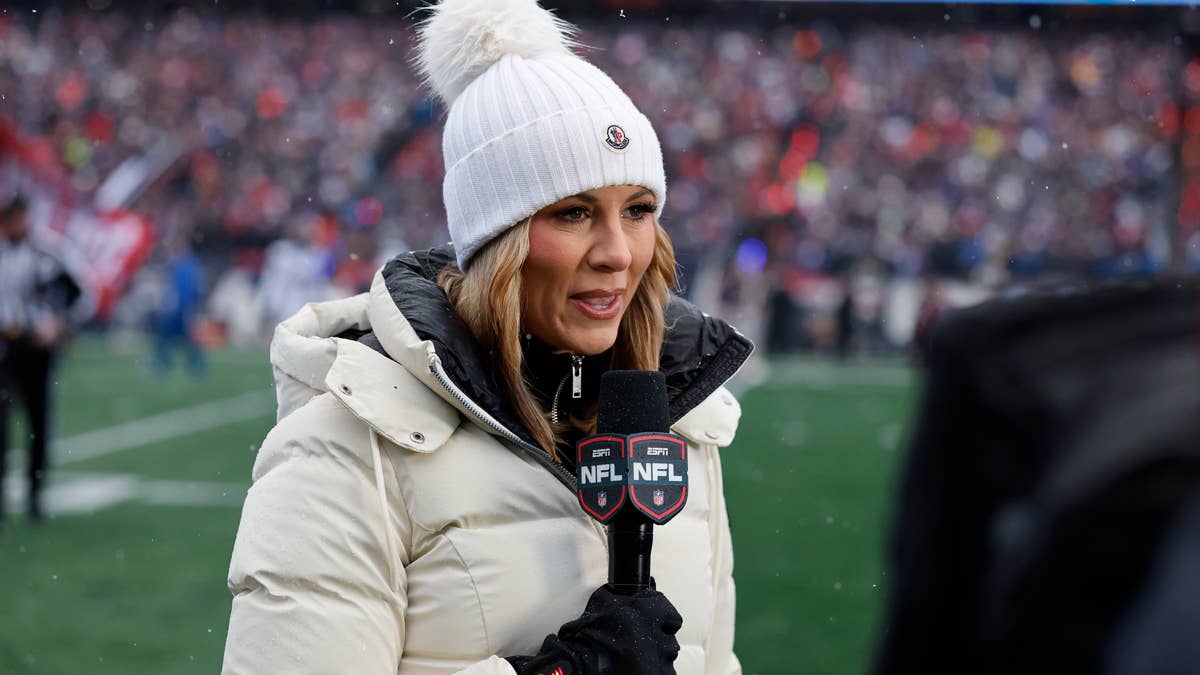
Disney shares climb following earnings beat
Disney shares got a boost Thursday, August 6, after the company released its earnings results after the closing bell the day prior.
Disney shares were up 2.5% to $104.31 at last check Thursday afternoon after the company reported adjusted third-quarter earnings of $2.06 per share, topping estimates of $1.86. Revenue totaled $25.25 billion, slightly below the forecast of $25.43 billion, but still represented 7% year-over-year growth.
“I think you can see in our results, and here in our answers to your questions, that we believe we are uniquely positioned in the global entertainment industry,” CEO Josh D’Amaro said.
“We have clear growth drivers in Experiences and streaming, and unmatched breadth and depth of IP. In an increasingly fragmented attention economy, consumers are choosing to spend their time with us across our core platforms, Experiences, Disney+ and ESPN,” he added.
Disney says it is now “operating from a real position of strength,” according to D’Amaro, as its operating income rose 21% in the quarter as revenue grew 7%.