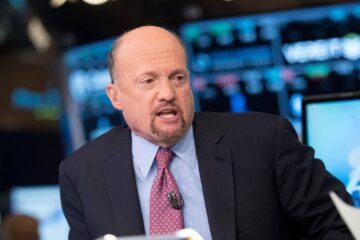
The Federal Reserve is the key to answering that question, he said. The Fed began raising interest rates Wednesday.
Inflation is on a rampage, with consumer prices soaring 7.9% in the 12 months through February. The rise in commodity prices stemming from the Russia/Ukraine war may well push that number even higher.
That is forcing the Federal Reserve to raise interest rates. Its first rate increase came Wednesday, and the median forecast of Fed officials indicates they will lift rates another six times this year.
Some experts think that kind of tightening risks a recession by depressing demand too much. Well-known economist David Rosenberg, of Rosenberg Research & Associates, says a recession may come as early as this summer.
“The Fed hiking rates usually leads to bad things for the economy,” he told MarketWatch. “The Fed’s ability to guide the economy into a slowdown without generating a contraction is a one-in-four bet, historically.”
The only way the Fed can quell inflation is through recession, Rosenberg said.
“It’s going to take demand destruction to get inflation down, he said.
“The housing market is in at least as big a bubble as the stock market,” Rosenberg said, pointing to a 19% year-on-year surge in home prices.
“We’ve already taken out prior bubble peaks in the late 1970s, mid-’80s and mid-2000s,” he said. Rosenberg sees a 20% to 30% drop coming in home prices, “and that’s being charitable.”
So how should you invest to prepare for a recession?
“You want to have a cash reserve,” Rosenberg said. “Cash will provide you with resources to buy assets that are deflating and will deflate further.”
He also recommends a defensive stock portfolio: Consumer staples, utilities and healthcare.