There is a version of the AI trade that everyone can see. Nvidia sells chips. Hyperscalers buy chips. The money flows one direction. It’s a clean story.
The SEC filing Nvidia dropped on August 14 tells a different version of that story, one where the chip supplier is also one of the largest shareholders in its own customer.
The number in the filing is not small. And the way Nvidia ended up with that position is worth understanding before investors decide what to make of it.
Nvidia NVDA discloses $21 billion SpaceX SPCX stake in SEC 13F filing
Nvidia disclosed owning 122.8 million Class A shares of SpaceX in a 13F filing with the Securities and Exchange Commission on August 14, according to CNBC. At SpaceX’s June 30 closing price of $170.86, the position was worth approximately $21 billion. That makes it Nvidia’s second-largest disclosed equity holding behind Intel.
More SpaceX:
- Morgan Stanley says SpaceX investors miss the bigger story
- Peter Schiff says SpaceX is a warning for hyped stocks
- SpaceX stock defies latest Wall Street forecasts
SpaceX shares closed at $140 on August 14, pulling the value of Nvidia’s stake down to roughly $17.2 billion. That decline reflects the volatility SpaceX has experienced since its Nasdaq debut in June.
Nvidia is up nearly 20% in 2026. SpaceX has lost close to 7% since entering the public market in June. The two companies are moving in different directions as public equities even as their business relationship keeps deepening.
How Nvidia got 122.8 million SpaceX shares through xAI and Elon Musk
Nvidia never bought a single SpaceX share on the open market. In January 2026, it put $10 billion into xAI as part of a larger $20 billion funding round. Then in February, SpaceX bought xAI in an all-stock deal worth $1.25 trillion. Every xAI share became a SpaceX share. Nvidia’s stake came along with it, according to Bloomberg. A chip investment became a rocket investment without Nvidia ever placing a market order.
The Intel position is different. Nvidia announced a $5 billion strategic investment in Intel in September 2025. The deal closed on December 26, 2025, after FTC clearance, with Nvidia buying 214.7 million Intel shares at $23.28 per share. By June 30 that stake was worth $30 billion. By August 14 it had slipped to $22 billion, after Intel completed a $20 billion secondary offering on August 12 that pressured the stock. Still a remarkable return in under six months from the December closing, but down sharply from the peak.
Nvidia ranks sixth among SpaceX’s largest investors, based on FactSet data. Musk holds the top spot with a stake worth roughly $850 billion. Alphabet is second at approximately $78 billion, according to CNBC.
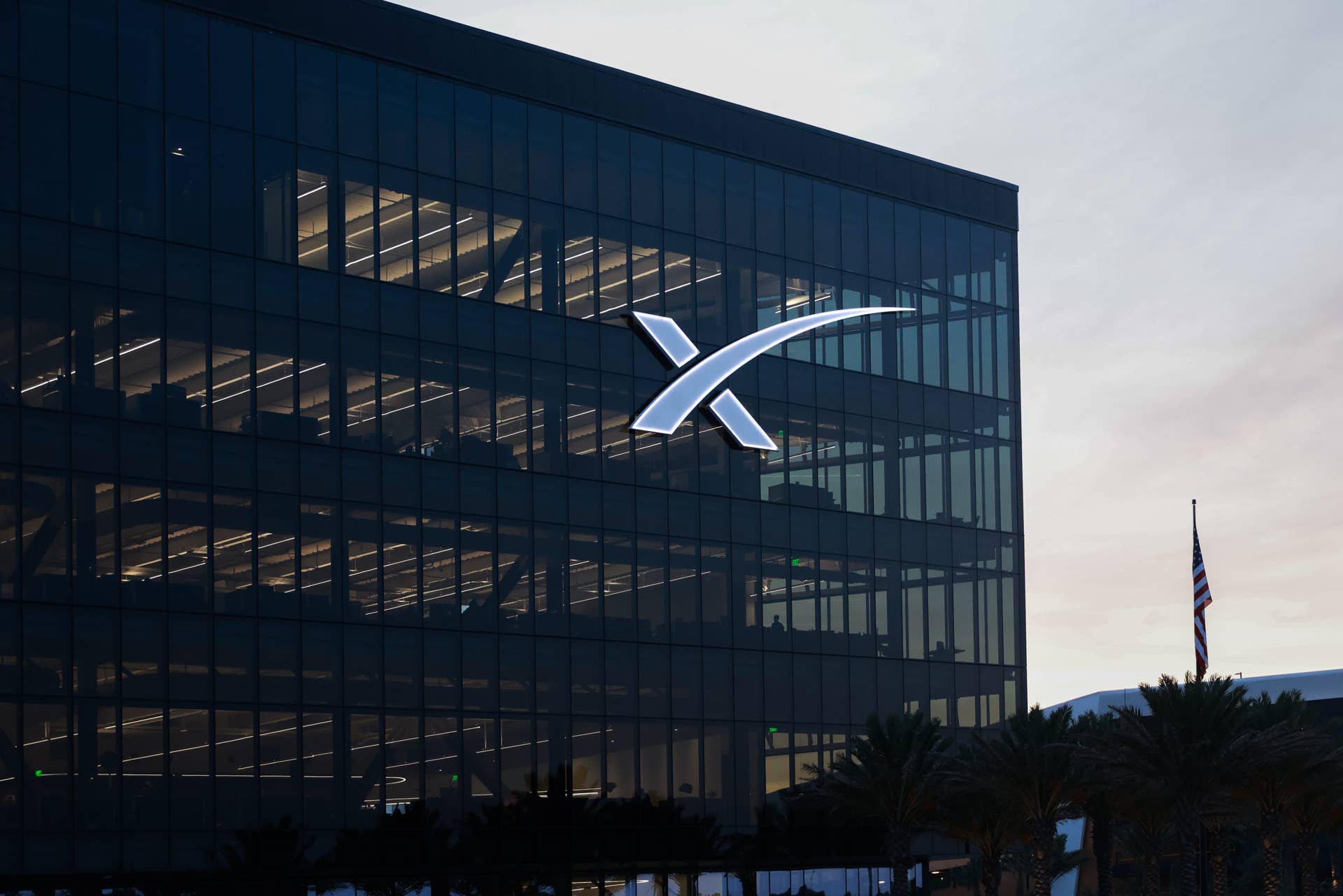
Reginald/Getty Images
Nvidia circular investment risk and what it means for NVDA shareholders
Nvidia now supplies AI chips to SpaceX, holds a large equity stake in SpaceX, and profits if SpaceX’s AI buildout drives more hardware demand. All three things happen simultaneously.
That creates a layered exposure for Nvidia shareholders. Chip revenue from SpaceX. Equity upside if SpaceX grows. And if the AI infrastructure trade reverses, both decline at the same time.
Musk made the hardware commitment explicit during SpaceX’s second-quarter earnings call. The company will build its AI data centers exclusively on Nvidia chips. SpaceX expects a significant allocation of Vera Rubin processors next year, making it one of Nvidia’s most important customers at the exact moment Nvidia is one of SpaceX’s largest outside investors, as TheStreet reported.
Nvidia is not alone in this pattern. Microsoft backs OpenAI. Amazon backs Anthropic. The Bank for International Settlements has flagged this kind of arrangement as a systemic concern worth watching. Together Nvidia’s SpaceX and Intel positions represent roughly $39 billion in disclosed equity holdings, more than 80% of its total disclosed portfolio.
What Nvidia’s SpaceX stake means for NVDA stock investors in 2026
The value of Nvidia’s SpaceX position moves with SPCX stock, which has been volatile since the June IPO. More shares are still set to unlock. A staggered nine-part schedule means additional tranches keep coming. A window opened August 20 with as many as 319 million shares potentially eligible for sale.
The bigger question for Nvidia shareholders isn’t the short-term stock price. It’s whether SpaceX follows through on buying Vera Rubin chips at scale.
If that relationship produces hundreds of billions in hardware orders over the next few years, the $10 billion xAI bet that started the whole chain looks like one of Nvidia’s best deals ever. If SpaceX’s AI ambitions take longer than expected, Nvidia absorbs both the equity loss and the demand shortfall at once.
For now the filing put something in writing that the market had suspected. Nvidia is not just selling AI infrastructure. It is increasingly embedded inside the companies building it.
Related: Morgan Stanley sends blunt SpaceX message to investors