Inflation has reshaped where Americans shop, and nowhere is that shift more visible than in the off-price apparel aisle.
As grocery bills climb, gas prices creep back toward $4 a gallon, and everyday essentials eat up a bigger share of household budgets, shoppers who once bought without blinking are now comparison shopping for basics like never before.
That behavioral pivot has turned discount retailers into one of the most closely watched corners of the consumer landscape, with every earnings report and every foot-traffic reading treated as a referendum on how deep the squeeze on American wallets really is.
As a longtime fan of TJ Maxx, I’ve noticed during my visits that the stores are more crowded, even on weekdays, than they were five years ago. People need a way to save, and off-price giants are all chasing that value-hungry customer.
TJ Maxx, Marshalls, Ross, and dd’s DISCOUNTS have historically coexisted by carving out slightly different niches, but inflation has blurred those lines. Off-price as a whole has spent the past several years pulling traffic share away from traditional apparel retailers, with the entire off-price category comfortably outpacing it.
Now, new visit data from Placer.ai have revealed a new leader in the race.
The rise of Ross Dress for Less
Visits to Ross Dress for Less surged 16.4% year over year in the second quarter, while sister chain dd’s DISCOUNTS grew a robust 8.4%, Placer.ai noted. That momentum accelerated into summer, with year-over-year visit growth picking up further at both banners in June and July.
The traffic numbers lined up with the financials: Comparable-store sales at Ross climbed 17% in its most recent quarter, blowing past Wall Street’s guidance. That kind of growth in a single quarter isn’t just outperformance; it’s a signal that Ross is actively pulling shoppers from somewhere.
Related: Ross Stores CEO doubles down on change that may deter customers
The numbers tell us exactly where they’re being pulled from, in fact: TJ Maxx and Marshalls. The data show that foot traffic to TJ Maxx essentially hovered around last year’s levels, with same-store visits still down slightly heading into July, Retail Wire reported.
TJ Maxx still comfortably beat the traditional apparel retailers bleeding customers by mid-single digits. But for a chain that has ridden the value wave for years, Ross’ growth surge invites uncomfortable questions about what shoppers are finding there that is drawing them away from TJX brands.
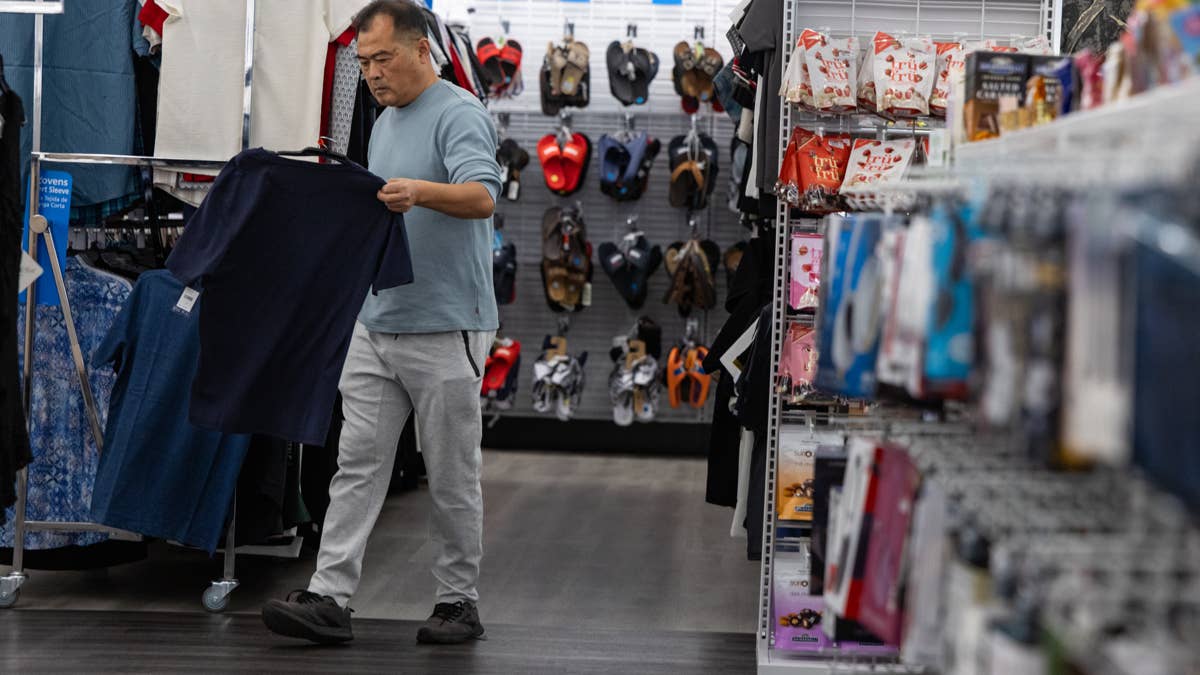
Ross, TJX serve different customer needs
The retailers do target different customer bases. TJ Maxx and Marshalls have long skewed toward a higher-income customer shopping at somewhat higher price points, Retail Brew noted. This means someone who isn’t just hunting for the lowest tag but who also wants the thrill of the find: a designer handbag or a recognizable label tucked between the racks.
Social media users regularly post their finds on TikTok, leading followers to go on their own treasure hunt in hopes of finding similar deals.
More Retail:
- Dollar General copies Costco’s playbook with a discount twist
- Pepsi and Coca-Cola bet big on soda Americans say they want
- Iconic supermarket chain closes more stores and facilities
That treasure-hunt positioning, along with the option to shop TJX’s stores online, has been a winning formula for the brand. But it also leaves the chains more exposed when household budgets tighten. Shoppers may rein in the more discretionary, nice-to-have side of their spending, or decide the drive to the store isn’t worth it with gas prices climbing.
Ross, by contrast, has built its identity around the shopper for whom price is the deciding factor above all else, brand recognition included, noted Felicia Mckenzie, Amazon senior product marketing manager, in a LinkedIn post. Neither Ross Dress for Less nor dd’s DISCOUNTS even operates a digital storefront, so every one of those visits represents a shopper choosing to show up in person for the deepest discount available.
In an inflationary environment, that stripped-down positioning is proving more resilient.
Still, both TJX brands showed real signs of life heading into back-to-school season, with Marshalls posting a modest visit increase in July and TJ Maxx’s same-store visits narrowing to just 0.6% below last year, a reminder that the treasure-hunt model hasn’t lost its pull entirely.
But as long as inflation keeps reshaping household budgets, the retailer offering the deepest, simplest discount looks best positioned to continue winning the foot-traffic race.
Related: TJ Maxx has a secret weapon Walmart and Target can’t match