Target is gaining ground in the battle for customers as Walmart steps up its value push.
In recent months, Walmart has doubled down on lowering prices to attract budget-conscious customers amid economic uncertainty.
This push includes Walmart increasing its “rollbacks” to 7,200 across its stores in the first quarter of this year. It also introduced generous back-to-school deals in June, a move Target later followed with deals extending into August.
Walmart then launched a savings event from June 22 to June 28, directly competing with Target Circle Days, which ran from June 23 to June 26.
“When I look at the consumer, especially here in the U.S., they’re telling us they’re feeling some pressure, and they’re looking to Walmart for value,” said Walmart CEO John Furner on an earnings call in May. “We’re continuing to invest in prices, extending the rollbacks we started in the second half of last year, and we now have about 7,200 rollbacks in place.”
Target beats Walmart in store foot traffic as sales climb
As Walmart sharpens its focus on attracting customers with lower prices, Target has recently surpassed it in foot traffic as its new CEO implements his turnaround plan.
In the second quarter of this year, Target’s overall store foot traffic increased by 4.7% year over year, while Walmart’s only increased by 0.7%, according to recent Placer.ai data.
Also, Target revealed in its latest earnings report that it increased its comparable sales by 3.8% year over year during the quarter, while digital comparable sales grew 8.7%.
During a media call with reporters, Target CEO Michael Fiddelke said the company saw sales grow in all six of its core merchandising categories during the quarter, while non-merchandise sales grew 20% year over year.
Related: Target sees unexpected shift in customer behavior
Target Chief Merchandising Officer Cara Sylvester said on the call that the company is seeing shoppers “responding to affordable school supplies” and newness in its grocery category.
“We completed our largest reset of the dry grocery, center store groceries, that we’ve had in over a decade, and so really making sure that we could put our space and assortment behind where the guest is going and delivering Target’s weak point of view on food,” said Sylvester.
She said this strategy includes “leaning in on wellness, global flavors, newness, (and) emerging brands.”
Sylvester also said that Target’s snacks segment, one of its largest businesses, drove double-digit comparable sales growth during the quarter.
“We’re seeing momentum in areas like protein and better-for-you snacking, really gaining share in some of the emerging brands in the categories where we’ve invested,” she said.
Target’s grocery revamp comes as Walmart remains the top grocery retailer by market share, according to recent Numerator data shared with TheStreet. Walmart reached 20.3% grocery market share in the 12 months ended June 30, up 0.3% year over year.
Target promises more price cuts as customers pull back spending
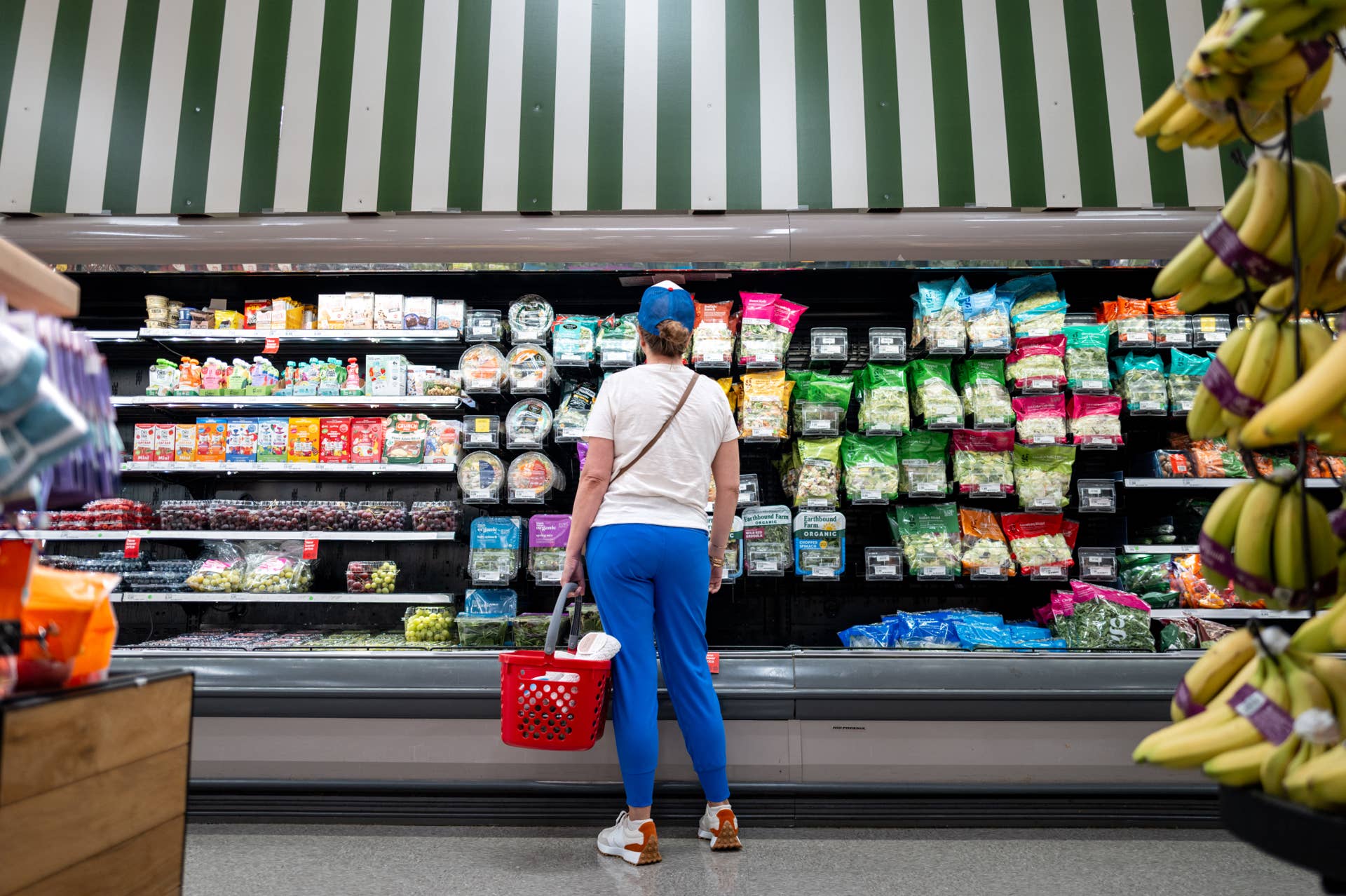
Fiddelke said the company is placing greater emphasis on offering value to customers, including rolling out more price cuts, as it enhances its product lineup with more trending styles and designs.
“As we continue to lean into our style and design roots, we are equally focused on delivering value for our guests,” said Fiddelke during the media call. “Over the past year alone, we have lowered prices on more than 10,000 items, with more to come. And this back-to-school and back-to-college season, 95% of our school supplies assortment is priced at or below last year’s retail prices.”
Target received almost $1 billion in tariff refunds during the second quarter, which it plans to continue using to offer lower prices to customers.
More Retail:
- Target sees unexpected shift in customer behavior
- Publix faces consumer boycott threat after store policy change
- Ross Stores CEO eyes a change that could drive away shoppers
- History of Target: Company timeline and facts
“We have and will continue to invest in price to ensure our guests are getting tremendous value each and every time they visit us at Target,” added Target Chief Financial Officer Jim Lee.
Target’s decision to cut prices for customers comes at a time when more Americans are reducing their retail spending amid economic pressures such as food inflation, lack of affordable housing and rising gas prices.
A recent report from the U.S. Department of Commerce revealed that retail sales declined by 0.6% in July from the previous month, making it the steepest drop since May 2025. The decrease came after a 0.2% increase in retail sales in June.
“Retail sales disappointed in July,” said Bill Adams, chief U.S. economist at Fifth Third Commercial Bank, in an emailed statement to TheStreet. “Consumers pulled back on discretionary spending after the rising cost of gas and other energy prices strained the cost of living.
“The personal saving rate (percentage of disposable personal income) was the lowest since mid-2022 in June,” he continued.
Related: Publix makes significant checkout policy change for customers