The U.S. Treasury just made an unusual move that caught Wall Street off guard, and it says a lot about how nervous officials have gotten over borrowing costs.
Yields on the longest-dated government debt had been climbing toward levels not touched since before the 2008 financial crisis.
On the same day the national debt crossed a new milestone, Treasury Secretary Scott Bessent decided he had seen enough.
What he announced, and why he felt he had to act now, matters far beyond Wall Street trading desks, touching everything from mortgage rates to how much room the government has left to maneuver.
Scott Bessent doubles Treasury bond buybacks as 30-year yield hits 19-year high
The Treasury said on Aug. 19 it will at least double the size of its buyback operations for 10- to 30-year debt, raising the maximum from $2 billion to at least $4 billion per operation, while also doubling the frequency from two to four operations per quarter.
The change kicks in on Sept. 9 and runs through Nov. 4, according to CNBC.
The move came after a rough stretch for long bonds. The 30-year Treasury yield hit 5.34% on Aug. 18, its highest level since 2007, as worries over a possible escalation in the U.S.-Israeli conflict with Iran collided with growing concern about the country’s fiscal trajectory.
Higher yields squeeze households, companies, and the federal budget all at once, since they push up the cost of nearly every kind of borrowing.
More Wall Street:
- Wall Street’s AI trade faces its biggest valuation test
- The next Wall Street shift is already underway
- Wall Street sends strong 4-word verdict on the stock market
The announcement did what it was meant to do, at least for a day. The 30-year yield dropped to as low as 5.18%, while the 10-year yield eased to around 4.63%, and stocks rebounded on the news.
The Aug. 18 selloff had been brutal by comparison, with the Nasdaq and S&P 500 both sliding as the yield spike hit AI infrastructure stocks especially hard.
The timing made the moment feel bigger than it already was. Total U.S. federal debt outstanding topped $40 trillion for the first time in history that same day.
President Donald Trump downplayed the significance when asked by reporters whether Americans should worry about bond market volatility, saying simply, “No, I don’t think so,” according to CNBC.
Treasury bond buyback skeptics Evercore, Jefferies, Citi on Bessent’s market move
Not everyone is convinced the buyback fixes anything.
“I think that this will have a huge impact on the long end,” said Dan Gottlander, global head of USD and CAD swaps trading at Citi, though he added the shift could just push the Treasury to lean more heavily on shorter-term debt instead, according to Reuters.
Evercore ISI analysts framed the announcement as a well-timed strike against traders betting on higher yields, praising Bessent’s “tactical skill as an activist Treasury secretary.”
But they also questioned whether the relief would last, given that the government still needs to finance what they called a “tidal wave” of maturing debt and deficits.
Thomas Simons, chief U.S. economist at Jefferies, said the surprise announcement broke with Treasury’s longstanding habit of sticking to “regular and predictable” debt issuance, calling the move “shot from the hip.”
Scale matters here, too. The $2 billion increase per operation is small next to a $32.2 trillion Treasury debt market, and the total liquidity support tied to this buyback window tops out around $83 billion, including $14 billion of additional liquidity support from the remaining scheduled operations.
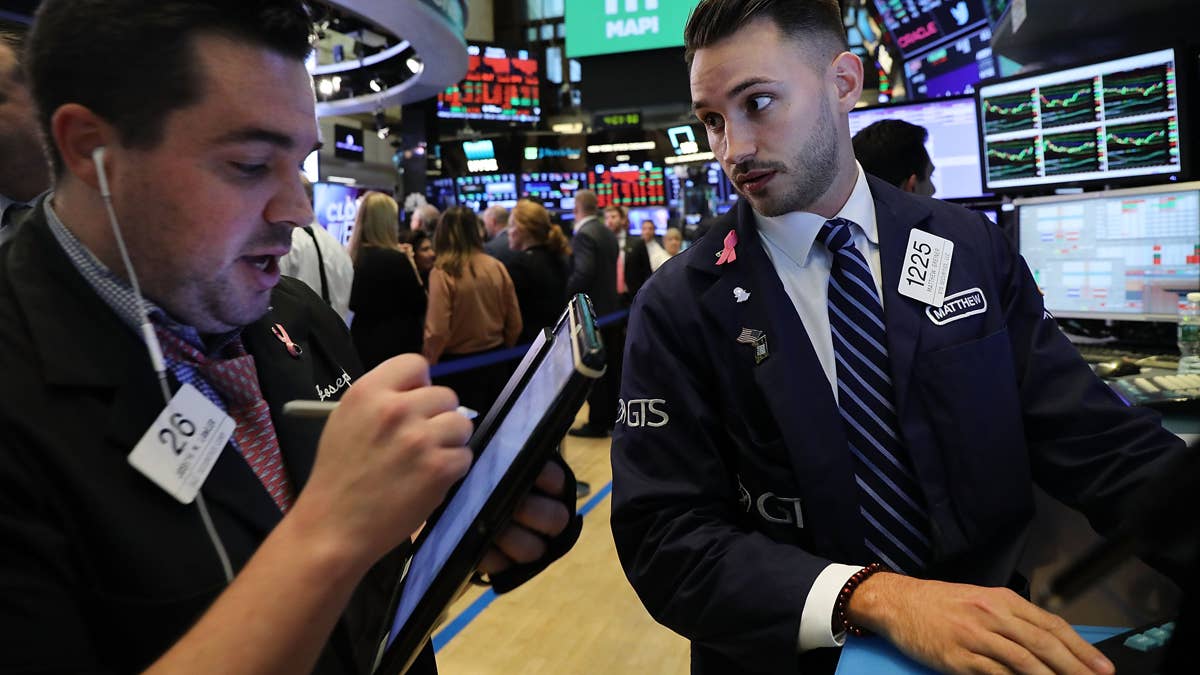
Spencer/Getty Images
National debt, $40 trillion mortgage rates: what Bessent’s Treasury pressure means
This was not Bessent’s first market intervention this month. He also joined Japan on Aug. 1 in a rare coordinated effort to prop up the yen after it slid to 40-year lows against the dollar, part of a pattern of unusually hands-on moves from the Treasury this year.
The underlying math also explains the urgency. Net interest costs reached roughly $857 billion in the first nine months of fiscal 2026 through June, more than the combined budgets of several major federal agencies. A gap that grows the longer yields stay elevated, according to TheStreet.
Higher yields have already worked their way into everyday costs. The 30-year fixed mortgage rate climbed toward 6.67% in mid-August, after reaching its highest reading in roughly a year earlier in the month, adding real monthly costs for anyone shopping for a home loan or refinancing an existing one.
Complicating things further, Federal Reserve minutes released the same afternoon showed policymakers still open to a rate hike if inflation does not cool, even as traders had shifted their bets toward a hold.
What Treasury bond buyback means for stock market, AI infrastructure investors
The S&P 500 was up Aug. 19. Three days of losses, done.
But AI infrastructure names didn’t really join the party. Those stocks have a yield problem that one Treasury announcement doesn’t fix. When you’re financing $39 billion in data-center spending, the difference between 5.3% and 5.1% on a 30-year bond isn’t noise.
That split matters for anyone holding capital-intensive growth stocks. Companies such as CoreWeave, which raised its 2026 capital spending plan to as much as $39 billion, become more sensitive to borrowing costs exactly when yields spike, highlighting a broader financing risk for the AI infrastructure trade, according to TheStreet.
The key point for most investors is not that the fiscal problem is solved.
As Anshul Sharma, chief investment officer at Savvy Wealth, put it, the move “doesn’t solve the underlying issues around deficits, inflation, or Treasury supply,” but it buys time and shows regulators still have tools left to use.
For now, that reassurance is worth something, even if the bigger questions still remain unanswered.
Related: Scott Bessent’s economy claim is raising eyebrows on Wall Street