Located deep inside the Upper Peninsula of Michigan in the northwest corner of Lake Superior, Isle Royale is one of the most remote national parks on the U.S. mainland.
Getting there is only possible by seaplane or a ferry from Minnesota or northern Michigan while the park itself is a single rugged island without any roads or cars.
As a result, only 29,091 recreational visitors came to Isle Royale in 2025, compared to the millions who come to popular parks like Great Smoky Mountains, Zion and Yellowstone. Most who make it out to Isle Royale are either hardcore wilderness hikers or scientists research its wolf and moose populations (the isolated nature of the park makes their predator-prey relationship an invaluable study tool for scientists).
Isle Royale National park closes four campsites over wolf threat
With ferry and seaplane companies offering limited trips in a single day, most who come out to Isle Royale end up staying several nights on a campsite or the island’s only hotel, the Rock Harbor Lodge.
Higher rates of wolf activity this year have led to the National Park Service (NPS) shutting down four campsites before the end of the summer season. With extreme weather making the island largely inaccessible during the winter months, Isle Royale closes to visitors between November and April every year.
Related: This national park is officially the country’s most underrated
“Starting Aug. 28 and continuing until the park closes on Oct. 31, tent and group campsites and hammock use will be prohibited at Three Mile, Daisy Farm, Moskey Basin and Caribou Island,” the NPS said of the decision to close four campsites prematurely. “Tent and hammock camping are not permitted anywhere within these campgrounds. Off-trail camping zones surrounding these campgrounds will also be closed until the end of the season.”
32 remaining campsites spread throughout Isle Royale currently remain open throughout October although the NPS has had to suddenly close down different locations for limited periods three times this year as wolf activity rose.
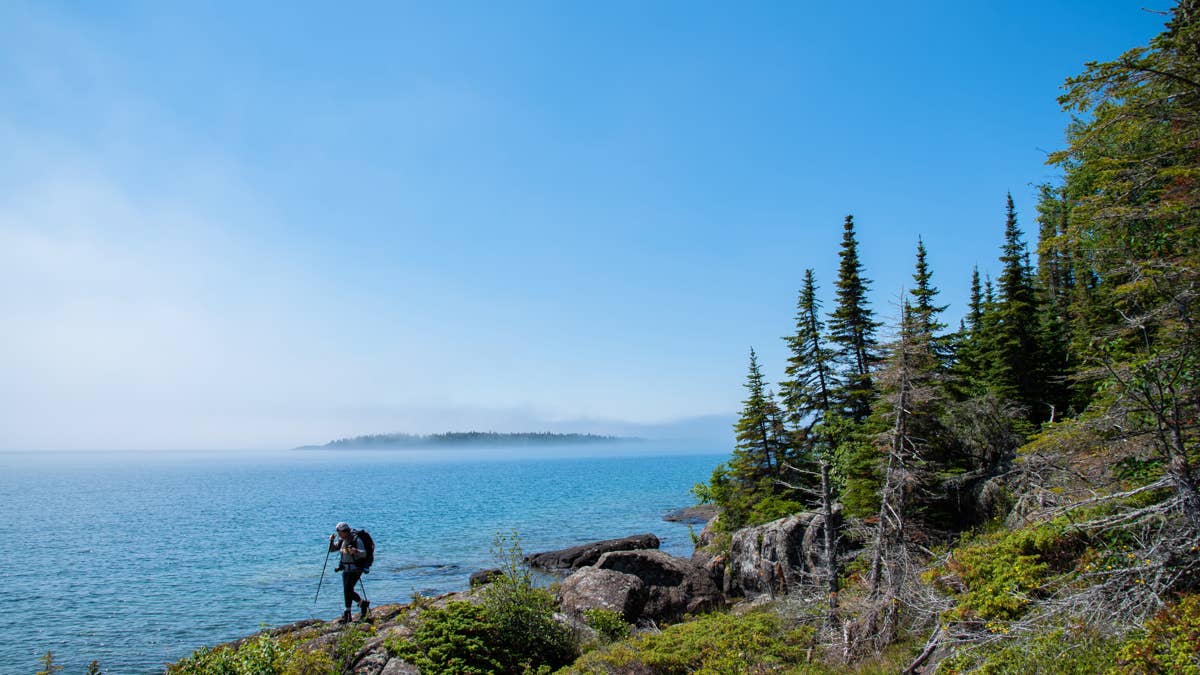
Shutterstock
“Reports of wolves being interested in tents at these campgrounds”: NPS
“The park continues to receive reports of wolves being interested in tents at these campgrounds, pawing and digging at tents and entering tents to drag packs and sleeping pads away,” the NPS statement reads further.
More Travel News:
- Another low-cost airline is betting big on Guatemala travel
- There is a very cool Irish version of swimming pigs in The Bahamas
- Unexpected country is most luxurious travel destination for 2026
- September and October are no longer the cheap time to book that trip
Three Mile and Rock Harbor campgrounds have seen the highest rates of wolves coming up to tents and, as a result, the park installed a cage in which campers were required to store their backpacks. The park already requires any food, trash, and items with a strong scent to be kept in storage lockers throughout the stay.
As wolf activity rose, it became easier to close several campsites in the eastern part of the park entirely. Due to Isle Royale’s isolated nature, it has limited rangers and rescue staff to respond to emergencies.
Park Superintendent Denice Swanke also said that the closures are a precautionary measure while for those staying at the lodge or other camping grounds, fall remains “a lovely time to visit the park.”
Related: This national park warns of extreme heat after string of deaths