Winning an Oscar and being part of multiple film franchises that have topped the box office charts does not guarantee endless success.
That’s a lesson Hollywood legend Phil Tippett has learned the hard way.
Tippett, who contributed special effects to multiple “Star Wars” films, “Robocop,” and the “Jurassic Park” franchise, filed for Chapter 11 bankruptcy in 2024, according to documents on PacerMonitor.
It was a drawn out Chapter 11 bankruptcy process that has taken nearly two years, but it’s culminating in an estate sale.
“After four decades in West Berkeley, legendary effects pioneer Phil Tippett is shutting down his namesake studio, and he’s got plenty of stuff to unload, including pieces related to his work for George Lucas, Steven Spielberg and Paul Verhoeven. On Aug. 28-29-30, Clarity Estate Liquidation is auctioning off just about everything not nailed down, including artifacts related to some of Hollywood’s most iconic films,” Berkleyside.org reported.
The closure comes after Tippett Studio’s lengthy Chapter 11 restructuring. It’s not, however, the final work for the studios’ owner.
Tippett Studio sells pieces of history
While Tippett Studio has closed, its owner has not stopped working. He recently contributed to “The Mandalorian and Grogu,” and has more work lined up.
Tippett has mixed feelings about auctioning of many of his legendary creations.
“I’d get a little twinge of regrets sometimes. But I don’t have any place to put anything. And I really don’t like to have my work stuff in the house,” he told CBS News.
Among the items being kept are the two Oscars Tippett won for his work on “Jurassic Park” and “Star Wars: Episode VI: Return of the Jedi.”
“They’re the big-ticket items and they were the most significant moments in my journey,” said Tippett.
Heavily inspired by the work of Ray Harryhausen, Tippett was hired by Industrial Light & Magic to create the holographic chess sequence in the first Star Wars. By the time Empire began production, Tippett was head of ILM’s animation department, according to Kotaku.
More Bankruptcy:
- Outdoors retailer closing 91 stores in Chapter 11 bankruptcy
- 97-year-old aerospace manufacturer files Chapter 11 bankruptcy
- 60-year-old dining chain franchisee files Chapter 11 bankruptcy
Tippett built physical props, something which has become less necessary in the modern era of CGI effects.
“As part of the liquidation, the trove of props, concept work, creatures and memorabilia is being sold off. Over the weekend, the Berkley effects shop had lines down the street as Tippett had a fire sale on his legacy,” Kotaku added.
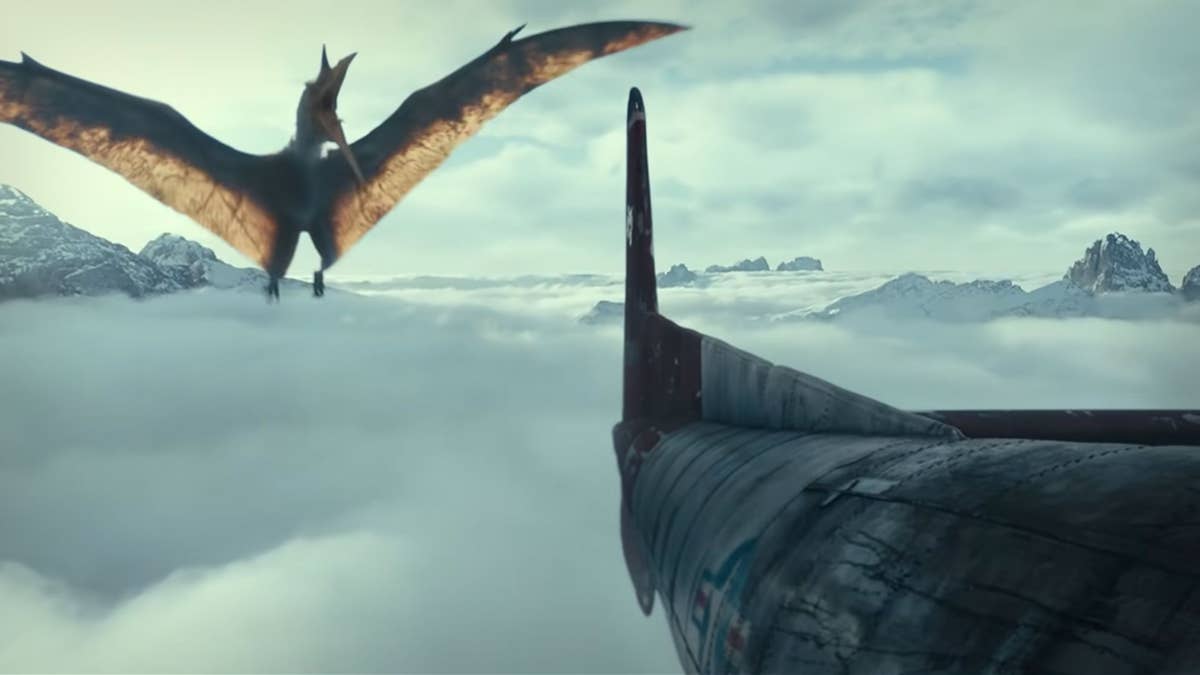
Universal Pictures
Tippett Studio Chapter 11 at glance
- Tippett Studio filed for Chapter 11 on May 1, 2024, in California, reporting $1 million to $10 million in both assets and liabilities. Bloomberg Law
- The Berkeley, Calif., visual-effects studio’s bankruptcy case is No. 24-40657 in the Northern District of California. Bankruptcy Observer
- The filing came just weeks after India’s PhantomFX announced it had acquired an 80% stake in Tippett Studio. PhantomFX
- A bankruptcy judge confirmed Tippett Studio’s reorganization plan on April 1, 2025. Bankruptcy Court records
- The historic Berkeley facility is now closing after nearly 40 years, with models, props, equipment and memorabilia being sold to collectors. CBS News
- Tippett Studio worked on major films including Star Wars, Jurassic Park, RoboCop and Starship Troopers, as well as The Mandalorian. Cartoon Brew
- The closure ends the Berkeley workshop founded by Phil Tippett and Jules Roman in 1984, although PhantomFX continues to use the Tippett Studio name. Cartoon Brew
What’s next for Tippett?
Although he is closing the Berkeley studio, Tippett said he is not ready to retire and plans to continue working.
“I will die with my sword in my hand,” Tippett told CBS News. “We had almost a 40-year run. It was a good run.”
Tippett is also holding on to a few treasured items.
“I’m keeping the Oscars,” said Tippett, 74, when Berkeleyside visited him recently in his studio, referring to his Academy Awards for special effects in “Return of the Jedi” and “Jurassic Park.”
Tippett said the studio’s demise was a prolonged affair and there were numerous causes, including the consolidation of Hollywood studios and tax incentives offered by cities and states competing for film production business.
ALSO READ: 43-year-old chicken chain, Chili’s rival, closes more locations