Over many decades, the belief that the vast majority of Americans have never left the country and do not hold a valid passport has become deeply ingrained into certain stereotypes about the country.
That number was indeed at 17% in 2000 and just 5% in 1990. However, annual data shared by the U.S. State Department shows that it has crept steadily upward as the evolution of airfare costs has significantly democratized international travel.
The latest number is that there are currently 183 million, or between 48% and 53% of the American population, passport holders in the country. With 27.3 million of these passport issued last year, 2025 was also a record year for Americans applying for passports.
Why only 18.5% of Japanese citizens have a valid passport
The countries with the lowest passport ownership rates are generally developing nations where foreign travel is inaccessible for reasons ranging from weak currency to stringent visa requirements. But Japan has long bucked this trend as having the lowest number of citizens with passports out of all developed nations.
According to the latest Henley Index, Japan tied with South Korea and the United Arab Emirates as having the second-most powerful passport in the world.
Related: U.K. and Ireland crack down on some entry rules for travelers
Numbers released every year by the Japanese Ministry of Foreign Affairs, meanwhile, show that 14.73 million Japanese, or 18.5% of the population, has a valid passport in 2026.
Amid a government initiative to encourage more Japanese citizens to apply for a passport and a lowered application cost, this number rose from 17.5% in 2025. However, it still remains significantly lower than in other Asian nations, such as Taiwan and South Korea, where the number is upwards of a respective 60% and 40%.
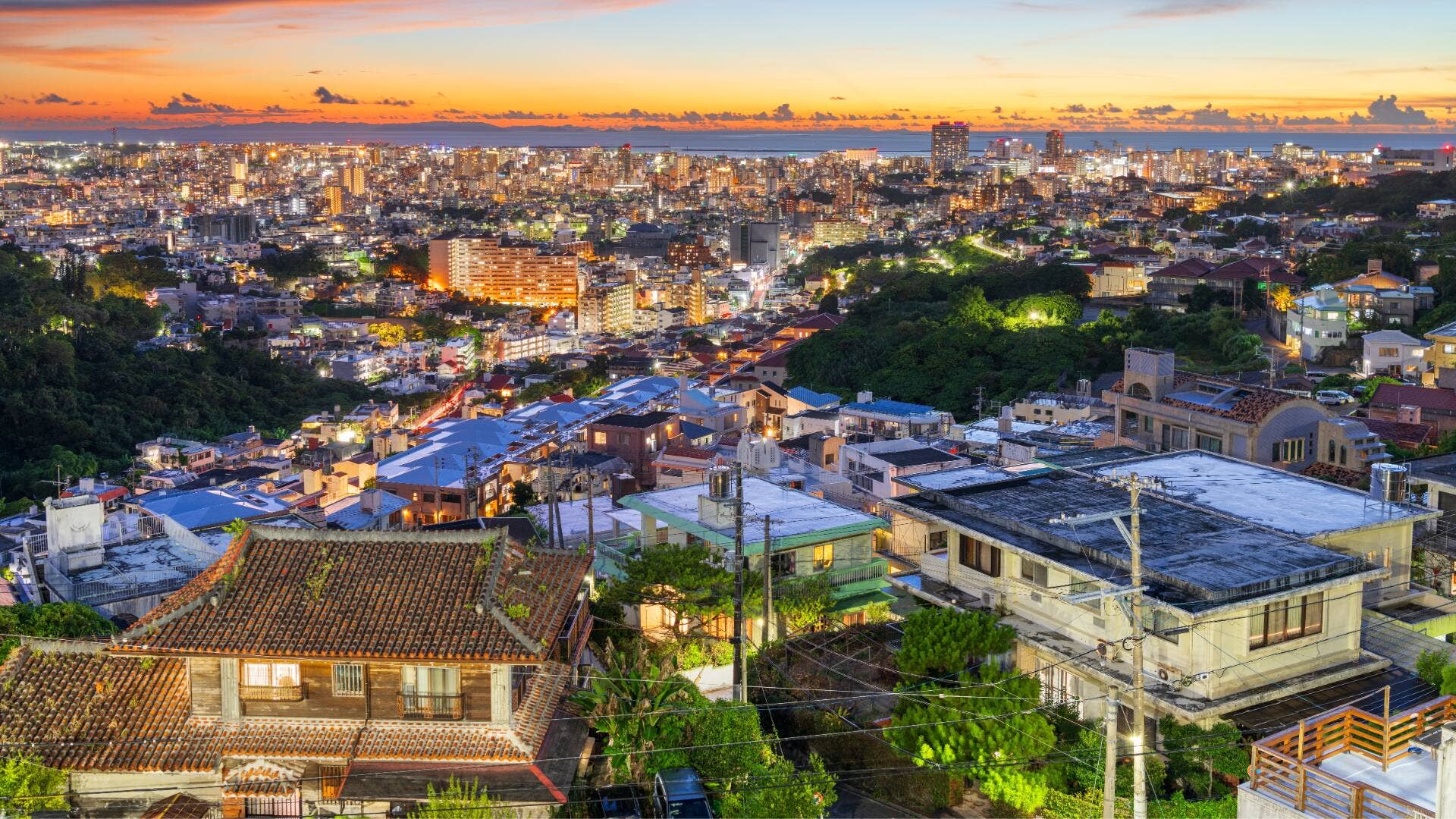
Shutterstock
Multiple factors keep Japanese citizens from traveling abroad
With the country also welcoming a record 42.7 million international travelers last year, Japan is in the middle of a tourism explosion that is not being reciprocated by Japanese traveling abroad at nearly the same scale.
The reasons for low Japanese travel abroad come down to a combination of a high cost of living that makes foreign travel an out-of-reach luxury for many, a work culture that does not leave much holiday time, and other cultural factors such as low foreign language skills and certain intergenerational traditions around domestic travel.
More Travel News:
- Airline to launch unusual new flight to Cayman Islands from the U.S.
- There is a very cool Irish version of swimming pigs in The Bahamas
- Unexpected country is most luxurious travel destination for 2026
- Low-cost airline launches easier way to get to Sri Lanka
“The reason is the same as why Americans don’t travel abroad very often,” one Japanese commenter wrote in a discussion on the subject in a Reddit forum. “Domestic travel is their main focus. Foreign countries involve language barriers, and safety concerns are higher than in Japan. This trend existed even before the yen depreciated.”
The Japanese yen hit a 40-year low earlier this year, according to CNN. Financial concerns hit a significant portion of the population and are increasingly affecting travel decisions.
While over 20 million Japanese traveled abroad in 2019, the numbers are slumping by between 28% and 35% of their pre-pandemic levels.
Related: The latest ultra-luxury train will come to Portugal