The average 30-year mortgage was 3.22 in January 2022, according to Freddie Mac. Before the year was over, it had surged past 7%.
People have been wondering when mortgage rates will go back down ever since.
For the last several years, a common housing-market narrative has been that high mortgage rates are stopping people from buying homes. Naturally, if mortgage rates decrease, Americans will jump at the chance to buy houses again. Right?
However, findings from the real estate technology company Zillow have complicated that narrative.
Less than half (42%) of renters said they would be very or extremely likely to buy a home if mortgage rates dropped, according to the 2025 Zillow Consumer Housing Trends Report. Nearly three in five expect to keep renting over the next year.
So, the question becomes: If lower mortgage rates aren’t enough to bring renters back into the market, what else is keeping them out?
The hidden costs of ownership are keeping buyers away
When thinking about a future housing payment, many people’s minds go to their monthly payments toward the loan principal and mortgage interest.
But a lot more goes into a monthly payment, including insurance and property taxes. And there are always the costs of unexpected repairs, such as a broken oven or air conditioning system.
An analysis by Zillow and Thumbtack found that the average annual “hidden costs” of homeownership in America total $15,979.
That includes $10,946 for home maintenance, $3,030 for property taxes, and $2,003 for homeowners insurance.
Related: Morgan Stanley’s troubling housing forecast is playing out now
At the time of the analysis, these three costs were increasing more quickly than household incomes. Together, maintenance, property taxes, and homeowners insurance rose 4.7% year over year, while household incomes only increased by 3.8%.
And these costs don’t decrease or go away when mortgage rates go down.
Let’s say a person’s monthly rent is roughly equivalent to their monthly principal and interest payment. If they kept renting instead of buying, that’s roughly $16,000 they could invest in the stock market and use to build wealth.
Many people feel that, unless wages spike and costs cool, buying a home doesn’t make financial sense.
The homeownership break-even point is getting longer
Renting may make more sense in the short term, but the rule of thumb has been that buying a home pays off in the long run. Generally, people say to expect to stay in a home for about five years before you break even, meaning the savings outweigh the initial expenses of a down payment and closing costs.
But a 2026 Zillow rent-versus-buy analysis discovered that the timeline is changing. Nationwide, buying can still make financial sense if the homeowner stays in the house for at least six years. And that’s assuming a 20% down payment, which few buyers can afford.
More Housing Market:
- Fannie Mae predicts where home prices are headed next
- Will the housing market crash in 2026? Experts weigh in
- Dream of owning a home is slipping away for young Americans
That estimate lengthens for people buying in areas with higher costs of living. In some high-cost markets, including Austin, Los Angeles, and Seattle, the break-even point stretches to roughly 18 years.
If you live in areas such as New Orleans, San Francisco, or San Jose, it could be closer to 30 years.
That’s a much bigger commitment — especially if you aren’t sure you’re going to stay in one place for decades.
And as the cost of owning a house rises, the old assumption that renting is merely a temporary stop on the road to homeownership is starting to change.
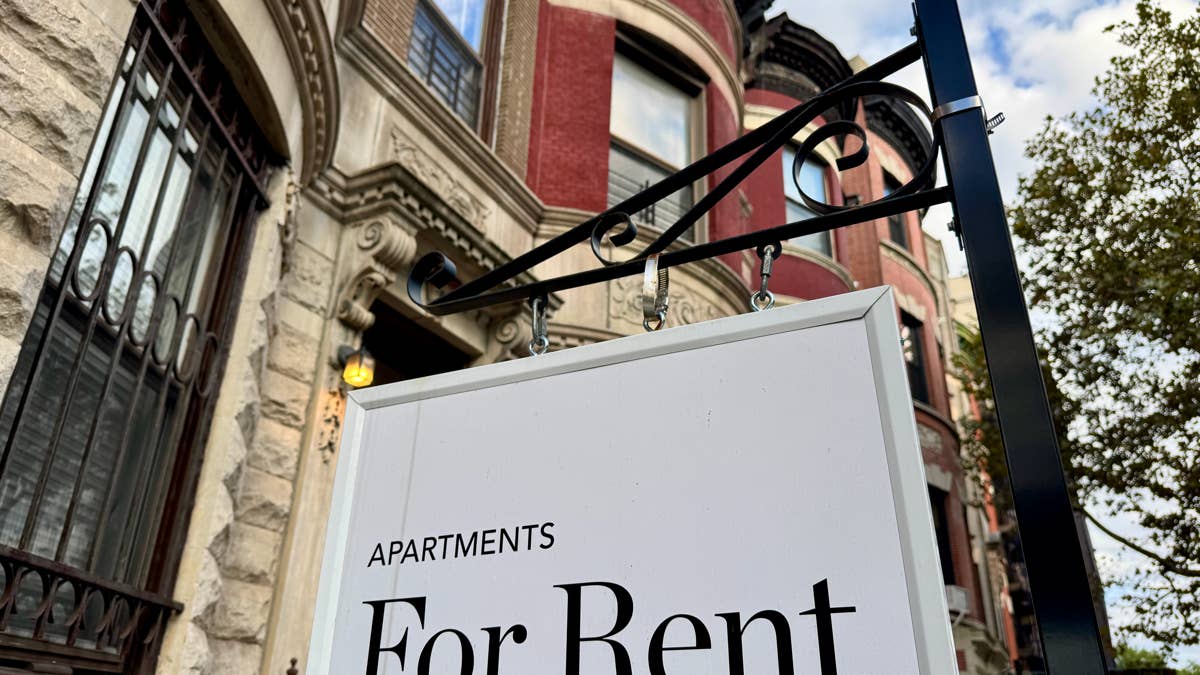
Renting is becoming a long-term choice
For generations of Americans, buying a home has been viewed as one of the biggest milestones of adulthood. It was a crucial step in attaining the American dream.
As for renting, it was a short-term solution while you saved to buy a house.
But younger Americans have been shifting their mindsets. Even those who can afford a house and qualify for a mortgage are seriously considering renting instead. For some people, it just makes more sense financially.
“It is not automatically smarter to buy, and it is not automatically a waste of money to rent,” Chief Economist Mischa Fisher wrote for Zillow.
“In a lot of high-cost markets, a household that could qualify for a mortgage is making a rational call by staying flexible and keeping its money invested, and plenty of people simply do not want the upkeep that comes with owning,” Fisher continued. “Renting is a legitimate long-term option, not a fallback.”
Related: Clark Howard sounds alarm on hidden fees inflating your rent