A forecast made from a White House podium is not a weather report. It is a promise with a date attached, and somebody eventually has to answer for it.
Washington makes these calls constantly. Most expire quietly, because nobody keeps a calendar.
Gasoline prices follow a predictable rhythm most years. Demand peaks over the summer, then drops off after Labor Day when the road trips end and the kids go back to school.
Refiners switch to cheaper winter blends around the same time. That seasonal math usually hands drivers 20 to 40 cents of relief between September and Thanksgiving.
The pattern has survived recessions, hurricanes, and refinery fires. It is one of the few things about energy markets a household can actually plan around, which is why the calendar on your fridge is a better forecasting tool than most of what gets said on television.
This year the rhythm is running into something it has never had to beat. A specific number, on a specific date, set by the Treasury secretary of the United States.
The window closes Sept. 20. On Sunday, Sept. 6, the man who runs the Energy Department was asked on national television whether the country would make it.
He did not say yes.
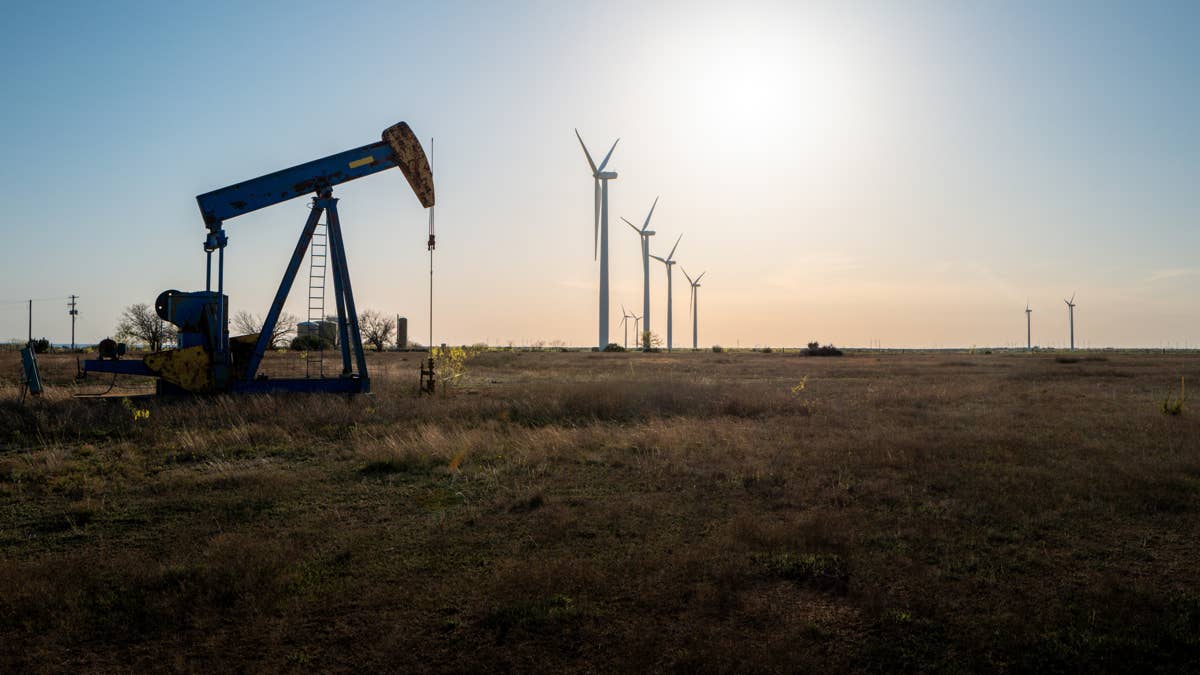
Why gas prices stopped following the seasonal script
The pump does not set its own price. It follows crude oil on a lag of roughly two to three weeks, and crude has been hostage to one waterway since late winter.
The Strait of Hormuz carries about one-fifth of the world’s oil, according to the U.S. Energy Information Administration. It has been effectively closed since the war with Iran began Feb. 28.
Related: Bessent is doubling down on cheaper oil for a third time
So the seasonal script broke. Gasoline demand did fall last week, sliding from 9.04 million barrels a day to 8.92 million, according to Energy Information Administration data cited by AAA.
Prices climbed anyway. Brent crude finished near $96 on Sept. 4, up almost 9% on the week for its strongest weekly gain since mid-July, according to Trading Economics.
When crude moves that fast, seasonal relief gets swallowed before it ever reaches your tank.
What Chris Wright actually said about $3 gas
Margaret Brennan put the question to Energy Secretary Chris Wright directly on Sept. 6, framing it around the Treasury secretary’s own timeline and asking whether drivers get back to $3 within two weeks.
Wright pointed to the end of summer driving season and a regulatory change that lets refiners squeeze more gasoline and diesel out of existing equipment. Then came the sentence that will follow him for the next 14 days.
More Oil & Gas:
- U.S. just secured control of Venezuela’s vast oil reserves
- Bessent just escalated his financial war on Iran
- Affirm CEO delivers bad news for U.S. consumers as demand spikes
Prices heading downward is “not an unreasonable expectation,” Wright said, according to CBS News.
That is a long way from yes.
He had been even more careful earlier that morning, saying he did not “want to have an opinion” on where prices go, before allowing that “if I had to guess, they’re more likely to go down than go up,” as reported by The Hill.
Two Sunday shows, two hedges, and a deadline his colleague set in April.
The target itself was never unconditional. Bessent tied it to the Hormuz negotiations, telling reporters at the White House on April 15 that Gulf finance ministers had assured him their countries could resume pumping within a week of the Strait reopening, The Hill reported.
The Strait has not reopened. That single unmet condition is the whole story of the last five months at the pump.
The arithmetic behind the $3 promise
I ran the numbers against AAA’s daily averages, and the gap is not close.
The national average sat at $4.147 on Sept. 6, according to AAA. Clearing $3 by Sept. 20 means shedding more than $1.14 a gallon, roughly 28%, in 14 days.
Call it 8 cents a day with no days off. Nothing in AAA’s modern record shows the national average falling that way without a demand collapse behind it.
Here is the scoreboard on the window Bessent opened:
- The national average was $4.11 on April 15, the day Bessent set the target, according to The Hill.
- The national average was $4.147 on Sept. 6, about four cents higher, according to AAA.
- Diesel hit an all-time high of $5.85 on Sept. 4, breaking the June 2022 record, according to AAA.
- Brent crude closed near $96 on Sept. 4, its best week since mid-July, according to Trading Economics.
- Extra fuel costs per household since Feb. 28 top $741, according to Brown University’s Iran War Energy Cost Tracker.
Five months of talk, and the pump ended up more expensive than where it started.
What record diesel prices cost your household
Gasoline is the number you see. Diesel is the number you pay without noticing.
The national diesel average hit $5.85 on Sept. 4, an all-time high that broke the record set in June 2022, according to AAA.
Diesel moves trucks, trains, and tractors. There is no consumer workaround for it, which means the cost reaches you in the grocery aisle rather than at the pump.
That is why the household figure matters more than the headline gallon. More than $741 in extra fuel costs since Feb. 28 is a car payment, or a month of groceries, according to Brown University’s tracker.
You did not choose that line item. It showed up anyway.
What to watch before the Sept. 20 deadline
Wright made one claim on Sunday worth checking yourself. He said U.S. oil exports through the Strait are the highest they have been since the conflict started.
TankerTrackers.com co-founder Samir Madani called similar math “mathemagics” last week, estimating that 9.14 million barrels actually exited the Arabian Sea on Aug. 31, according to Fortune.
My analysis keeps landing in the same place. Watch barrels, not podiums.
Two things could still move your pump price before Sept. 20. A credible reopening of Hormuz would pull the war premium out of crude within days, and Bessent has said Gulf producers can resume pumping within a week of that happening.
Absent that, the seasonal winter-blend switch is the only lever left, and it is worth cents, not dollars. Wright himself signaled back in April that sub-$3 gas might not arrive until 2027.
The midterms are less than two months out, which puts its own pressure on everyone quoted here. The pump does not vote, and it does not read transcripts.
If crude holds near $96, Sept. 20 arrives with a four in front of the number and a forecast nobody in Washington will raise again. Put the date in your calendar anyway.
It is the cheapest way to learn whose numbers to trust the next time one of them hands you a deadline.