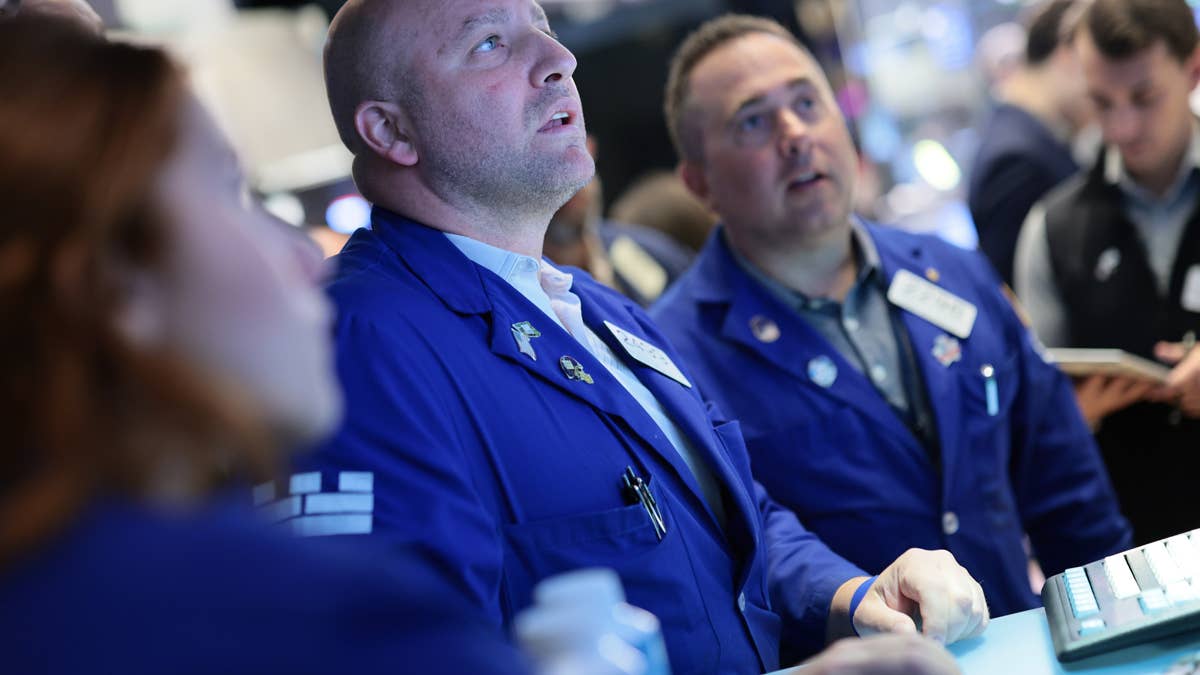
It has been a genuinely rough stretch for stocks, and the list of reasons keeps growing longer. Oil is surging, inflation data keeps coming in hotter than hoped, bond yields are climbing to levels not seen in years, and fresh worries about artificial intelligence are creeping into a market that had grown used to nothing but good news.
When conditions turn this chaotic, investors tend to look for one voice they trust to make sense of the noise. Warren Buffett has spent decades earning that role, and earlier this year, he offered exactly the kind of blunt, memorable warning that tends to age well.
Why Wall Street is rattled right now
The most immediate pressure is coming from energy markets. Oil prices have pushed past $100 a barrel and briefly topped $105 as the conflict in the Middle East drags on, with Iran’s targeting of U.S. Navy vessels and attacks disrupting Saudi energy production adding fresh volatility to already jittery trading, according to CNBC.
That spike is feeding directly into inflation worries across the broader economy. A wholesale inflation report released this September showed producer prices rising largely in line with expectations, but the broader trend of climbing energy costs has raised the odds that the Federal Reserve leans toward tightening rather than cutting rates, with a rate hike now widely anticipated at its September meeting.
More Warren Buffett:
- Warren Buffett reveals he broke his own investing pattern
- Warren Buffett has a blunt take on today’s market
- Warren Buffett pulls no punches on stock market for 2026
Bond markets have felt the strain just as much as stocks. Yields on the 10-year Treasury have climbed to around 5%, its highest level in years, while long-dated yields in the U.K. have climbed to multi-decade highs, and French borrowing costs have also surged. The moves reflect a global repricing of risk that has made borrowing more expensive across the board.
On top of all that, fresh anxiety about artificial intelligence is weighing on tech stocks specifically. Concerns about the pace of AI development have rattled some of the market’s biggest winners just as Anthropic prepares for a highly anticipated initial public offering expected in October.
This adds one more layer of uncertainty to an already tense few weeks for investors trying to figure out where to hide.
Buffett’s church and casino warning
The backdrop makes Buffett’s comments feel especially timely, even though he made them months earlier. Major indexes, including the S&P 500, Nasdaq Composite, and Dow Jones Industrial Average, have notched multiple record highs since the last bear market ended in 2022.
It’s helping reinforce a prolonged sense of optimism among investors, according to The Motley Fool. That extended run has left many investors feeling more comfortable with risk than the current environment may actually justify.
Buffett addressed exactly that comfort level during Berkshire Hathaway’s 2026 annual meeting in Omaha. Speaking with CNBC’s Becky Quick during the event in May, he was asked directly about a historically expensive market.
His answer leaned on an analogy he has used for years. “I’ve compared the markets to a church with a casino attached,” he said, describing the contrast between traditional investing and the increasingly speculative activity taking place in the market.
He added that the casino side had grown far more attractive to people lately, calling that shift “not investing, it’s not speculating, it’s gambling.”
Buffett went further, pointing specifically to the explosion in one-day options trading as evidence of how far sentiment has drifted. “We’ve never had people in a more gambling mood than now,” he said, a warning that the growing appetite for short-term speculation could leave many asset prices looking “very silly.”
The data behind Buffett’s caution
Buffett’s words have not been empty talk. Berkshire ended the first quarter of 2026 with a record of $397.4 billion in cash, cash equivalents, and short-term Treasury bills, the largest liquidity position in the company’s history.
Two valuation gauges back up his hesitation. The Buffett indicator, which compares total U.S. stock market value to GDP, sat above 234% as of late July, well beyond the 200% level Buffett once described as “playing with fire,” while the Shiller CAPE ratio stood above 41.9, as reported by TheStreet.
Berkshire’s own trading pattern tells a similar story. The company was a net seller of stocks for 14 consecutive quarters before finally reversing course in the second quarter of 2026. Most of that renewed buying concentrated in a roughly $17 billion purchase of Alphabet shares during the quarter, TheStreet reported.
Buffett has framed his patience in stark terms. “Three times since I’ve taken over Berkshire, it’s gone down more than 50%,” he said in one interview.
“This is nothing,” he added, referring to the market’s recent pullback. Making clear Berkshire was waiting for a much bigger decline before deploying substantial capital.
What investors should do now
None of this means Buffett is predicting an imminent crash, and his own comments have made that distinction clear. His warning targets speculative behavior, not the underlying case for patient, long-term ownership of good businesses.
History offers some reassurance here for investors willing to sit still. Buffett issued a similar warning about the same valuation ratio back in 2001, years before markets fully recovered from the dot-com collapse. Investors who stayed the course rather than panicking came out well ahead of those who bailed at the first sign of stretched prices.
With oil prices above $100, inflation pressure is building, bond yields are climbing, and AI sentiment is wobbling all at once.
Buffett’s message from Omaha reads less like old news and more like a practical checklist for the moment.
Separate genuine investing from speculation and resist chasing whatever asset is moving fastest. Let the current chaos sort itself out before mistaking a casino floor for a church pew.
Related: Warren Buffett doubles down on stock market message for 2026