Robert Isom has run American Airlines Group through some rough stretches. Yet even he admits the ongoing macro turbulence feels different.
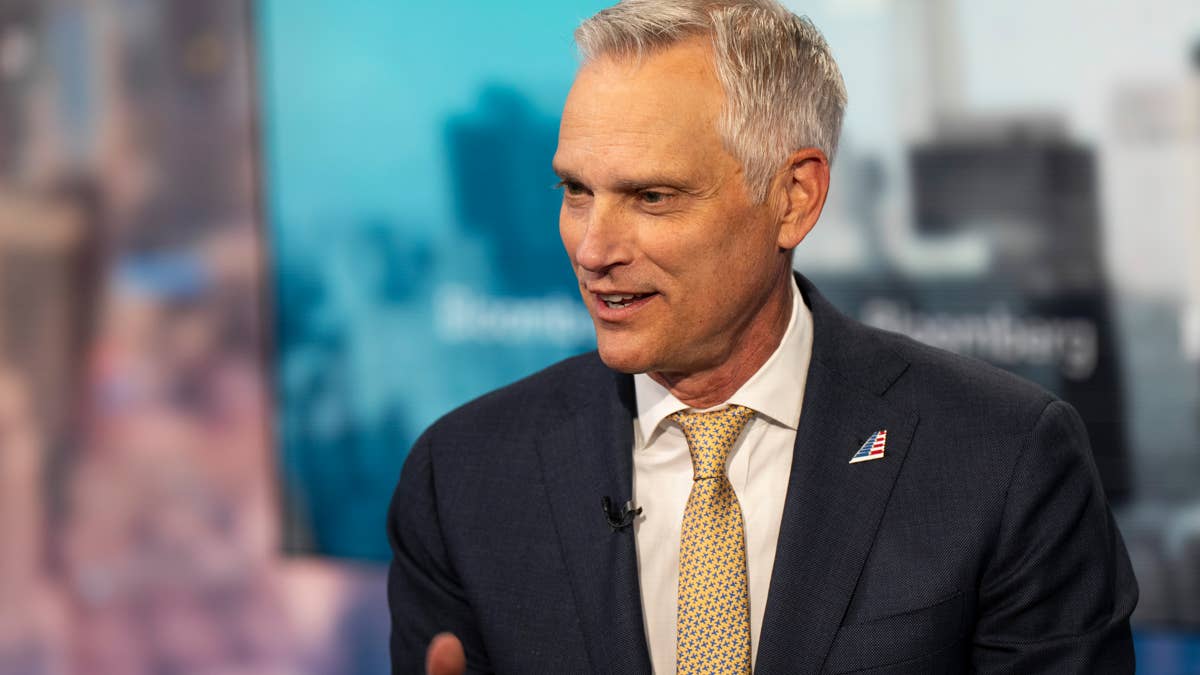
Speaking at Morgan Stanley’s Laguna Conference on Sept. 16, the American Airlines (AAL) CEO didn’t sugarcoat what’s eating into the carrier’s bottom line in 2026.
Wallets are open, and travel demand remains robust. However, jet fuel prices are a massive near-term headwind for AAL stock and its peers.
What’s driving AAL stock right now
American Airlines has spent the past few years rebuilding itself around what executives call four pillars: a stronger network, a better customer experience, more premium seating and a bigger loyalty program with AAdvantage.
Isom told the Laguna Conference that revenue growth this year has been “broad-based,” touching every region the airline flies and every cabin it sells.
Corporate travel bookings jumped 26% in the second quarter, marking five straight quarters of double-digit growth.
Related: Major airline launches new business class suites with sliding doors
Premium seats, which make up just 30% of American’s cabins, are now generating half of its ticket revenue.
None of that is new. American has been projecting corporate travel bookings and premium sales to expand over the past year.
What has changed is the backdrop those results are playing out against.
AAL CEO delivers tough fuel warning
Isom didn’t hide his frustration when the topic turned to fuel.
“I don’t like where fuel is today,” he said bluntly during the conference.
Isom explained that the real problem is something called the crack spread, the gap between what airlines pay for jet fuel and the price of crude itself.
That spread has roughly tripled, he said, something he hasn’t seen previously in his career.
The number crunching backs him up.
Chief Financial Officer Devon May told the same audience that fuel prices have climbed roughly $1 a gallon heading into the fourth quarter compared with what the company expected just months earlier.
More Airlines:
- Another airline cancels flights until August, offers some refunds
- Another airline will be dissolved, all flights canceled
- Airline shuts down, all flights grounded after accident
Every penny increase costs American Airlines about $10 million a quarter. Do the math, and that run-up works out to roughly $1 billion in extra fourth-quarter fuel expense.
That echoes what the company disclosed on its second quarter earnings call in July, when fuel expense jumped 83% compared with a year earlier, an increase of more than $2.2 billion.
At the time, executives said they expected almost $6 billion in additional fuel costs for the full year.
Here’s how the fuel spike has reshaped American’s financial picture over the past few months:
- Full-year pretax profit expectations dropped from an anticipated $1.5 billion down toward roughly breakeven, according to the company’s own comments.
- Third-quarter fuel prices are now projected near $3.75 a gallon, a jump that adds about $1.7 billion in yearly costs.
- Fourth-quarter fuel expense has risen by more than $1 billion since the company’s summer forecast.
- Capacity growth for 2027 will likely come in lower than planned three to six months ago.
- However, the airline still expects to generate positive free cash flow and end the year with less debt than it started with.
Revenue strength offers a cushion
Isom carefully separated the fuel problem from everything else happening at American Airlines. Revenue, he insisted, isn’t the issue.
“You put fuel aside and the revenue performance that you’ve seen at American, I’ve never seen in my career outside of recovery after maybe the pandemic or 9/11,” Isom emphasized.
That’s a striking comparison from someone who has spent decades in the airline business. It suggests the underlying demand story at American is real, even if fuel costs are currently masking it from investors watching the bottom line.
On the same call, May made a similar point, noting that the gap between American’s revenue growth and its controllable costs, meaning everything except fuel, is running exactly as strong as the company expected months ago.
What comes next for American Airlines stock
American Airlines is adjusting where it can. The company plans to trim some capacity in December to offset higher fuel costs and is more selective about growth heading into 2027 than in earlier plans.
Isom framed the situation as temporary, pointing out that fuel prices historically don’t stay elevated forever.
When they normalize, he argued, American’s cost discipline and the revenue gains from its four-pillar strategy should translate into real margin improvement, stronger free cash flow, and continued debt reduction.
For now, though, the message from American’s top executive is straightforward. The airline is doing almost everything right on the revenue side.
Fuel is the one variable standing between American and the kind of turnaround Isom has been promising investors for more than a year.
Related: Stanley Druckenmiller buys this Warren Buffett airline stock in Q2