Fear is the easiest thing in finance to sell, and the hardest to time.
For more than a decade, Robert Kiyosaki has told readers of “Rich Dad Poor Dad” that the biggest crash in history is coming. The prescription barely changes: own gold, silver, bitcoin, and real estate, and get out of cash.
Kiyosaki built the Rich Dad brand around that message, and he has repeated some version of it for years. His readers have learned to expect it, which is part of why the warnings land softly.
That last instruction is the one that reaches ordinary savers. Most people sitting on cash are not speculating on it. They are holding an emergency fund, a house deposit, or tuition due in the spring.
Where that money sits varies enormously. Some of it earns close to nothing at a big bank, and some of it earns a rate that beats inflation. Most savers never check which one they have.
On Sept. 15, Kiyosaki said the wait was over. The next day, the Federal Reserve did something it had not done since 2023, and the effect landed on the one asset he keeps telling you to dump.
Kiyosaki says the biggest crash has started
“BIGGEST CRASH IN HISTORY has started,” Kiyosaki wrote in a post on X (the former Twitter) on Sept. 15. “In 2026, that crash started, in Europe,” he added in the same post, tying the call to his 2002 book, “Rich Dad’s Prophecy.”
He blamed speculation in artificial intelligence, war in the Middle East, U.S. debt, and baby boomer retirements, according to IBTimes UK. People over 40 with a “401(k), IRA, or Superannuation” account “could be in trouble,” he warned, the outlet reported Sept. 15.
Kiyosaki sells Rich Dad books and courses, has said he bought a gold mine, and holds real estate, oil, gold, silver, and bitcoin instead of cash, according to the same report. “Just bought a GOLD mine in Utah,” he wrote in a March 2022 X post.
That detail belongs on the table when you weigh the advice. The man telling you to buy metals has his own money in producing them.
Europe and Japan trade below records, still up for the year
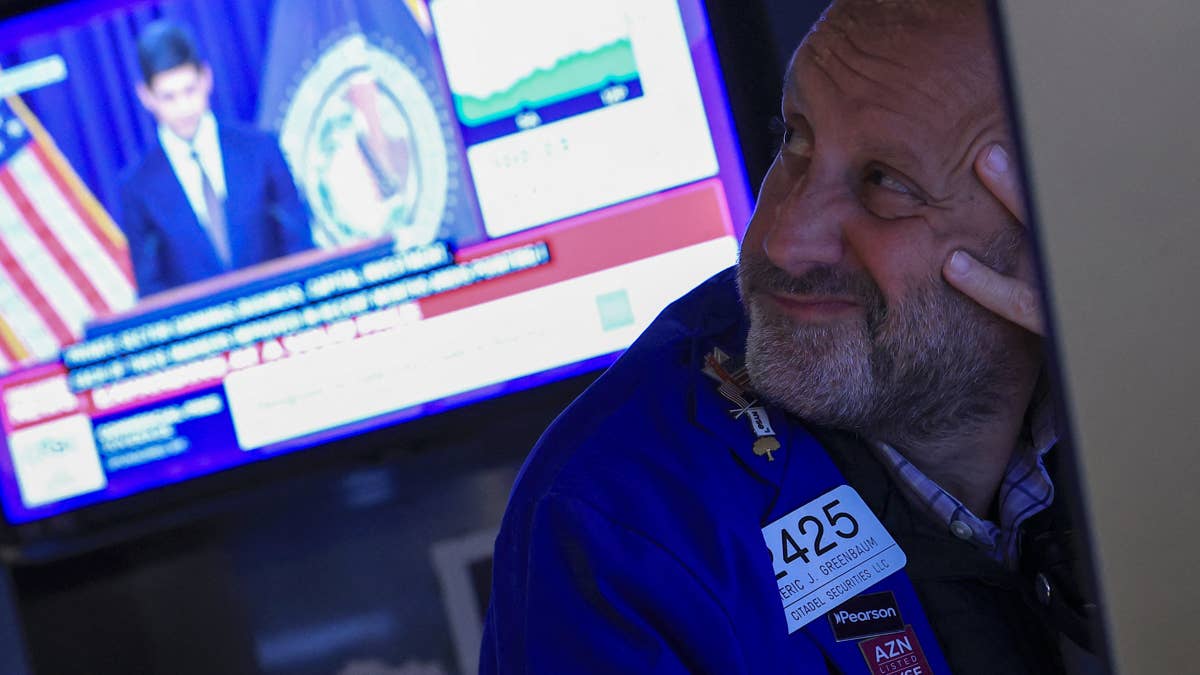
Start with Europe, where Kiyosaki says the crash began. The Euro Stoxx 50 closed Sept. 18 at 6,228.55, down 1.49% on the day, according to Trading Economics. That leaves the index 5.37% below its August record of 6,582.30, and still up 14.11% for the year.
Japan has taken a harder hit. The Nikkei 225 finished Sept. 18 at 65,019, about 10.94% below its June peak of 73,007, according to Trading Economics’ Japan data.
More Economic Analysis:
- Musk is betting AI doubles US growth by next year
- Economist warns Fed, Warsh on track for big surprise
- S&P 500 analyst does an about-face on street-high target as Fed cracks down
Even so, the Nikkei is up 44.34% in 2026. It rose 1.4% after the Bank of Japan lifted its benchmark rate to 1.25% from 1.0%, the highest in 31 years, the Associated Press reported Sept. 17.
At home, the S&P 500 closed Sept. 18 at 7,650.50, per Trading Economics’ U.S. data. That is 2.13% below its August record of 7,816.70 and 14.80% higher than a year earlier.
Each of those markets sits below a record while still up over 12 months. That is a pullback, and it is the ordinary cost of owning stocks.
Kiyosaki has called this crash before
He has made a “started” call before. His prophecy of the biggest crash in history “is coming true, in 2025. Markets are crashing,” he wrote on X on Feb. 8, 2025.
The S&P 500 has set several record highs since then, the latest in August 2026.
Related: Robert Kiyosaki sends blunt stock market warning
TheStreet has tracked the pattern, including his May warning of the worst crash since the Depression. He “has called for crashes that never arrived and issued warnings that proved years premature,” that piece noted.
His metals call deserves credit over longer stretches. Gold is up 18.96% from a year ago, according to Trading Economics’ gold data.
The timing is where it gets expensive. Gold closed Sept. 18 at $4,383.45 an ounce, 21.84% below its January record of $5,608.35. A $10,000 purchase at that peak is worth about $7,816 now.
Cash now pays 4.10% after the Fed rate hike
The Federal Reserve raised its benchmark rate a quarter point to a 3.75% to 4% range on Sept. 16, its first rate hike since 2023.
The top savings rate is 4.10% APY at CIT Bank, about six times the national average of 0.64%, according to Bankrate. CIT requires a $5,000 balance to earn that rate.
The top 100 money market funds averaged 3.51% as of Sept. 15, CNN reported. Three-month Treasury bills yielded 4.08% on Sept. 18, per Trading Economics’ bill data.
Prices rose 3.4% over the 12 months through August, the Bureau of Labor Statistics reported. That is the bar any cash yield has to clear.
Kiyosaki’s havens vs. your cash at a glance
- Euro Stoxx 50, Sept. 18 close: 6,228.55, or 5.37% below its August record
- Nikkei 225, Sept. 18 close: 65,019, or 10.94% below its June peak
- S&P 500, Sept. 18 close: 7,650.50, or 2.13% below its August record
- Gold, Sept. 18: $4,383.45 an ounce, or 21.84% below its January record
- Top savings APY (CIT Bank): 4.10%
- National average savings APY: 0.64%
- Top 100 money market funds, Sept. 15: 3.51%
- Three-month Treasury bill, Sept. 18: 4.08%
- CPI, 12 months through August: 3.4%
What a 4.10% savings rate means for your money
I ran $10,000 through both rates. The national average pays about $64 a year. The top account pays about $410.
After 3.4% inflation, the average account costs you roughly $276 in buying power over a year. The top account leaves you about $70 ahead.
Kiyosaki has a point about idle cash. A savings account paying the national average quietly shrinks once inflation is counted.
The cheaper fix never shows up in his posts. Moving the same dollars into a top-yield insured account beats inflation at current rates, without taking on gold’s price swings.
Banks competing for deposits may raise CD rates “by more than a Fed rate hike,” First Bank CEO Patrick Ryan told CNN.
4 moves worth making this week
- Check where your emergency fund sits. Shifting $10,000 from the national average to an insured high-yield account adds about $346 a year.
- Keep contributing to your 401(k). The 2026 limit is $24,500, or $32,500 if you are 50 or older and $35,750 at ages 60 through 63, the IRS said. Stopping on a headline also forfeits any employer match.
- Know what your account holds. Kiyosaki’s sharper question, what is actually inside your 401(k), matters most if you are near retirement and heavy in stocks.
- Size any metals bet small. Gold’s 21.84% slide from its January peak shows why the amount matters more than the idea.
The next Fed decision sets what your cash earns
Sixteen of 18 Fed officials expect another hike before year-end, CNN reported. The next rate announcement is scheduled for Oct. 28, according to NerdWallet, and savings and money market yields could move again within days of it.
Kiyosaki may be right about a crash eventually. He has been saying so long enough that one will arrive on his watch.
My read is simpler. The cash he tells you to dump is paying you 4.10% to wait, and a patient saver can use that time to decide what to buy when prices really do fall.
Related: Robert Kiyosaki has a strong warning on 401(k)s for all Americans