If all goes well, passengers flying into one of Washington, D.C.’s three area airports shouldn’t notice anything different about their travel experience, except possibly more efficiency, after the Federal Aviation Administration (FAA) unveiled its new AI-powered air traffic control system.
This week, U.S. Transportation Secretary Sean Duffy and FAA Administrator Bryan Bedford unveiled the Strategic Management of Airspace, Routes and Trajectories (SMART) platform.
SMART centralizes 200 data streams – including weather patterns, flight paths, traffic flow, and controller staffing metrics – to give air traffic controllers a “comprehensive visualization of where planes are going, how much traffic the system can handle, and where congestion or weather could cause challenges.”
Duffy and Bedford promise that the system will lead to fewer delays and cancellations, increased flight capacity, and lower ticket prices through less wasted fuel and reduced staffing.
“By fundamentally reshaping how we manage our airspace and preventing problems before they happen, SMART will slash those frustrating delays, reduce stress on air traffic controllers, and lower travel prices,” Duffy said.
But not everybody is on board with the new system. Shortly after its unveiling, Rep. Don Beyer (D-VA) released a statement calling for SMART to be suspended.
Congressman Beyer doesn’t want to turn constituents into ‘guinea pigs’
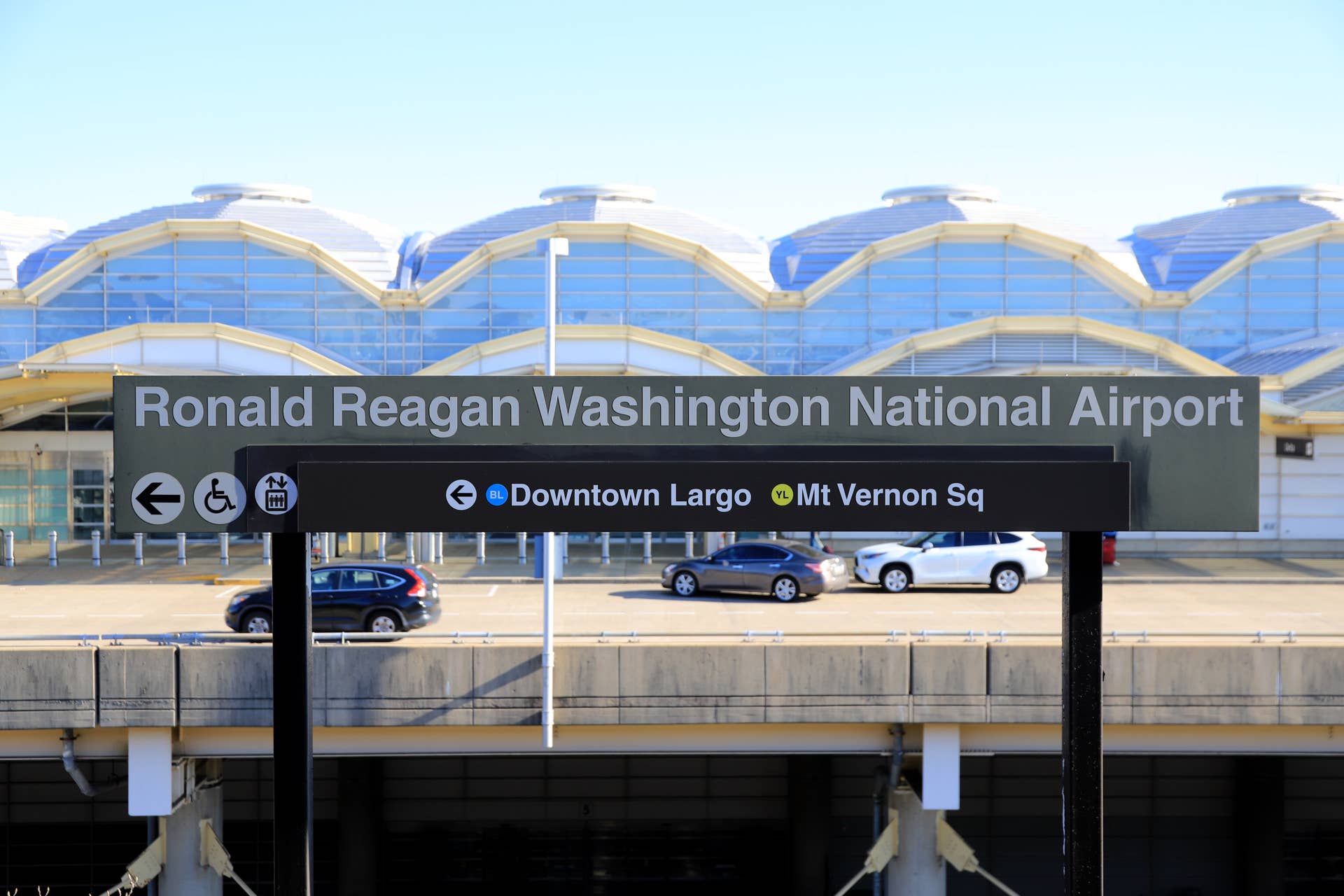
The FAA rolled out SMART in a limited capacity Monday, Sept. 20, “in the airspace around Washington, D.C.” with plans to expand the system gradually to other parts of the country. Congressman Beyer represents the Northern Virginia district that includes Ronald Reagan Airport, and he doesn’t believe his constituents should be the test case for this technology.
“The FAA should not use my constituents as guinea pigs for an unproven AI air traffic control system,” Beyer said in a statement shortly after Duffy released his. “The safety of the 24 million people traveling through DCA each year must be the top priority. Residents of this region are still uncertain about air safety after last year’s fatal accident, and the Administration did shockingly little to educate the traveling public about this development before implementing it in one of the most complex airspaces in the world.”
The accident Beyer is referring to is the collision between a U.S. military Black Hawk helicopter and American Airlines Flight 5342 over the Potomac River in Washington that killed 67 people in January 2025.
D.C. airspace features all types of government aircraft constantly flying into and around the capital-area airports. The Black Hawk was found to be at fault for the collision, which occurred at an altitude of about 300 feet and just half a mile short of the runway threshold at DCA as the American Airlines flight was making its landing approach.
It was the first major U.S. commercial passenger flight crash since 2009 and was the deadliest U.S. air disaster since 9/11. So understandably, Beyer feels like his constituents deserve to have some peace of mind about the new system.
What is driving Beyer’s opposition to SMART?
According to Beyer, he was informed Monday that air traffic controllers were not consulted on the AI-driven system’s design and development, and were not trained on it before its deployment.
He says he was also told that the system can adjust schedules and potentially even routes on its own. He also points to media reports saying airline industry insiders are more than a little nervous about the change.
“Despite outward appearances, the airlines reportedly were privately ‘panicking’ about the hasty implementation of this system,” Beyer said. “I do not know why the Administration felt the need to race it into use, but it is unacceptable to use AI as a substitute for rebuilding the human-directed air traffic controller workforce.”
He called on the FAA to immediately suspend SMART’s operation until human air traffic controllers can offer feedback and independently verify through stress testing that the technology is safe.
“Dangerously rushing a system that holds Americans’ lives in its hands is not a good use case for artificial intelligence,” he said.
How does the FAA’s SMART system work?
According to the FAA, thousands of scheduled flights face built-in delays daily because airspace demand exceeds capacity at airports across the country. That leads to congestion, delays, and an increased chance that something could go wrong.
Additionally, adverse weather can further reduce available airspace capacity, forcing the FAA to reroute flights or shut down large portions of airspace.
According to the agency, SMART fixes this problem by “moving the FAA from a reactive approach to a predictive one.” So instead of waiting until congestion is a problem, SMART uses data to help the FAA “anticipate demand, weather and airspace constraints and plan hours, days and even weeks ahead.”
The FAA made it clear that SMART cannot replace the role air traffic controllers play or take over control of an aircraft and that all of its recommendations are reviewed by FAA staff and local leadership at air traffic control facilities.
What the industry is saying
While Beyer suggests that airline industry leaders are “panicking” behind closed doors, publicly they have been effusive about the system.
“United believes that using SMART to open airspace intelligently has the potential to significantly reduce delays and cancellations during weather events,” said United CEO Scott Kirby. “We are excited to partner with the FAA to realize the potential benefits for our customers and employees.”
Delta’s CEO is also on board.
“Delta fully supports the FAA’s efforts to modernize the National Airspace System through investments in technologies that can enhance operational efficiency, improve situational awareness, and help reduce congestion, including the SMART initiative,” said Delta Air Lines CEO Ed Bastian.
Bastian also says that his company was “actively engaged” in the platform’s development process.
American Airlines CEO Robert Isom applauded the FAA for its “efforts to leverage technology” and said his company is “working closely with the FAA on their ATC modernization efforts.”
Related: Rocket Lab, SpaceX fall despite historic FAA deregulation