Eli Lilly (LLY) already sells the two biggest weight-loss drugs in the United States. Now a change in Medicare is adding a rush of new patients on top of that.
On Sept. 21, Chief Executive David Ricks told CNBC that 700,000 seniors have started GLP-1 treatments since Medicare began covering obesity drugs in July. Seven out of every 10 of those new patients chose a Lilly medicine, he said.
Lilly now earns most of its money from two products: the diabetes shot Mounjaro and the obesity shot Zepbound, which share the same active ingredient, tirzepatide.
A newer pill, Foundayo, gives it a third way to reach patients. Washington just expanded Lilly’s biggest market, and Lilly is taking most of the new demand.
Eli Lilly is capturing most of Medicare’s new weight-loss patients
Ricks called the rollout “very encouraging” and said the wider growth of the GLP-1 market “is what we had hoped,” according to CNBC. Eligible Medicare members can get their weight-loss prescriptions for a flat fee of $50 a month through a temporary federal program called Bridge.
Medicare covers about 66 million people who are 65 or older or living with a disability, and Lilly has said roughly 20 million of them qualify under Bridge. The program is set to run until the end of 2027.
Medicare had treated obesity as a lifestyle problem rather than a disease for decades. With that barrier gone, the question for investors is who captures the new patients, and the early answer is Lilly.
GLP-1 drugs mimic a stomach hormone that reduces appetite and slows digestion, so people eat less and lose weight.
Until July, most seniors could not pay for these drugs because Medicare was prohibited by law from covering weight-loss treatment. The $50 copay changed that, and Lilly is getting the largest share of the new sign-ups.
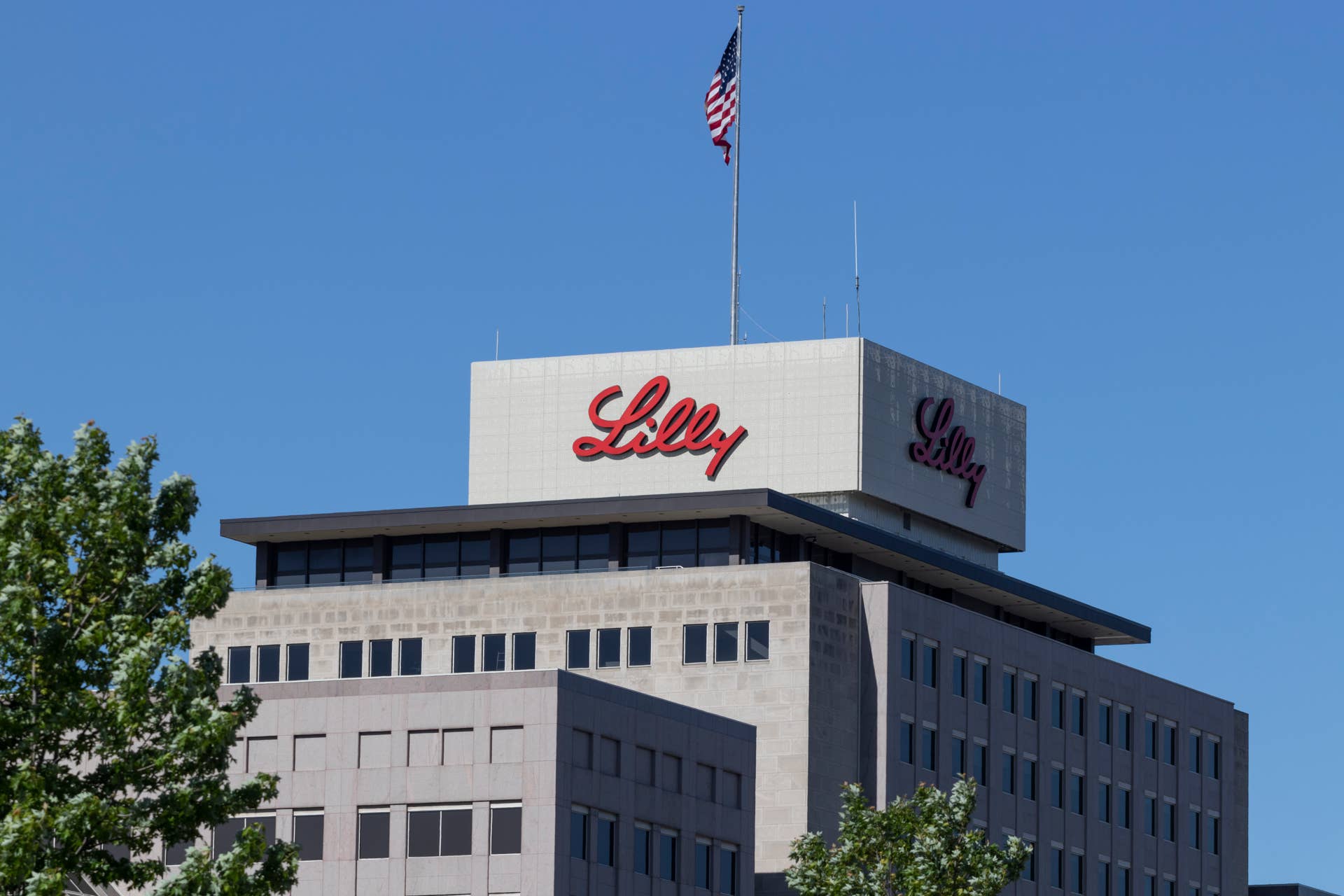
How Zepbound and Foundayo pill are widening Lilly’s lead
Zepbound is the main driver. Ricks said doctors are steering patients with the highest body weight and the most health complications toward the injection, and many stay on it. “That’s where Zepbound plays a big role,” he said.
The pill is also important for a different reason. Foundayo reached the U.S. market in April and is now taking about one-third of new patients who start an oral GLP-1, a share Ricks said grows weekly.
Many people avoid GLP-1 shots because they dislike needles, so an effective pill can reach patients avoiding the injection.
More Healthcare Stocks:
- A drugmaker is gaining from the side effects of weight-loss drugs
- Morgan Stanley flags Amgen’s edge after heart-drug rival stumbles
- Why Morgan Stanley likes Gilead’s HIV prevention play
Foundayo brought in $98 million in the second quarter, which was its first full three months on sale, CNBC reported. Increased pill production could widen Lilly’s profit margins, since it avoids the costly manufacturing and cold-storage steps that injection pens require.
To keep up with high demand, the company began building a $6.5 billion factory in Houston on Monday, Sept. 21. The plant will produce the drug’s main ingredient and is expected to open by 2030.
Where Lilly stands against Novo Nordisk, and what analysts see next
Lilly’s rise has come at the expense of Novo Nordisk (NVO), the maker of Ozempic and Wegovy, which reached the weight-loss market years earlier.
In the second quarter, Lilly held about 61% of the combined U.S. obesity and diabetes drug market, compared to Novo’s roughly 39%, according to CNBC.
Related: Jim Cramer sends strong 5-word message on surging biotech stock
Most analysts covering Lilly remain positive, though their price targets vary widely. Guggenheim’s Seamus Fernandez, a veteran biopharma analyst, kept a Buy rating and raised his target to $1,284, pointing to strong U.S. tirzepatide sales, Benzinga reported.
Berenberg lifted its target to $1,400, which implied about 25% gains, noting Lilly’s record of turning research spending into returns, GuruFocus confirmed. Citigroup’s Geoff Meacham set an even higher $1,600 target.
LLY trades near $1,165, up about 8% in 2026 but down roughly 7% over the past month, and it remains below its 52-week high of $1,292.65. A price-to-earnings ratio near 39 also sets a high bar for results.
What the Medicare win means for LLY stock investors
The Bridge program shows that Washington is willing to pay for obesity treatment, which supports the case for years of high-volume sales. However, there are some limits worth considering before treating the win as a permanent one.
Bridge is temporary and expires at the end of 2027 unless it is renewed. Without insurance, these drugs cost about $1,000 a month. If a million seniors begin taking them, it will strain the federal budget and force the government to demand lower prices from drugmakers.
On the other hand, supporters argue that paying for the drugs now will save Medicare money later. They believe helping seniors lose weight will prevent expensive future treatments for heart attacks, strokes, and diabetes. This potential for long-term health savings is the main argument for covering these drugs on a large scale.
For anyone holding or considering LLY, watch Foundayo’s prescription growth and the company’s third-quarter results, due on Oct. 29. Also, pay attention to any news regarding whether the Bridge program is extended.
Related: Morgan Stanley uncovers major Bristol Myers stock signals