After a long day, cooking dinner can feel like an unwanted chore.
While ordering takeout does solve that problem, the final bill can make the convenience harder to justify.
And grocery chains are increasingly seeing an opportunity between these two choices.
Adding to a growing list is ALDI, which is launching its first-ever collection of fresh, ready-made meals.
This has put the fast-growing discount grocer into a category already being targeted by Walmart, Kroger, and other major food retailers.
The seven-meal lineup will begin rolling out in select ALDI markets in early October before reaching stores nationwide by January 2027, according to the company.
Five single-serve meals will cost less than $8, while two family-size options will cost less than $15.
The lineup includes Beef Bolognese Spaghetti, Butter Chicken & Rice, Chicken Burrito Bowl, and Chicken Fettuccine Alfredo, as well as larger Chicken and Bacon Mac n’ Cheese and Meat Lovers Pizza Bake meals.
Unlike frozen dinners, ALDI says the meals will be delivered fresh and sold refrigerated near the front of its stores.
The company also plans to introduce additional ready-made options through ALDI Finds every month over the next year.
“We’re evolving to meet our shoppers where they are by delivering fresh ingredients, great flavor, and unbeatable value they can always expect from ALDI,” said Joan Kavanaugh, Vice President of National Buying.
The move also gives ALDI another way to compete for food spending at a time when Americans are increasingly looking to grocery stores for meals that require little or no preparation.
ALDI enters ready-made meal battle
ALDI is hardly the first major retailer to see an opportunity in prepared food.
Walmart already sells hundreds of fresh-prepared items through its Marketside brand. They range from refrigerated meals to family-size options such as ready-to-bake chicken enchiladas and chicken-bacon-ranch bakes.
Here’s some of my coverage of changing grocery business:
- Aldi: The discount grocer is rapidly expanding across the U.S. as shoppers continue looking for lower prices.
- Kroger: Kroger has been adding exclusive products and new reasons for customers to visit stores as competition intensifies.
- Grocery prices: Shoppers remain under pressure from elevated food costs, making cheaper meal options increasingly attractive.
Kroger has also built a major presence in the category through Home Chef, the meal-kit company it acquired in 2018. Home Chef offers fully cooked Heat & Eat meals that can be prepared in the microwave in minutes, as well as oven-ready meals, traditional meal kits, and family-size options.
Target similarly has dozens of prepared entrees, sides, and meal solutions through its Good & Gather private-label brand, including refrigerated pasta dishes and prepared chicken options.
Whole Foods Market has gone even further by positioning its prepared-food department as an alternative for shoppers experiencing what it calls “kitchen fatigue.”
The Amazon-owned chain sells ready-to-eat, ready-to-heat, and ready-to-cook meals, as well as family-size prepared dinners.
The reason so many retailers are investing in the category is becoming clearer.
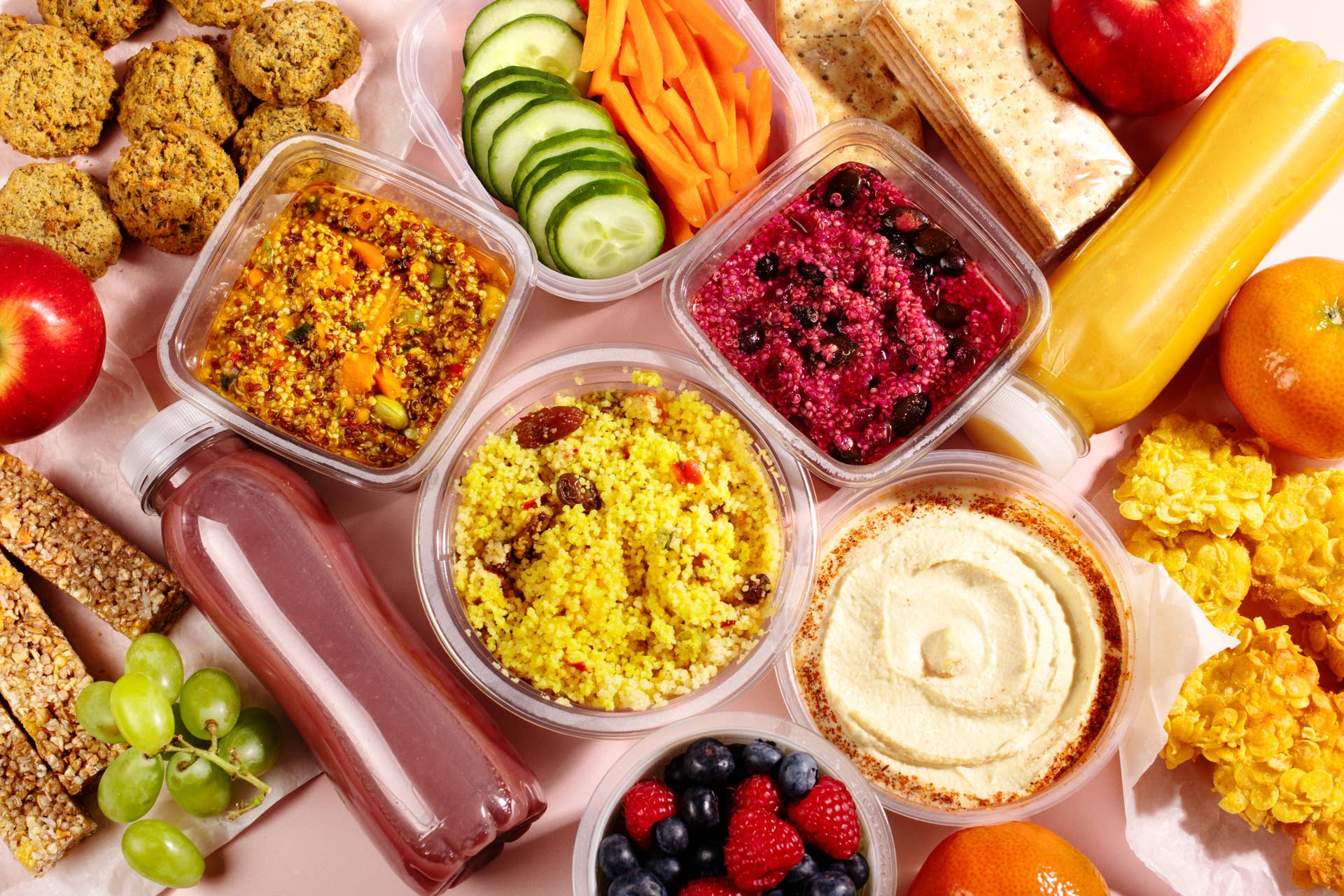
Shoppers are turning grocery stores into restaurants
Prepared food gives supermarkets an opportunity to capture spending that might otherwise go to restaurants, fast-food chains, or delivery apps.
A McKinsey study found that the frequency of grocery-store prepared-food purchases increased 9% from August 2024 to August 2025.
When consumers were asked why they purchased prepared foods from grocery stores, 74% cited convenience and 68% said saving time, according to McKinsey’s 2026 The State of Grocery study.
The consulting firm said that means grocery retailers are increasingly competing not just against one another but for a larger share of consumers’ overall meal occasions.
Affordability is helping accelerate that shift.
In 2026, half of shoppers told The Food Industry Association (FMI) that their families were eating fewer restaurant meals and ordering less takeout and delivery.
Meanwhile, 44% said they were having more family meals at home than a year earlier, and 35% said they were cooking more often.
Consumers who buy prepared, ready-to-eat or ready-to-heat lunches from grocery stores primarily do so because they are fast and convenient, FMI found. This creates an opening for retailers to sell shoppers something more profitable than individual grocery ingredients while still offering a meal that can cost less than restaurant takeout.
The shift was already evident in 2025.
The percentage of consumers choosing deli-prepared foods in place of restaurant meals more than doubled to 28% in 2025 from 12% in 2017, according to FMI.
Another 53% of consumers said they used a hybrid approach, combining prepared grocery-store foods with items they already had at home.
Ready-made meals aren’t an easy business
Growing demand does not guarantee success.
Blue Apron provides one recent example of the challenges involved in producing and distributing fresh meals at scale. FreshRealm, which was the exclusive producer of Blue Apron’s meal kits, filed for bankruptcy protection in April after food recalls and other financial pressure.
It sought court approval to sell the operations that supply Blue Apron to the online grocer Misfits Market.
The problems underscore the operational risks around fresh food, including sourcing ingredients, managing shelf life, and maintaining reliable production.
For its new offering, ALDI is working with supplier Kitchen Food Company. The company said hundreds of recipes were tested before the final collection was selected.
“We want every meal to hit the mark on bold flavor and stand out ingredients, so even when time is short, shoppers can still look forward to what’s on the table,” said Terry Jackson, Head of Food at Kitchen Company.
But ALDI is entering the market with one advantage that shoppers already strongly associate with the chain: price.
The company is charging less than $8 per individual meal and less than $15 per family-size meal at a time when consumers remain highly sensitive to food costs.
ALDI also said on Sept. 23 that it is investing an additional $86 million in lower prices this fall, with nearly one-third of its everyday in-store assortment now priced below that a year ago.
The retailer is simultaneously expanding its physical footprint. ALDI plans to open 180 U.S. stores in 2026 as part of its aggressive expansion across the country.
Adding ready-made meals gives those stores another chance to capture shoppers who may not be looking only to fill a grocery cart.
Related: Grocery chain closes stores, leaving shoppers with fewer options