That was a fun week for investors, right?
Ok, you’re allowed to say, “That was a bit too much volatility for relatively little gain.”
By which we mean this is how the market ended the week with a big, broad rally: The Standard & Poor’s 500 Index was up 1.2% for the week. The Dow Jones Industrials gained a whopping 0.3%.
Related: A bond market revolt pushes a key rate to 19-year high
The Nasdaq Composite added an OK 2%. We say OK in this instance in part because of the volatility during the week and because the index jumped 8.7% over two weeks at the end of June and early July.
At the same time, the bond market had a meltdown. Investors sold the 10-year bond heavily, pushing the 10-year Treasury yield to levels not seen since July 2006. The yield hit high as 5.23% on Sept. 25 before drifting to a close of 5.17%.
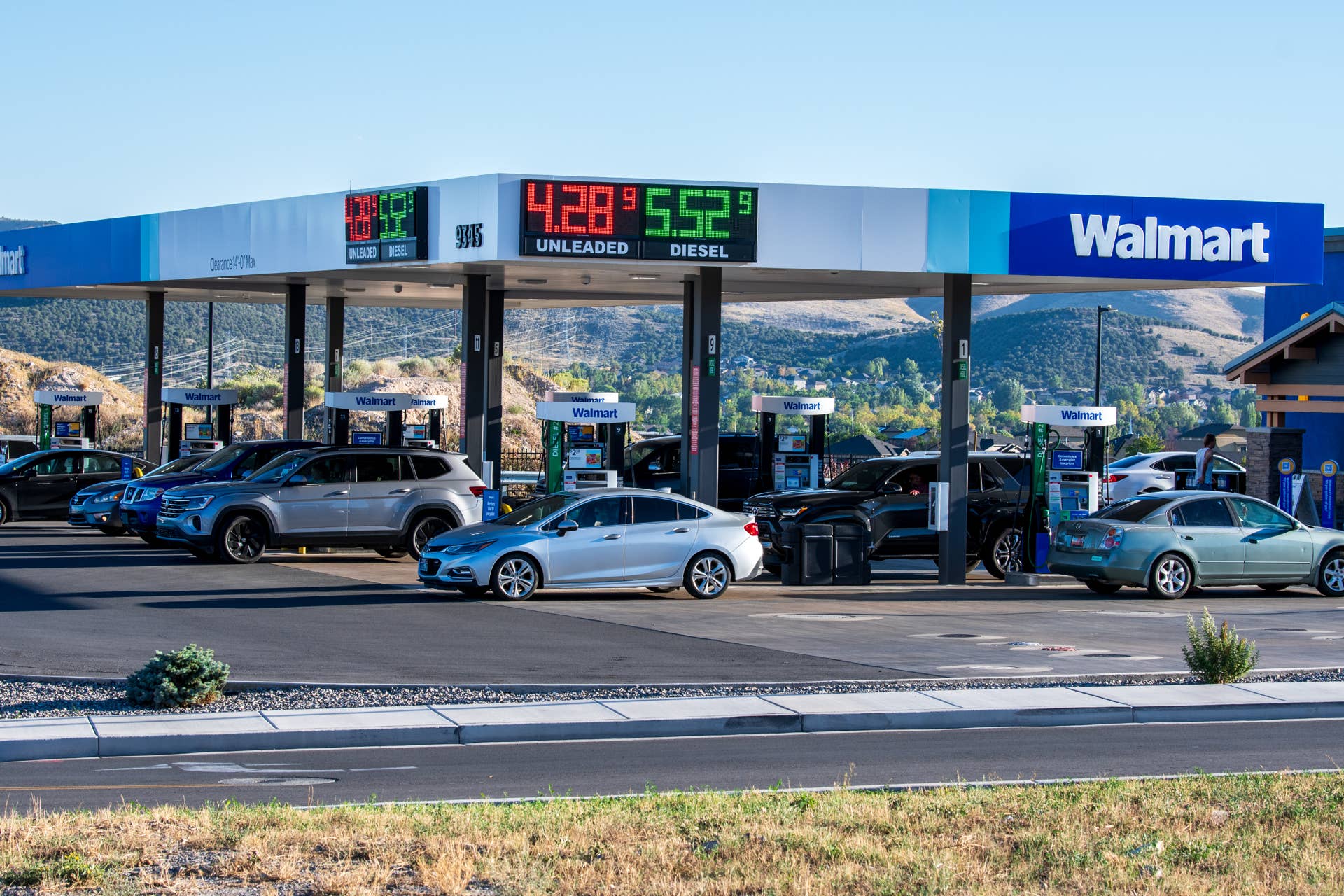
And truckers, farmers, construction companies, and railroad companies were all weighed down by diesel prices that topped $6.50 a gallon nationally — and nearly $8.50 a gallon in California.
In fact, my colleague Daniel Klein found this ugly stat: At least 16 trucking companies started bankruptcy proceedings between late August and Sept. 21.
So, after taking a breath and uttering an epithet or two, it’s time to ask, “What do I face next?”
Here are four questions investors might want to ask:
- What will happen with interest rates?
- What will happen with oil prices — and, yes, diesel and gas prices, too?
- Will tech stocks reassume their leadership of the stock market?
- What will the September jobs report show?
The jobs report will grab lots of attention
My list may sound backwards because the monthly jobs report from the Labor Department is typically the single most important economic report of the month.
But Wall Street doesn’t think you will see much change in the unemployment rate or jobs data for September from August. Right now, the consensus is:
- New jobs created in September: 100,000. That would be down from 162,000 in August. That number is likely to see a revision.
- The unemployment rate: 4.2%, up from 4.1% in August.
As important: the Commerce Department’s data on personal income and expenses, due Sept. 30. The Personal Consumption Expenditure Index could impact whether the Federal Reserve raises interest rates again on Oct. 28.
Oil and the Middle East: Never far from mind
Rising interest rates and oil prices dominated market thinking this past week and will again next week.
Higher rates and higher oil prices are both the product of pressures unleashed by the war begun on Feb. 28 when Israel and the United States attacked Iran.
This week, Iran proposed a seven-day ceasefire and then would have reopened the Strait of Hormuz and engaged in negotiations over its nuclear infrastructure. The Wall Street Journal reported late on Sept. 25 President Trump has already rejected the offer and expects to resume bombing after the Nov. 3 midterm elections.
So, the war and the daily ups and downs of oil, diesel and gasoline prices will be front and center next week and, at the least, constant background noise for the next six weeks.
Energy stocks: Still the top S&P 500 sector
Energy stocks should continue to be strong. As well they should, so long as crude oil remains at $90 or higher.
The sector has been the strongest sector of the S&P 500 for most of 2026, up 38.4% year to date, according to Barchart.com data. Marathon Petroleum, Valero Energy and Phillips 66 have been the sector leaders.
The November contract for light sweet crude, the U.S. benchmark crude, finished at $92.41 per 42-gallon barrel on Sept. 25, up about 60% on the year. Brent Crude for November delivery was at $104.32 a barrel. Traders are expecting the war to end some time and see prices falling 17-to-20% by spring 2027. That’s not a certainty.
How about tech stocks?
Technology has been the S&P 500’s leading sector for the last month, led by Intel, Crowdstrike Holdings and Skyworks Solutions.
Artificial intelligence shares saw renewed interest when Facebook parent Meta Platforms began to look lively in the last month, in part because of its introduction of Muse, its digital personal AI agent. The stock is up 31% in the last month.
The sector is up 28% year to date. And stocks like Nvidia and, especially, Micron, a key player in the AI buildout, have been huge performers.
Micron is up 279% year-to-date and 13% so far in September. It reports fiscal fourth-quarter results after the Sept. 30 close and the week’s key earnings report.
The consensus estimate seems to be revenue of $51.1 billion, up more than 350% from a year ago, says StockAnalysis.com. Earnings are projected at $31.50 a share, up 940% from a year ago.
More Economy:
- 16 trucking companies filed for bankruptcy in 30 days
- Iran breakthrough
- Goldman Sachs delivers its verdict on inflation and jobs
Other earnings this week
It’s a light week for reports. If you want big reports, they start Oct. 13 when JPMorgan Chase reports third-quarter results. The big tech reports start Oct. 28 with Alphabet, Microsoft and Meta.
This week’s reports:
Sept. 28
- Jefferies Financial
- Vail Resorts
Sept. 29
- Cruise line operator Carnival
- Used-car giant CarMax
Sept. 30
In addition to Micron:
- Jabil
- FactSet Research Systems
- Conagra Brands
Oct. 1
- Consulting giant Accenture
- Sports equipment giant Nike
- Spice maker McCormick & Co.
Related: Retail brand admits its pricing pushed its biggest fans away