In every gold rush, the people selling picks and shovels tend to get paid whether or not any single miner strikes it rich. Wall Street has been relearning that lesson all year with artificial intelligence.
The companies building AI models and apps carry the risk that the payoff never arrives. The companies selling them servers get paid when the order ships.
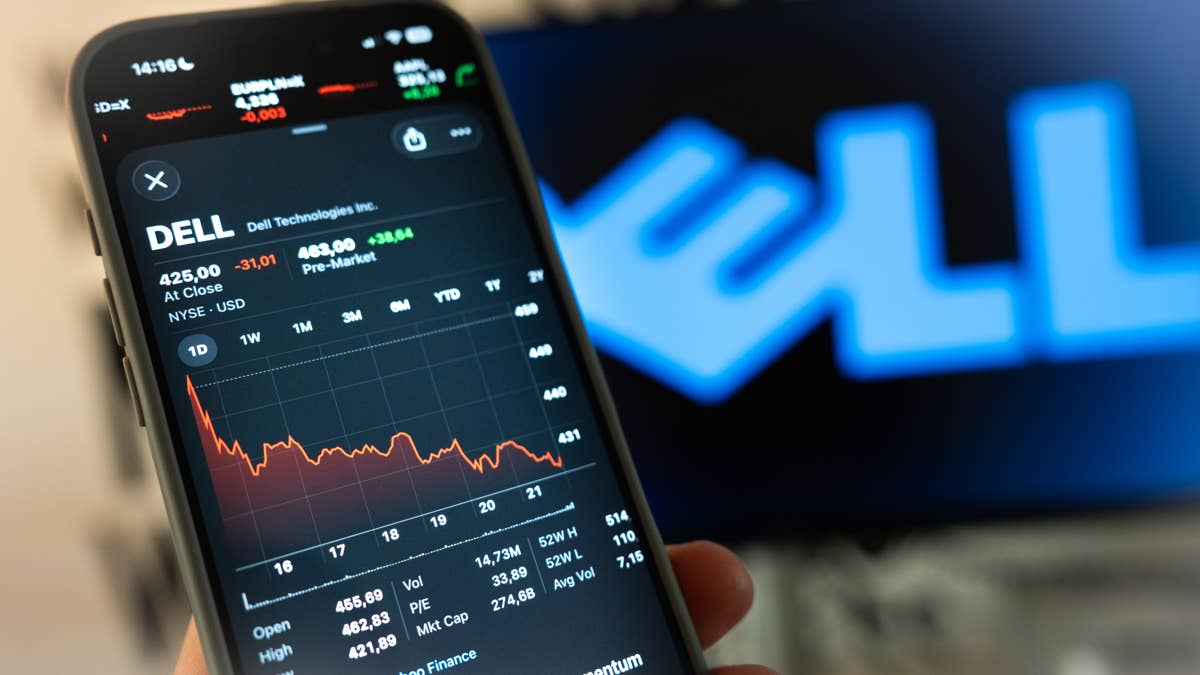
Dell Technologies (DELL), which joined the S&P 500 in 2024, has been one of the clearest winners on the seller side. Its shares are up 345% since the start of 2026, according to Forbes.
That bet paid off again on Sept. 25. A major Wall Street bank raised its odds on Dell’s best-case scenario, and the stock jumped.
Dell founder, chairman and CEO Michael Dell added more than $11 billion to his fortune in a single session, reaching $276.4 billion and passing Mark Zuckerberg and Sergey Brin to reclaim No. 4 on Forbes’ real-time billionaires list.
AI server orders build a $95 billion backlog
Dell spent decades as a PC brand, but its fastest-growing business now sells the servers that run AI data centers. In its fiscal second quarter ended July 31, the company booked a record $60.9 billion in AI server orders and exited with a record $95 billion backlog, according to Dell’s earnings release.
Related: Michael Dell’s net worth and salary as Dell CEO
Total revenue hit a record $47 billion, up 58% year over year, with $16.4 billion coming from AI-optimized servers. Adjusted earnings rose 203% to a record $7.04 per share.
“That’s clearest in our AI server business,” Vice Chairman and Chief Operating Officer Jeff Clarke said in the release, pointing to the record orders.
Related: Dell enters the S&P 100 index after monster 3-year rally
The company also raised its fiscal 2027 revenue forecast by $25 billion to $192 billion. Its AI customer base grew from 5,000 to 6,500 in a single quarter, according to a company blog post.
In my analysis, the backlog matters more than the quarter. At $95 billion, it’s roughly twice Dell’s quarterly revenue, which gives investors unusual visibility into sales that have already been ordered.
Morgan Stanley raises odds on a $756 bull case
Morgan Stanley (MS) raised the probability it assigns to its $756 bull-case scenario for Dell after meeting with Clarke, while leaving its Neutral rating and $511 base-case target unchanged, GuruFocus reported.
More Wall Street:
- Piper Sandler revamps Meta stock price target after cutting it 3 weeks ago
- Jim Cramer drops another stock market warning
- Palantir’s CEO just sent a message Silicon Valley won’t ignore
The debate is whether AI spending is another hardware replacement cycle or a lasting expansion in computing demand. Clarke told the bank that AI agents could push inference-token usage 87 times higher by 2030, according to GuruFocus.
That was enough to move the stock. Dell shares gained more than six percent to $570.72 in Friday trading, Forbes reported.
The rebound followed a brief pullback tied to executive stock sales, Forbes noted. Dell had closed at $536.02 on Sept. 24.
Here’s the detail most coverage skipped. Dell now trades above Morgan Stanley’s $511 base case, so buyers are paying for the outcome the bank still treats as less likely.
Michael Dell’s fortune by the numbers
Here’s where the Dell founder stood on Sept. 25, according to Forbes.
- Net worth: $276.4 billion, up more than $11 billion on the day.
- Ranking: No. 4, about $6 billion behind No. 3 Larry Page at $282 billion as of 1:30 p.m. ET.
- Passed: Sergey Brin and Mark Zuckerberg.
- Year-to-date gain: about 94%, from roughly $141 billion in January.
- Peak rank: No. 2, reached earlier in September.
- Dell Technologies stake: roughly 40%.
DFO Management and Broadcom round out his wealth
Most of Michael Dell’s wealth rides on the company he started in his University of Texas dorm room in 1984. He holds a stake of roughly 40% in Dell Technologies, according to Forbes.
The rest sits largely in DFO Management, his private investment firm, which invests in hotels and liquid corporate credit, Forbes reported. He also owns a multibillion-dollar stake in Broadcom (AVGO), another big winner from AI hardware spending.
That mix explains the size of his swings. When Dell stock moves six percent in a day, a 40% owner feels it in the tens of billions, which is why his fortune has nearly doubled since January.
It also cuts the other way. Dell’s own customers decide how fast AI server orders keep coming, and a backlog can shrink as quickly as it grew if big buyers slow their spending.
What the rally means for your portfolio
A 345% run in nine months is rare for a company Dell’s size. It also means much of the good news may already be reflected in the stock price, which is the tension in Morgan Stanley’s Neutral rating.
Related: Dell Technologies Inc. Q2 2027 Earnings: Recap of $DELL Earnings Call, Forecast
If you hold Dell directly, I’d watch two numbers when the company next reports in late November: how much of the $95 billion backlog converts to revenue, and whether new AI orders keep pace.
If you own it through an index fund, the lesson is position size. Dell’s weight in the S&P 500 grows with every leg of this rally, so check whether your tech exposure has drifted above what you planned.
Michael Dell’s jump shows where the AI money is flowing today. The next test is whether that $95 billion backlog turns into revenue as fast as Wall Street now expects.