Another grocery chain is shrinking its footprint, leaving some communities without a familiar place to shop for their weekly groceries.
For consumers who rely on a nearby supermarket, the loss of a location can mean longer drives, fewer convenient options, or the need to find a new store.
Now, a regional chain is closing two more locations, affecting more than 100 employees as its parent company continues to reassess its store portfolio.
Founded in 1936, Kings Food Markets is a regional grocery store chain with approximately 18 locations across Connecticut, New Jersey, and New York. The brand has been owned by Acme Markets, a subsidiary of Albertsons Companies, since 2020.
Read more: Customers losing a beloved 47-year-old convenience store chain
Kings Food Markets is closing more stores
Kings Food Markets is closing two stores in New Jersey by Jan. 2, 2027, according to a notice filed with the New Jersey Department of Labor & Workforce Development.
The locations include:
- Hillsdale: 381 Washington Ave
- White House Station: 531 US Hwy 22 E
The closures are the result of expiring leases that Acme Markets chose not to renew as it focuses resources on other stores, News12 reported. The company said it regularly evaluates its store locations and real estate portfolio to ensure it is positioned to serve customers and operate efficiently.
A total of 122 employees will be affected by the shutdowns. The company said it will try to transfer impacted workers to other nearby Kings Food Markets locations or provide severance when applicable.
The closures will leave Kings Food Markets with 14 remaining stores in New Jersey, according to its store locator.
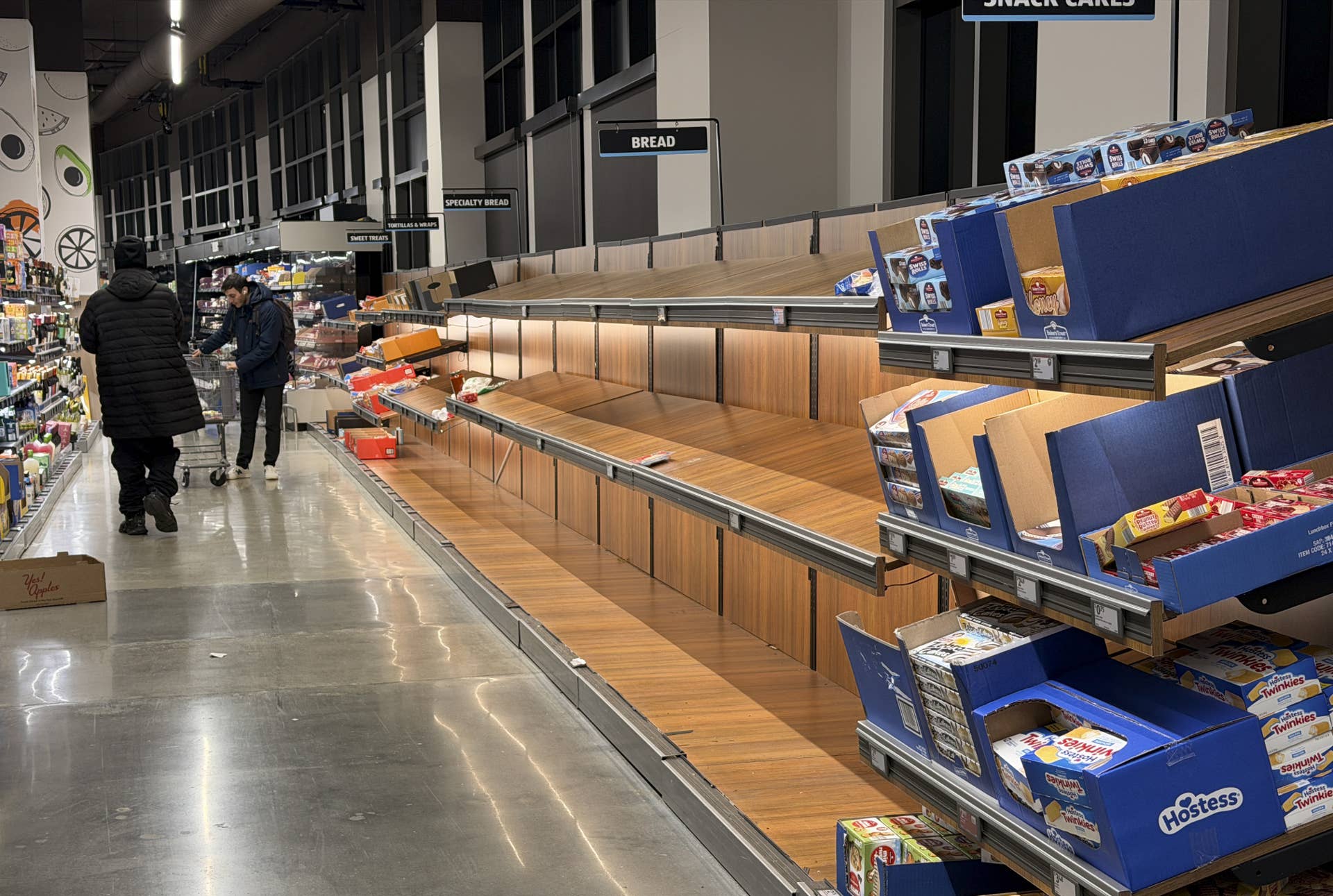
Why Kings Food Markets continues closing stores
The latest closures come after Kings Food Markets filed for Chapter 11 bankruptcy protection in 2020 and was later acquired by Acme Markets for $96.4 million.
Since the change in ownership, several Kings Food Markets locations have closed, including stores in Chatham, Maplewood, Long Hill, Hoboken, Bernardsville, Warren, and Ridgewood, NJBIZ reported.
The continued closures have further reduced Kings Food Markets’ presence across New Jersey.
At the time of the acquisition, there were 27 Kings Food Markets and Balducci’s Food Lover’s Market locations, according to the company announcement.
The closures also follow the collapse of a proposed $24.6 billion merger between Kroger (KR) and Albertsons (ACI) that was blocked in 2024. The failed deal put pressure on both companies to reassess their store portfolios, including by closing underperforming locations and reallocating resources to higher-performing stores and digital operations.
Albertsons‘ portfolio spans 22 banners across 35 states, including Albertsons, Safeway, Vons, Jewel-Osco, Shaw’s, ACME, Tom Thumb, Randalls, United Supermarkets, Pavilions, Star Market, Haggen, Carrs, Kings Food Markets, and Balducci’s Food Lovers Market.
Grocery industry rivals are also closing stores
Kings Food Markets is not the only supermarket company adjusting its store footprint. Several other grocery chains have also announced or completed store shutdowns in recent months.
Here’s some of my previous coverage of grocery store closures:
- Grocery Outlet: Closed 12 stores during the 13 weeks ended July 4, 2026, including nine locations tied to its Optimization Plan.
- Ahold Delhaize USA: Closed several stores in 2026 and late 2025.
- Brookshire Grocery Company: Closed four locations across Louisiana and Arkansas in July 2026.
- The Fresh Market: Closed at least four locations nationwide since late 2025.
The closures come as retailers continue to evaluate their physical footprints amid changing consumer shopping habits, economic uncertainty, and trade pressures.
Grocery visits declined 0.2% year over year in the latest measured period reported by Placer.ai, adding to signs that retailers are under pressure to make their physical store networks more efficient.
At the same time, grocery sales increased 1.2% in 2025, although McKinsey & Company reported that the increase was driven by a 2.2% rise in prices while grocery volume fell 1%.
For consumers, the impact can be more tangible. When a familiar grocery store closes, shoppers may have fewer convenience options close to home, even as the broader grocery market continues to grow in dollar sales.
Related: Grocery chain closes stores, leaving shoppers with fewer options