Throughout my 20s, people warned me to wait to buy a home until I was certain I would live there for at least five years.
The idea was that the financial benefits of owning would finally outweigh the costs of buying, including the down payment, closing costs, and other expenses I wouldn’t have faced as a renter.
After reaching that break-even point, my home could become a tool for building wealth.
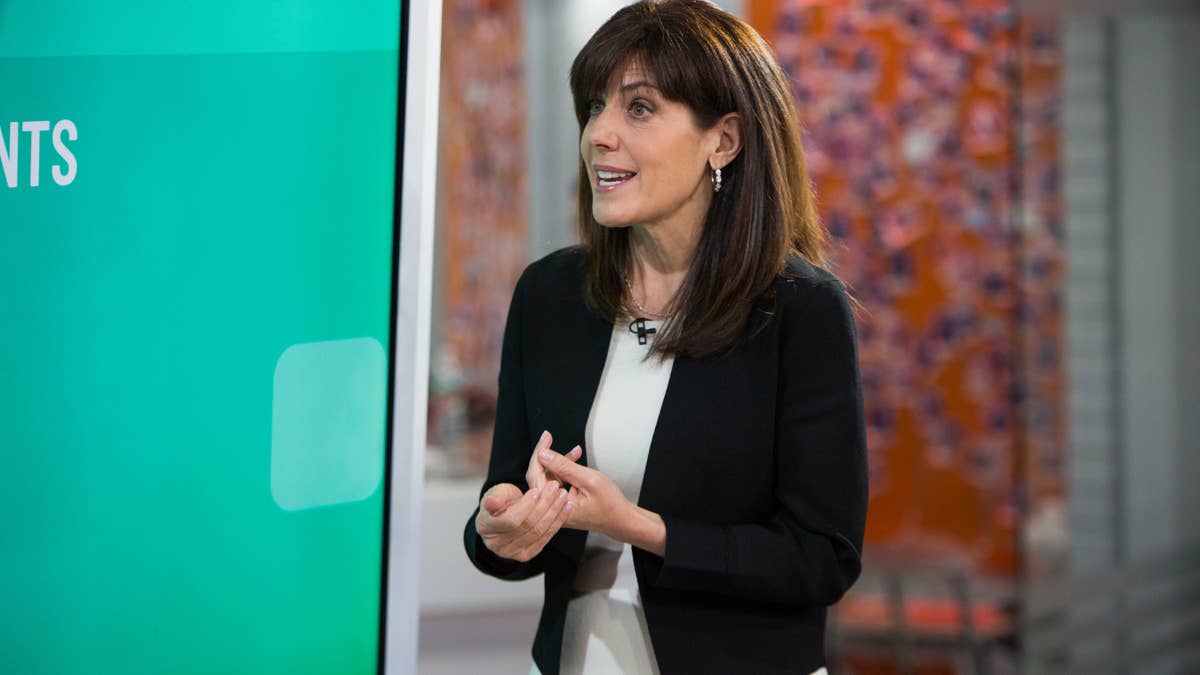
Jean Chatzky, a personal finance author and founder and CEO of HerMoney Media, has long advocated the “five-year rule,” saying it may be better to rent if you don’t want to stay somewhere for at least five years.
Chatzky didn’t invent the concept, but she has promoted the idea since publishing her book “Operation Money” in 2014.
Buying and owning a home has become much more expensive since 2014, though. Home prices and mortgage rates are higher. This means the math for the five-year rule might not add up anymore.
Chatzky recently revisited the five-year rule idea in a podcast interview.
Chatzky suggests 6 or 7 years may be a better home-buying timeline
While Chatzky has not formally disavowed the five-year rule, she did mention expanding the timeline in an Aug. 28 episode of Hala Taha’s podcast Young and Profiting (YAP).
“If you’re not going to be someplace for five years, I don’t think you should buy,” Chatzky told Taha. “The cost of buying is just too steep.”
Mortgage rates in particular are making potential homebuyers nervous. The average 30-year fixed mortgage rate reached 7.28% on Oct. 1, according to Freddie Mac data, its highest point in almost three years.
Read more: Jean Chatzky has strong new warning on 401(k), IRA danger
“I don’t think that mortgage rates at this level should stop people who want to be in a place for six, seven years and more,” she continued. “You’ll eventually, hopefully, get an opportunity to refi that loan.”
Chatzky’s saying that if you stay in a home for several years, mortgage rates will likely decrease during that time, and you can refinance into a more affordable rate.
Chatzky isn’t abandoning the five-year rule, but her comments suggest that today’s buyers may want to think beyond five years when evaluating whether buying makes financial sense.
Zillow puts the typical break-even point at 6.2 years
Zillow research supports Chatzky’s claim that buying a house could take six years or longer to break even financially.
An August analysis from the real-estate technology company found that the typical American household needs 6.2 years to break even after buying a single-family home compared to renting. And that’s assuming they can make a 20% down payment — which many buyers cannot afford.
“The common wisdom is that saving early to buy a home is the smart financial move, but the reality is more nuanced,” wrote Zillow senior economist Kara Ng. “Buyers should think about not just when they can afford to buy, but how long they’d need to stay before owning makes more financial sense than renting.”
More Housing Market:
- Zillow reports surprising housing market shift
- Redfin says October could be the best time to buy a house
- Lennar delivers harsh reality check for housing market
The break-even timeline depends on where you live, though. According to Zillow’s August research, after buying a single-family home, the typical homeowner took 5.3 years to break even in Las Vegas, 9.5 years in Dallas, and 18.4 years in Seattle.
The timeline shortens if you buy a starter home, which Zillow defines as “the average home in the lowest third of home values in a given region.”
By opting for a starter home, the nationwide break-even timeline shortened to 2.6 years after purchase.
The typical homeowner had to stay in their home for 3.7 years in Nevada, 5.9 years in Dallas, and 13.2 years in Seattle.
Homeownership is a lifestyle choice, not an investment
Some personal finance personalities preach that homeownership is essential for building wealth. Chatzky doesn’t have that mindset, though. She’s open that buying isn’t for everyone, especially if you don’t plan to stay in one place for very long.
“There are some cases where renting is just better,” she told Taha.
But if you do plan to stay in the home for a long time, buying a house and building equity can be a great way to build the kind of life you want. Your home equity becomes a financial cushion.
“And you can use that cushion to supplement your standard of living,” Chatzky said. “You can use it to pay for long-term care. You can use it to keep a roof over your head. You can use it to sell and move to Costa Rica. You have choices because you have this additional cushion.”
The bottom line? If you’re buying a primary residence, try not to think of it as an investment. Think of it as a lifestyle choice. If buying fits your timeline and life goals, then it could be the right move.
That doesn’t mean a home can’t help you build wealth. It means your primary residence doesn’t have to be evaluated like a stock or other investment.
Related: Chase now offers up to 1% off mortgage rates to more customers