Delta Air Lines (DAL) handed Wall Street a rare disappointment on Oct. 9. The carrier missed analyst estimates for the first time in two years. It also cut its full-year profit outlook as fuel costs kept climbing.
Jim Cramer saw something very different beneath the headline. “Delta’s putting up incredible numbers, to the point where they’re able to offset a huge chunk of the increase in fuel costs,” the “Mad Money” host said. “Once the price of crude comes back down, I think they’ll make out like bandits,” he added, as reported by CNBC.
Also read: Jim Cramer spots something investors may be missing on Wall Street
A miss driven by the fuel bill
Delta earned an adjusted $1.72 a share in the September quarter. The bigger problem is the year as a whole. The airline now expects to absorb about $6 billion in extra fuel costs, roughly a 60% jump in its total fuel bill compared with last year. Fuel alone came in more than $500 million above what the company had forecast for the quarter, according to The Motley Fool.
That pressure forced a steep reset of the outlook. Delta now sees full-year adjusted earnings of $5.10 to $5.60 a share. That is down from the $6.50 to $7.50 range it offered in July, as soaring fuel expenses offset gains from strong revenue, as reported by Quartz.
The war with Iran sits at the root of the problem. Jet fuel prices more than doubled after the conflict began. Delta responded back in April by trimming flights at off-peak times, such as redeyes and midweek trips, to keep its planes fuller.
Investors flinched at first, and the stock slipped in premarket trading after the report. Fourth-quarter guidance also landed below analyst estimates. CEO Ed Bastian pushed back on the gloom, saying “the consumer response continues to be quite strong” as travelers keep booking despite higher fares.
Why Cramer sees a more resilient Delta
Cramer zeroed in on the detail that got lost in the headline numbers. Delta held its profit roughly steady even as its costs surged. “That’s incredible,” he said. “Delta’s been able to generate enough additional revenue to offset most of the damage,” as reported by CNBC.
The company’s own numbers back him up. Chief Financial Officer Erik Snell told analysts that pretax profit of $1.5 billion was in line with last year. That came even though the quarter carried $1.6 billion in higher fuel costs. Delta still expects about $4.5 billion in pretax profit for the full year, according to The Motley Fool.
Higher fares were expected to do much of that work. Delta began raising prices in March. Analysts looked for the payoff to show up in the third quarter, since most of those tickets were bought after the increases took hold.
The rest of the industry has been charging more, too. Airfares were up sharply, 26.7% from a year earlier by May, according to Bureau of Labor Statistics data. Bank of America said in July that it saw “a constructive setup” for airline earnings while lifting its price target on Delta.
Premium cabins and Amex do the heavy lifting
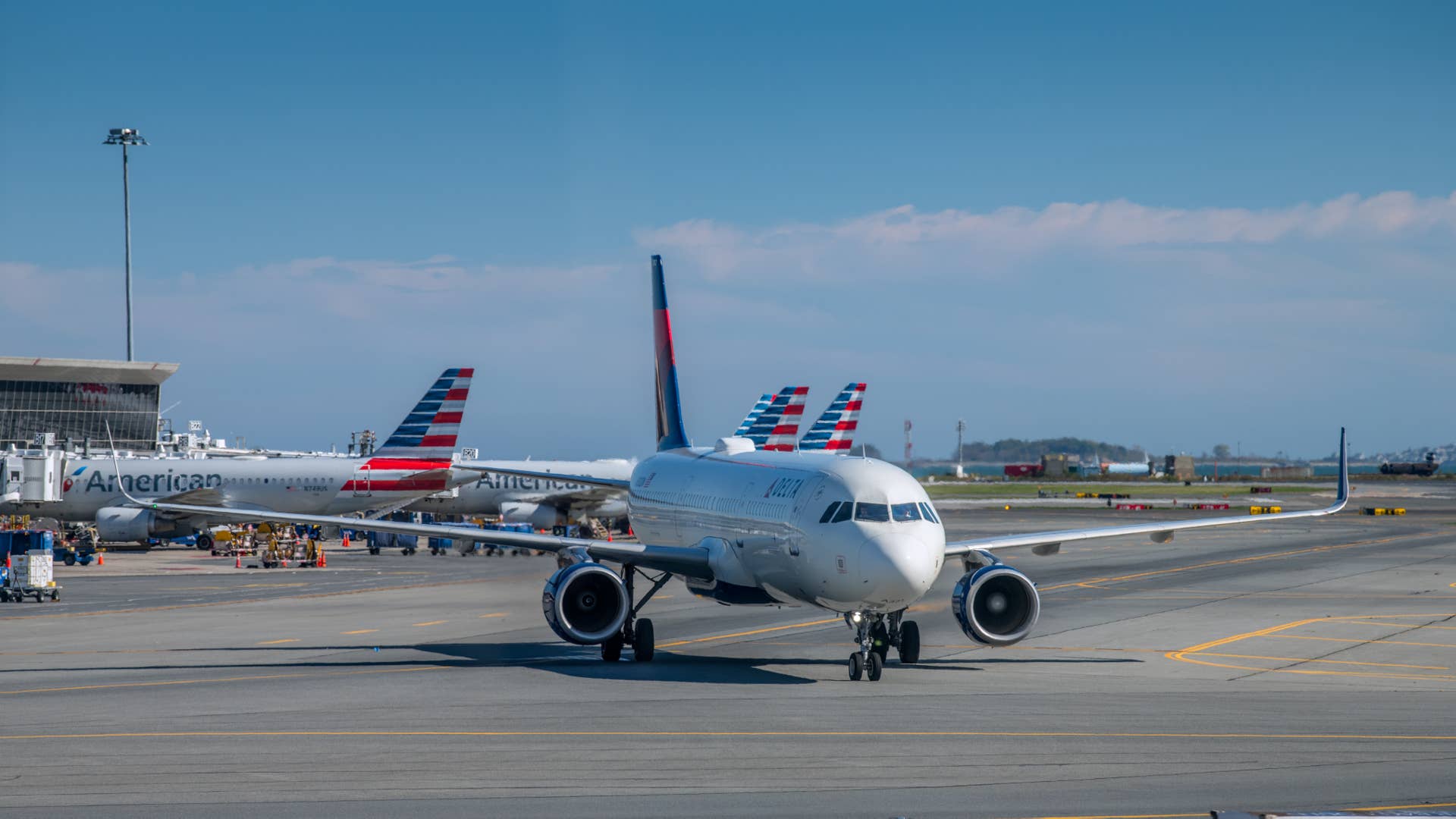
Premium travel was the clear bright spot. Revenue from premium seating jumped 18%. Delta filled a bigger share of those seats while charging more for them. “Delta added premium capacity, filled more of it and charged more, too,” Cramer said.
That shift is deliberate. Delta has been chasing revenue per customer rather than simply adding passengers. Bastian said there is “nothing to be gained by trying to grow” in a high-cost environment where budget rivals are struggling. Chief Commercial Officer Joe Esposito noted that ultra-low-cost carriers have cut capacity by about 30% across the industry.
More Jim Cramer:
- Jim Cramer says Scott Bessent is fighting a flood with one finger
- Jim Cramer sends strong warning to stock market investors
- Jim Cramer calls one major data center play a no-brainer buy
The loyalty business adds another cushion. Revenue from the American Express partnership rose 15% in the quarter. Delta expects the card deal to bring in more than $9 billion this year. Bastian said the partnership is on its way to $10 billion, according to The Motley Fool.
For Cramer, these trends support his view that Delta is evolving beyond a traditionally cyclical airline. He sees it becoming a more durable business built on loyal customers and premium products. Premium and other diversified sources already made up 61% of Delta’s adjusted operating revenue in the September quarter.
Even supporters of that idea add a caveat. “Delta is not a safe stock. No airline is,” as fuel, labor and consumer spending still drive results.
Waiting on oil to come down
Cramer believes lower fuel prices will be the major catalyst for Delta. The airline has been raising fares to cover higher costs and meeting little resistance. “Once the war with Iran ends, or at least fizzles to the point that oil can come down, this airline will be printing money,” he said.
Delta isn’t simply waiting on oil, though. Over the summer it raised checked bag fees by $10 and rolled out “Basic” fares in its premium cabins. Bastian has argued that customers are “becoming more immune to the headlines” and still spending on travel.
Still, Cramer isn’t rushing to buy airline stocks while fuel prices stay elevated. He remains upbeat about Delta’s longer-term prospects. Delta expects fourth-quarter revenue to rise about 20%, and its own refinery in Pennsylvania gives it a cost edge over rivals. For long-term investors, that is the kind of setup that could reward patience once oil finally cools.
Related: Jim Cramer just made a shocking call on Amazon stock